256 Mall links Ugandan farmers to buyers nationwide in online shift for farm trade
Full report
256 Mall, a new digital marketplace created by 256 AI System, is linking Ugandan farmers directly to buyers across the country in a push that could change how fresh produce, livestock and other farm goods are traded. The platform allows farmers to list products online and have orders delivered fresh from farms to customers in all 146 districts.
The company says 256 Mall currently hosts more than 10,000 products from over 500 verified sellers, with an ambition to reach more than five million Ugandans within five years. Its growth plan places agriculture at the centre of a broader online retail model that also carries non-farm goods, from electronics to fashion and beauty products.
The agricultural offering includes matooke, coffee, avocado, vegetables and livestock, categories that are central to household consumption and rural income in Uganda. Instead of relying only on the nearest trading centre or a chain of brokers, a farmer can publish a listing for buyers in Kampala, Gulu or any other district to see.
“We’re giving farmers a national storefront,” a 256 AI System representative said. “A coffee farmer in Mbale or a matooke grower in Mbarara can now sell to Kampala, Gulu, or any district without leaving the farm.”
That promise speaks to a familiar problem in Ugandan agribusiness. Many farmers sell through middlemen or at physical markets, where prices can shift quickly and produce may lose value before it reaches a final buyer.
Perishable goods are especially exposed to delays, weak bargaining power and uneven information about demand in other areas. When farmers cannot easily compare buyers or reach larger markets, they may accept lower prices simply to avoid spoilage or the cost of holding stock.
256 Mall is presenting its marketplace as a way to reduce those pressures by cutting out some intermediaries and connecting verified sellers straight to consumers. The company says it handles delivery logistics and supports digital payment, two points that matter in an online farm trade where trust and reliability are often decisive.
Buyers on the platform can browse thousands of listings and pay through MTN MoMo or Airtel Money. Those mobile money services are widely used in rural areas, making them an important bridge between farm sellers and customers who may not use formal banking channels for daily purchases.
The payment design also matters for farmers, because digital settlement can reduce disputes over cash handling and make transactions easier to trace. The company says verified sellers receive payment digitally, a feature intended to strengthen confidence on both sides of the transaction.
Trust has long been a barrier to online commerce in goods that vary in quality, quantity and freshness. In farm trade, a buyer wants assurance that the matooke, vegetables, coffee or livestock advertised are genuine, while the seller needs confidence that an order will be paid for.
According to the brief on the service, 256 Mall seeks to manage that risk by verifying sellers and taking charge of delivery from farms to customers. Details of the verification process, delivery timelines, charges and dispute resolution procedures were not immediately available.
Even with those unanswered questions, the scale claimed by the platform is notable. Serving all 146 districts means a seller in one part of the country can theoretically reach households and businesses far beyond the markets where that farmer would usually trade.
The service is not limited to food. It also lists electronics, fashion and beauty products, including goods from brands such as Samsung, HP, Hisense and Itel, giving the marketplace a broader retail identity beyond agriculture.
But it is the farm produce side that is drawing attention because of Uganda’s dependence on agriculture for rural livelihoods and food supply. If online ordering becomes routine for fresh produce, digital marketplaces could influence not only where consumers shop, but how farmers plan sales and manage harvests.
The company says new deals on food and farm produce are posted every 24 hours. For perishable goods, that pace can create a more active market, allowing sellers to adjust offers and buyers to compare availability without moving through several physical markets.
A faster market can be useful where supply changes from day to day and where transport decisions must be made quickly. A farmer with vegetables ready for sale may benefit from finding a buyer before quality declines, while consumers may gain access to produce sourced directly from farms.
The platform’s pitch also fits into a wider shift in Uganda’s digital economy. Mobile money has already made remote payments ordinary for many households, and rising smartphone use in rural Uganda is creating space for services that depend on online listings, instant communication and digital receipts.
However, digital adoption does not automatically solve the practical difficulties of agricultural trade. Farmers still need connectivity, accurate product information, packaging, transport access and a fair understanding of platform terms before an online listing can translate into dependable income.
Buyers, too, will judge the service by whether deliveries arrive fresh, whether listed prices match final charges and whether complaints are handled clearly. The brief did not specify how 256 Mall manages returns, cancelled orders or disagreements over product quality, all of which are important for repeat use.
For smallholder farmers, the potential upside is wider visibility. A grower whose market was once limited to a village, roadside point or nearby town can use the same digital shelf as bigger sellers, provided the verification and delivery requirements are met.
For consumers, the attraction is convenience and choice. A household can compare farm goods alongside other retail items on one platform, pay by mobile money and wait for delivery rather than physically searching different markets.
The broader question is whether such platforms can move enough volume to affect farm incomes and waste. The notes say analysts believe continued adoption of digital marketplaces may reduce post-harvest losses, stabilize earnings and bring more agricultural trade into the formal economy, but those outcomes will depend on usage, logistics and farmer confidence.
For now, 256 Mall is trying to make farm trade behave more like mainstream e-commerce, where sellers present goods digitally and buyers expect payment, delivery and customer assurance to be built into the service. That is a significant cultural and commercial shift for produce that has traditionally been inspected, bargained over and transported through face-to-face networks.
Its next test will be execution: keeping listings reliable, maintaining fresh deliveries across districts and persuading farmers that a digital storefront can deliver better value than familiar market channels. The company has set an ambitious five-year target, but the pace of adoption will show whether online farm trade can become a normal part of Uganda’s agricultural economy.
Loading debate for this article…
Other publishers covering this story
No additional verified coverage is currently clustered with this report.
More from Voxpopuli 256
Other publications from this publisher — open any story without leaving the article page.
 Kyambogo University Holds Admissions Ceremony as Paidha Campus Expands Access to Higher Education
Voxpopuli 256 · 23 Oct 2026
Kyambogo University Holds Admissions Ceremony as Paidha Campus Expands Access to Higher Education
Voxpopuli 256 · 23 Oct 2026
 Paidha United unveil squad, land Messi from Black Angels ahead of regional league kick-off
Voxpopuli 256 · 23 Oct 2026
Paidha United unveil squad, land Messi from Black Angels ahead of regional league kick-off
Voxpopuli 256 · 23 Oct 2026
 Benard Feni Appointed to Board of Directors of Malaria Free Uganda
Voxpopuli 256 · 23 Oct 2026
Benard Feni Appointed to Board of Directors of Malaria Free Uganda
Voxpopuli 256 · 23 Oct 2026
 Zombo launches Agricultural Trade Show and Coffee Conference 2026
Voxpopuli 256 · 22 Oct 2026
Zombo launches Agricultural Trade Show and Coffee Conference 2026
Voxpopuli 256 · 22 Oct 2026
 Road equipmnt breakdown stalls Apac road works
Voxpopuli 256 · 21 Oct 2026
Road equipmnt breakdown stalls Apac road works
Voxpopuli 256 · 21 Oct 2026
 Unity in Diversity: Florence Nightingale Students Celebrate Uganda's Cultures in Apac
Voxpopuli 256 · 13 Oct 2026
Unity in Diversity: Florence Nightingale Students Celebrate Uganda's Cultures in Apac
Voxpopuli 256 · 13 Oct 2026
 Unity in Diversity: Florence Nightingale Students Celebrate Uganda's Cultures in Apac
Voxpopuli 256 · 13 Oct 2026
Unity in Diversity: Florence Nightingale Students Celebrate Uganda's Cultures in Apac
Voxpopuli 256 · 13 Oct 2026
 Alur Cultural Festival Launches Initiative to Revive Defunct Water Sources in Zombo
Voxpopuli 256 · 5 Oct 2026
Alur Cultural Festival Launches Initiative to Revive Defunct Water Sources in Zombo
Voxpopuli 256 · 5 Oct 2026
 Apac Municipality runs short of PLE examiners
Voxpopuli 256 · 28 Sept 2026
Apac Municipality runs short of PLE examiners
Voxpopuli 256 · 28 Sept 2026
 Hoima ex-combatants leaders under fire over graft
Voxpopuli 256 · 28 Sept 2026
Hoima ex-combatants leaders under fire over graft
Voxpopuli 256 · 28 Sept 2026
 Seven cases, one arrest: Inside Apac's cattle restocking scandal
Voxpopuli 256 · 28 Sept 2026
Seven cases, one arrest: Inside Apac's cattle restocking scandal
Voxpopuli 256 · 28 Sept 2026
 Apac CAO arrested over alleged sleeping on job
Voxpopuli 256 · 15 Sept 2026
Apac CAO arrested over alleged sleeping on job
Voxpopuli 256 · 15 Sept 2026
 Luo unity highlighted ahead of King Oyo’s burial
Voxpopuli 256 · 12 Sept 2026
Luo unity highlighted ahead of King Oyo’s burial
Voxpopuli 256 · 12 Sept 2026
 ESAFF Uganda Launches 6th Cohort of Agroecology School for Journalists and Communicators
Voxpopuli 256 · 11 Sept 2026
ESAFF Uganda Launches 6th Cohort of Agroecology School for Journalists and Communicators
Voxpopuli 256 · 11 Sept 2026
 Mp James Ongu Tarr's 100 days in office: Kwania North feels a new wave of service delivery
Voxpopuli 256 · 3 Sept 2026
Mp James Ongu Tarr's 100 days in office: Kwania North feels a new wave of service delivery
Voxpopuli 256 · 3 Sept 2026
 Alur Cultural Festival Rocks West Nile – Proceeds to Fuel Clean Water Extension for the Community
Voxpopuli 256 · 31 Aug 2026
Alur Cultural Festival Rocks West Nile – Proceeds to Fuel Clean Water Extension for the Community
Voxpopuli 256 · 31 Aug 2026
 Zombo Woman MP restores safe water source, improving health for thousandss
Voxpopuli 256 · 31 Aug 2026
Zombo Woman MP restores safe water source, improving health for thousandss
Voxpopuli 256 · 31 Aug 2026
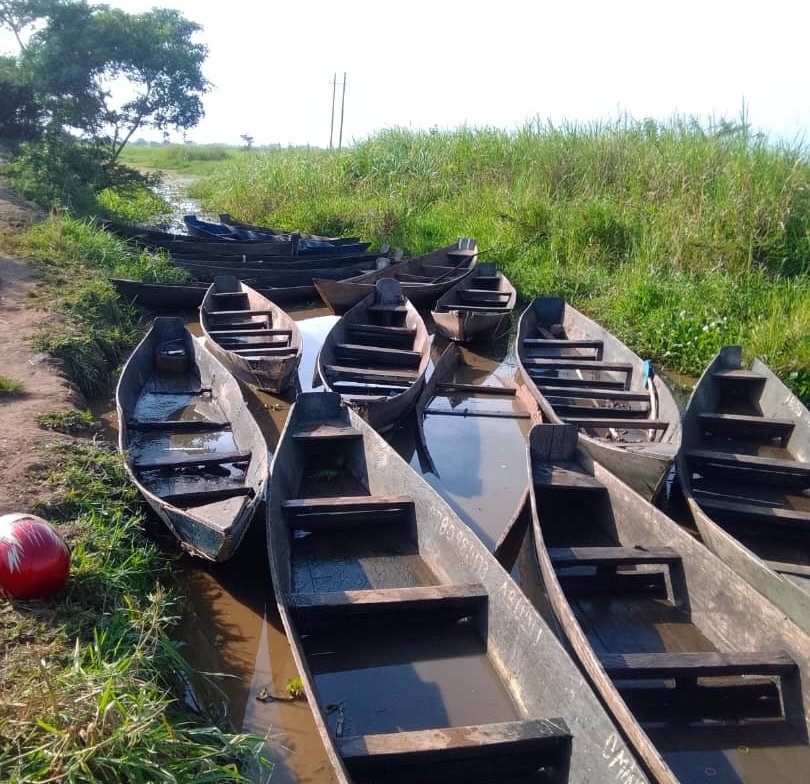 Apac flooded roads become death trap claim more than 50 lives in three years
Voxpopuli 256 · 30 Aug 2026
Apac flooded roads become death trap claim more than 50 lives in three years
Voxpopuli 256 · 30 Aug 2026
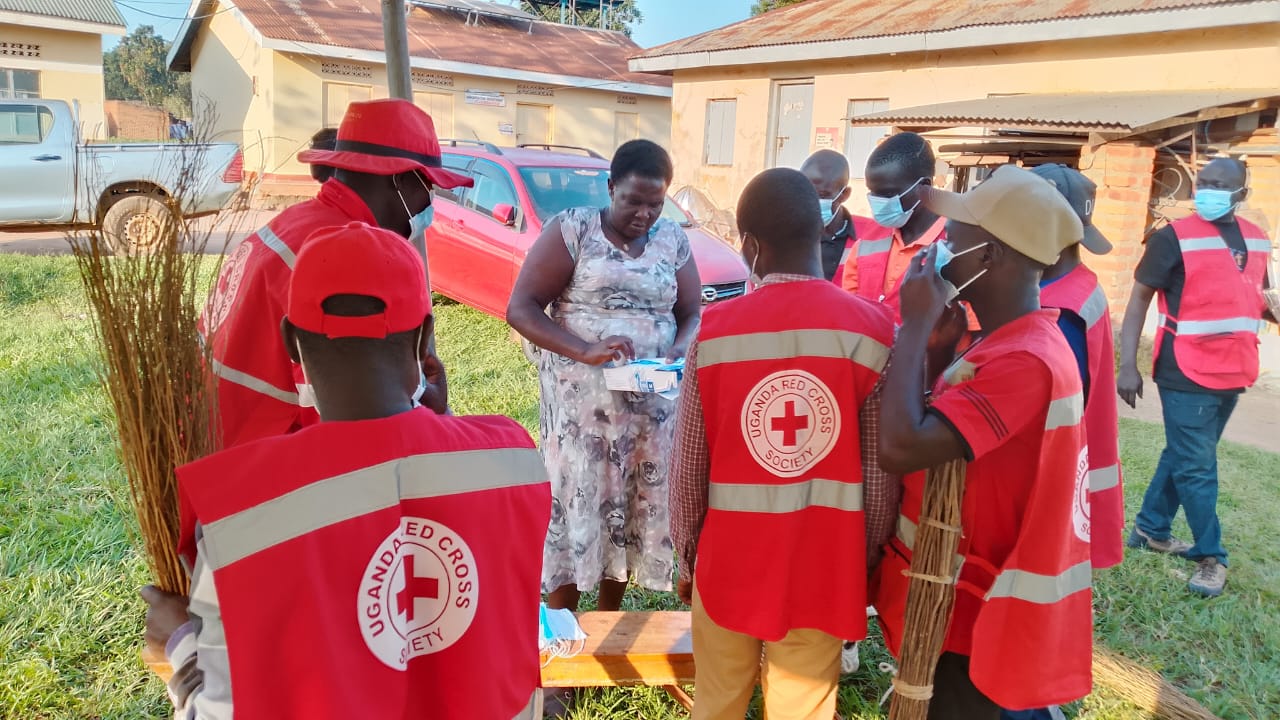 Red Cross, Alur Kingdom, Arsenal Fans Mobilise Community for Cleaning
Voxpopuli 256 · 29 Aug 2026
Red Cross, Alur Kingdom, Arsenal Fans Mobilise Community for Cleaning
Voxpopuli 256 · 29 Aug 2026
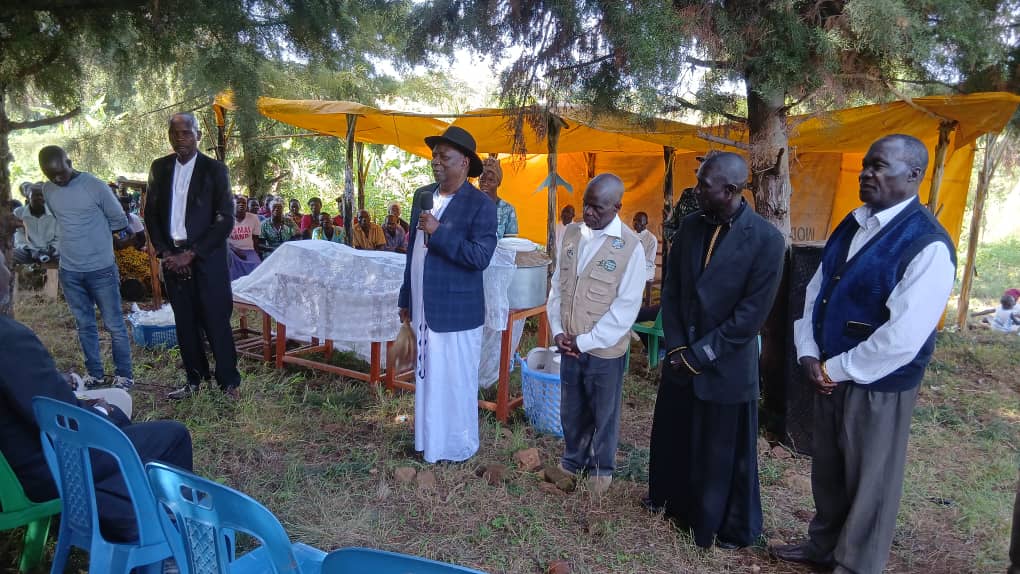 Alur Kingdom to use traditional justice system to help widows and orphans recover grabbed land and property
Voxpopuli 256 · 21 Aug 2026
Alur Kingdom to use traditional justice system to help widows and orphans recover grabbed land and property
Voxpopuli 256 · 21 Aug 2026
 EURO Gold Refinery LTD launches small scale gold mining project in Yumbe
Voxpopuli 256 · 21 Aug 2026
EURO Gold Refinery LTD launches small scale gold mining project in Yumbe
Voxpopuli 256 · 21 Aug 2026
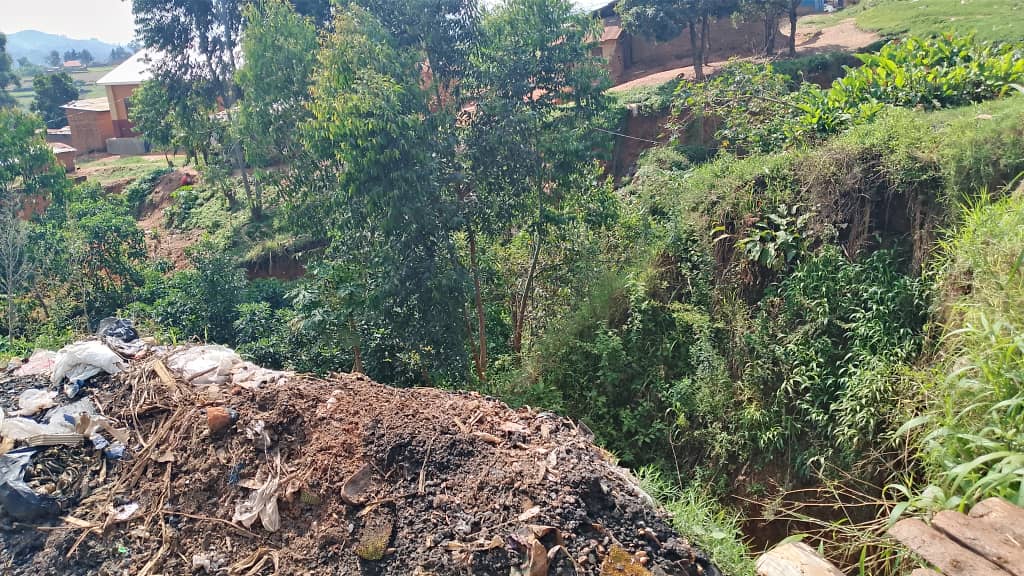 Deep Gully Threatens Zombo’s Multimillion Paidha Central Market amid Escalating Erosion Hazard
Voxpopuli 256 · 18 Aug 2026
Deep Gully Threatens Zombo’s Multimillion Paidha Central Market amid Escalating Erosion Hazard
Voxpopuli 256 · 18 Aug 2026
 Apac top NRM Party leaders banned from handling party funds over corruption
Voxpopuli 256 · 18 Aug 2026
Apac top NRM Party leaders banned from handling party funds over corruption
Voxpopuli 256 · 18 Aug 2026
 Preparations in high gear for the 2026 Race the Nile Adventure Tourism Festival
Voxpopuli 256 · 5 Aug 2026
Preparations in high gear for the 2026 Race the Nile Adventure Tourism Festival
Voxpopuli 256 · 5 Aug 2026
 Alur Kingdom commits to collaborate with govt in a fight against HIV Aids
Voxpopuli 256 · 4 Aug 2026
Alur Kingdom commits to collaborate with govt in a fight against HIV Aids
Voxpopuli 256 · 4 Aug 2026
 Alur Kingdom's Kaal Ayuveni Chiefdom Unveils 2026 Executive Cabinet to Strengthen Leadership
Voxpopuli 256 · 4 Aug 2026
Alur Kingdom's Kaal Ayuveni Chiefdom Unveils 2026 Executive Cabinet to Strengthen Leadership
Voxpopuli 256 · 4 Aug 2026
 Heavy rain sweeps animals, crops and bridges in Zombo
Voxpopuli 256 · 4 Aug 2026
Heavy rain sweeps animals, crops and bridges in Zombo
Voxpopuli 256 · 4 Aug 2026
 Apac school SMC struggling to recover school land sold off by former leaders
Voxpopuli 256 · 3 Aug 2026
Apac school SMC struggling to recover school land sold off by former leaders
Voxpopuli 256 · 3 Aug 2026
 Ex-Combatants to Benefit from Government Skills and Psychosocial Support
Voxpopuli 256 · 31 Jul 2026
Ex-Combatants to Benefit from Government Skills and Psychosocial Support
Voxpopuli 256 · 31 Jul 2026
 Zombo School speaks out on the death of P.3 pupil
Voxpopuli 256 · 31 Jul 2026
Zombo School speaks out on the death of P.3 pupil
Voxpopuli 256 · 31 Jul 2026
 Minister Oleru Calls for Greater Accountability in PDM Implementation
Voxpopuli 256 · 31 Jul 2026
Minister Oleru Calls for Greater Accountability in PDM Implementation
Voxpopuli 256 · 31 Jul 2026
 CEFORD Honors Zombo Headteacher with Director of the Year Award
Voxpopuli 256 · 31 Jul 2026
CEFORD Honors Zombo Headteacher with Director of the Year Award
Voxpopuli 256 · 31 Jul 2026
 UPDF operations in Maruzi Ranch to evict Balaalo draw mixed reactions from the community
Voxpopuli 256 · 27 Jul 2026
UPDF operations in Maruzi Ranch to evict Balaalo draw mixed reactions from the community
Voxpopuli 256 · 27 Jul 2026
 Uganda to be under 4 hour lockdown on Saturday for National Cleaning Day
Voxpopuli 256 · 24 Jul 2026
Uganda to be under 4 hour lockdown on Saturday for National Cleaning Day
Voxpopuli 256 · 24 Jul 2026
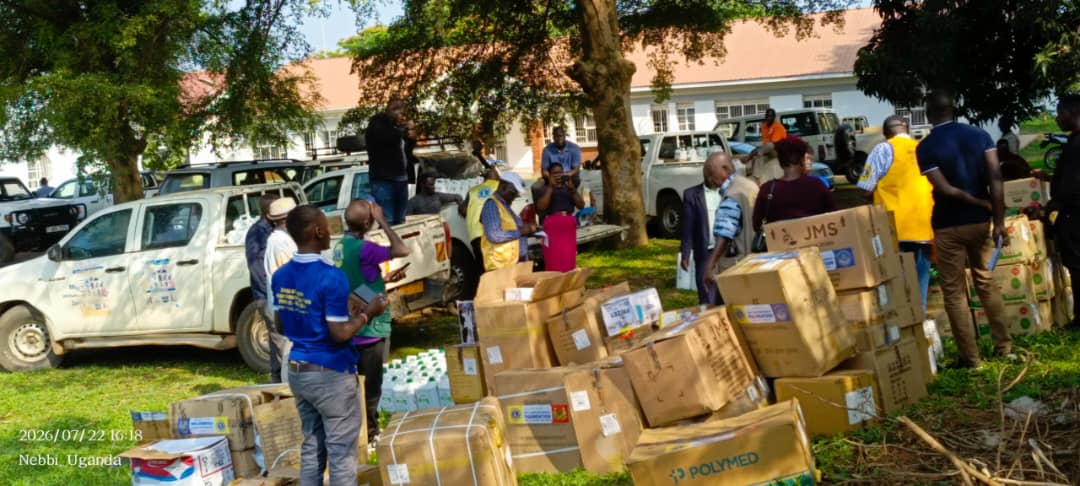 Lions Clubs international Strengthen Uganda, DRC Ebola Response With Protective Equipment
Voxpopuli 256 · 24 Jul 2026
Lions Clubs international Strengthen Uganda, DRC Ebola Response With Protective Equipment
Voxpopuli 256 · 24 Jul 2026
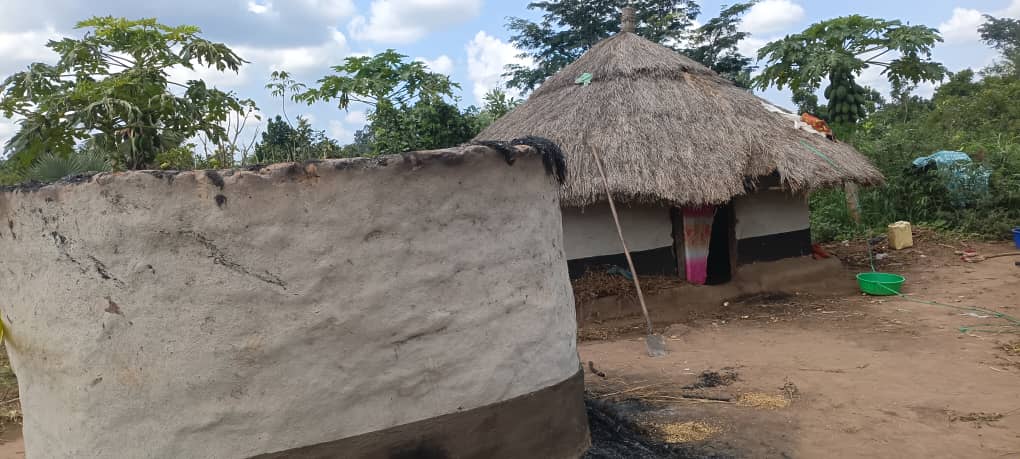 Four held in Oyam as police probe alleged arson
Voxpopuli 256 · 24 Jul 2026
Four held in Oyam as police probe alleged arson
Voxpopuli 256 · 24 Jul 2026
Related reporting
 Kampala Creme Returns for Sesaon 4 With Three New FacesWatchdog Uganda
 BLOG: Kampala on a Rainy Day: The City Carefully Tastes your Patience and your Pockets - ChimpReportsChimpReports
 Reach A Hand Africa premieres ‘Balance the Boat’ docufilmThe Independent Uganda
 Power Blackouts: Is UEDCL seated on a good cache of resources?The Independent Uganda
 Bill to change election of opposition leader gazettedThe Independent Uganda
 Enjuba Spelling Bee Final Set for Saturday as 353 Pupils CompeteNile Post