
Dry spell destroys first-season crops, puts 34,000 Otuke households at risk of hunger
Full report
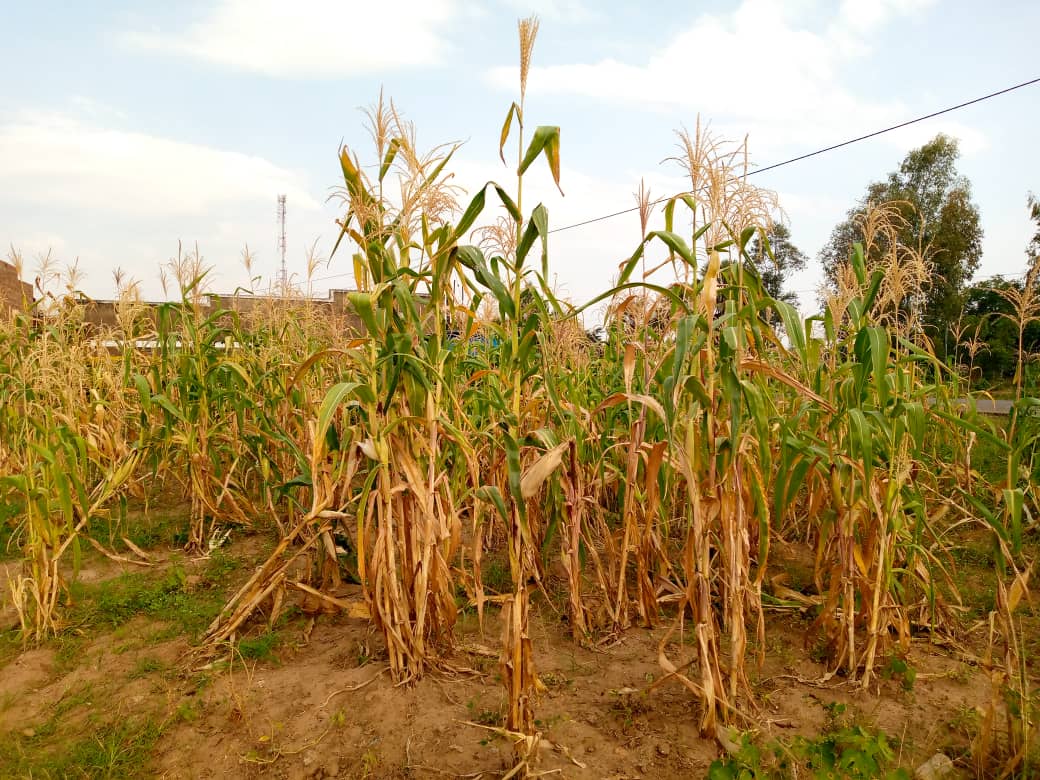
More than 34,000 households in Otuke District are facing the threat of hunger after a prolonged dry spell destroyed crops planted during the first planting season. District leaders say the damage has already been assessed and reported to the Office of the Prime Minister, with a request for relief food for affected families.
The losses follow a season that began with optimism. Farmers in the district received reliable rainfall between early March and April, enough to prepare gardens and plant crops with expectations of a strong harvest. But the rain disappeared in May, just when many crops were about a month away from maturity.
The abrupt change has left families counting losses in fields that had already consumed savings, loans and weeks of labour. Farmers said they spent money on land preparation, seed, planting and weeding, believing that the first season would give them food for their homes and produce for sale.
Now, many say they have neither harvests to depend on nor money to restart in the second season. The dry spell struck at a critical stage of crop growth, when maize, soya beans and other crops needed moisture to fill grain and complete the final stage before harvest.
In Barjobi Sub-county, Alex Ageta said he borrowed from a village savings group and invested Shs700,000 to plant four acres of maize. The crop has since been destroyed, leaving him with debt instead of the income he expected.
“I borrowed money from the village savings and invested in farming with the hope of having a good harvest but all is now gone,” Ageta said.
For smallholder farmers, such losses are not only about the current harvest. A failed season can affect household food supplies, school and medical costs, repayment of local loans and the ability to buy seed for the next planting window. Farmers who depend on the same gardens for food and income often have little room to recover when rain fails at the end of the season.
In Ogor Sub-county, Moses Atebe said he lost 12 acres of soya beans to the dry spell. He had expected the crop to earn him a major return, but said the failure has left him uncertain about how he will continue farming.
“I was hoping that at around this time I would be counting millions of shillings but now I am so worried about the future because I don’t have any money to plant again in the second season,” Atebe said.
The situation is also pushing some households toward immediate food shortages. Agness Ogwang, a farmer in Adwari Sub-county, said she has no food at home and no money to buy supplies from the market. She appealed for government support in the form of both food and seed.
“Currently I don’t have food in the house neither and I also don’t have money to buy food. Government should come in to give us food and seeds,” she said.
Her appeal reflects a wider concern in the district: families that lost crops close to harvest may need help before the next crop cycle can provide any relief. Even if farmers plant again, the second season would require new inputs, labour and favourable weather, all at a time when many affected households say their resources have been exhausted.
Otuke District leaders say they have moved the matter to central government. Patrick Onyek, the Otuke District Principal Assistant Secretary, said the district has assessed the damage caused by the dry spell and notified the government.
“We have already compiled the list of the affected persons and submitted to the government for their action,” Onyek said.
The district’s request to the Office of the Prime Minister is focused on relief food for households affected by the failed first season. The brief from the district did not specify when a response is expected, how much food has been requested or whether seed support has been formally included in the submission.
For now, the pressure remains at household level. Farmers who planted early in the season did so after rain had become steady enough to support planting. The March and April rains raised expectations of a bumper harvest, and many farmers appear to have taken financial risks on that basis.
The collapse of those expectations in May shows the vulnerability of rain-fed agriculture. When farmers rely almost entirely on seasonal rainfall, a short interruption can be managed, but a prolonged dry spell near harvest can erase months of work. By the time crops begin to fail visibly, much of the investment has already been made and cannot be recovered.
The impact can also spread beyond individual farms. When many households in the same district lose food crops at the same time, local food availability can tighten, and families without stored grain or cash become more exposed. The reporter notes did not provide market prices or nutrition data, but affected farmers described an immediate struggle to secure food and planting capital.
An agronomist has urged farmers to adjust their timing in response to recent rainfall patterns. Peter Odongo, an agronomist at Muzuri Agro, said farmers should prepare gardens early and plant as soon as the first-season rains begin, so that crops are less exposed to dry conditions later.
“For the last five years there has been little rainfall in the first season so its important for farmers to prepare their gardens early and plant their crops immediately it rains,” Odongo said.
His advice points to a practical response available to farmers who can mobilise labour and inputs in time. Early land preparation can shorten the period between the first rains and planting, giving crops a better chance of reaching maturity before the rains stop. But the experience of the current season also shows that timing alone may not protect all farmers if the dry spell is severe or if they lack money to plant promptly.
The appeal for intervention therefore has two sides. In the short term, district leaders and affected households are looking to the government for food relief to prevent hunger among families whose harvests failed. In the medium term, farmers are asking for seed and support that can help them return to their gardens instead of abandoning the season entirely.
What happens next will depend on the response from the Office of the Prime Minister and the ability of farmers to prepare for the next rains. The district says it has submitted the list of affected persons, but details on verification, distribution plans and timelines were not immediately available.
For families such as Ageta’s, Atebe’s and Ogwang’s, the waiting period is filled with uncertainty. Their accounts show how quickly a promising season can turn into a food security concern when rain stops at the wrong time. With more than 34,000 households reported to be affected, Otuke’s failed first-season harvest has become not just a farming setback, but a district-level emergency requiring decisions beyond the farm gate.
Loading debate for this article…
Other publishers covering this story
No additional verified coverage is currently clustered with this report.
More from Voxpopuli 256
Other publications from this publisher — open any story without leaving the article page.
 Kyambogo University Holds Admissions Ceremony as Paidha Campus Expands Access to Higher Education
Voxpopuli 256 · 23 Oct 2026
Kyambogo University Holds Admissions Ceremony as Paidha Campus Expands Access to Higher Education
Voxpopuli 256 · 23 Oct 2026
 Paidha United unveil squad, land Messi from Black Angels ahead of regional league kick-off
Voxpopuli 256 · 23 Oct 2026
Paidha United unveil squad, land Messi from Black Angels ahead of regional league kick-off
Voxpopuli 256 · 23 Oct 2026
 Benard Feni Appointed to Board of Directors of Malaria Free Uganda
Voxpopuli 256 · 23 Oct 2026
Benard Feni Appointed to Board of Directors of Malaria Free Uganda
Voxpopuli 256 · 23 Oct 2026
 Zombo launches Agricultural Trade Show and Coffee Conference 2026
Voxpopuli 256 · 22 Oct 2026
Zombo launches Agricultural Trade Show and Coffee Conference 2026
Voxpopuli 256 · 22 Oct 2026
 Road equipmnt breakdown stalls Apac road works
Voxpopuli 256 · 21 Oct 2026
Road equipmnt breakdown stalls Apac road works
Voxpopuli 256 · 21 Oct 2026
 Unity in Diversity: Florence Nightingale Students Celebrate Uganda's Cultures in Apac
Voxpopuli 256 · 13 Oct 2026
Unity in Diversity: Florence Nightingale Students Celebrate Uganda's Cultures in Apac
Voxpopuli 256 · 13 Oct 2026
 Unity in Diversity: Florence Nightingale Students Celebrate Uganda's Cultures in Apac
Voxpopuli 256 · 13 Oct 2026
Unity in Diversity: Florence Nightingale Students Celebrate Uganda's Cultures in Apac
Voxpopuli 256 · 13 Oct 2026
 Alur Cultural Festival Launches Initiative to Revive Defunct Water Sources in Zombo
Voxpopuli 256 · 5 Oct 2026
Alur Cultural Festival Launches Initiative to Revive Defunct Water Sources in Zombo
Voxpopuli 256 · 5 Oct 2026
 Apac Municipality runs short of PLE examiners
Voxpopuli 256 · 28 Sept 2026
Apac Municipality runs short of PLE examiners
Voxpopuli 256 · 28 Sept 2026
 Hoima ex-combatants leaders under fire over graft
Voxpopuli 256 · 28 Sept 2026
Hoima ex-combatants leaders under fire over graft
Voxpopuli 256 · 28 Sept 2026
 Seven cases, one arrest: Inside Apac's cattle restocking scandal
Voxpopuli 256 · 28 Sept 2026
Seven cases, one arrest: Inside Apac's cattle restocking scandal
Voxpopuli 256 · 28 Sept 2026
 Apac CAO arrested over alleged sleeping on job
Voxpopuli 256 · 15 Sept 2026
Apac CAO arrested over alleged sleeping on job
Voxpopuli 256 · 15 Sept 2026
 Luo unity highlighted ahead of King Oyo’s burial
Voxpopuli 256 · 12 Sept 2026
Luo unity highlighted ahead of King Oyo’s burial
Voxpopuli 256 · 12 Sept 2026
 ESAFF Uganda Launches 6th Cohort of Agroecology School for Journalists and Communicators
Voxpopuli 256 · 11 Sept 2026
ESAFF Uganda Launches 6th Cohort of Agroecology School for Journalists and Communicators
Voxpopuli 256 · 11 Sept 2026
 Mp James Ongu Tarr's 100 days in office: Kwania North feels a new wave of service delivery
Voxpopuli 256 · 3 Sept 2026
Mp James Ongu Tarr's 100 days in office: Kwania North feels a new wave of service delivery
Voxpopuli 256 · 3 Sept 2026
 Alur Cultural Festival Rocks West Nile – Proceeds to Fuel Clean Water Extension for the Community
Voxpopuli 256 · 31 Aug 2026
Alur Cultural Festival Rocks West Nile – Proceeds to Fuel Clean Water Extension for the Community
Voxpopuli 256 · 31 Aug 2026
 Zombo Woman MP restores safe water source, improving health for thousandss
Voxpopuli 256 · 31 Aug 2026
Zombo Woman MP restores safe water source, improving health for thousandss
Voxpopuli 256 · 31 Aug 2026
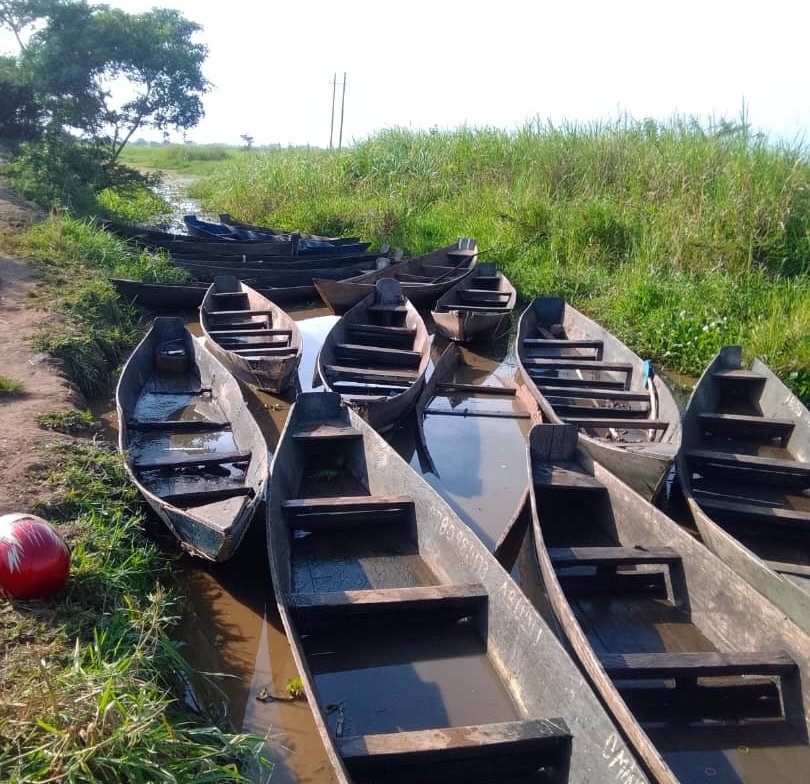 Apac flooded roads become death trap claim more than 50 lives in three years
Voxpopuli 256 · 30 Aug 2026
Apac flooded roads become death trap claim more than 50 lives in three years
Voxpopuli 256 · 30 Aug 2026
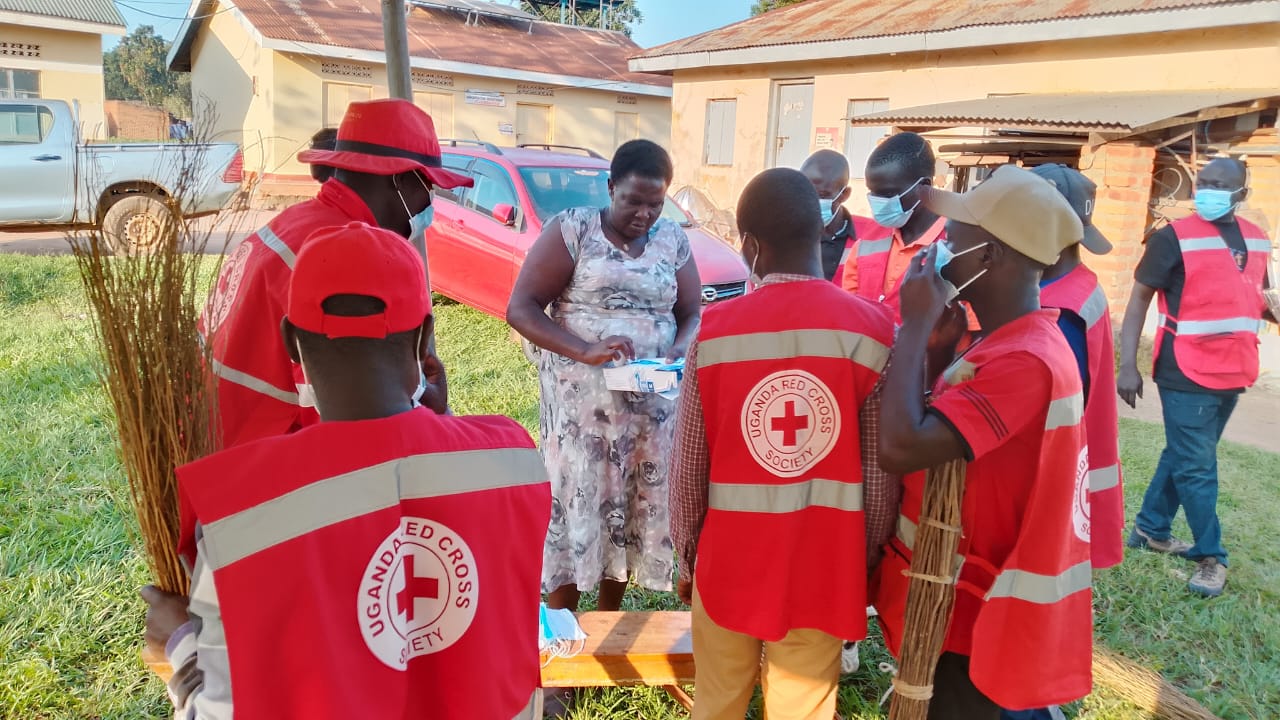 Red Cross, Alur Kingdom, Arsenal Fans Mobilise Community for Cleaning
Voxpopuli 256 · 29 Aug 2026
Red Cross, Alur Kingdom, Arsenal Fans Mobilise Community for Cleaning
Voxpopuli 256 · 29 Aug 2026
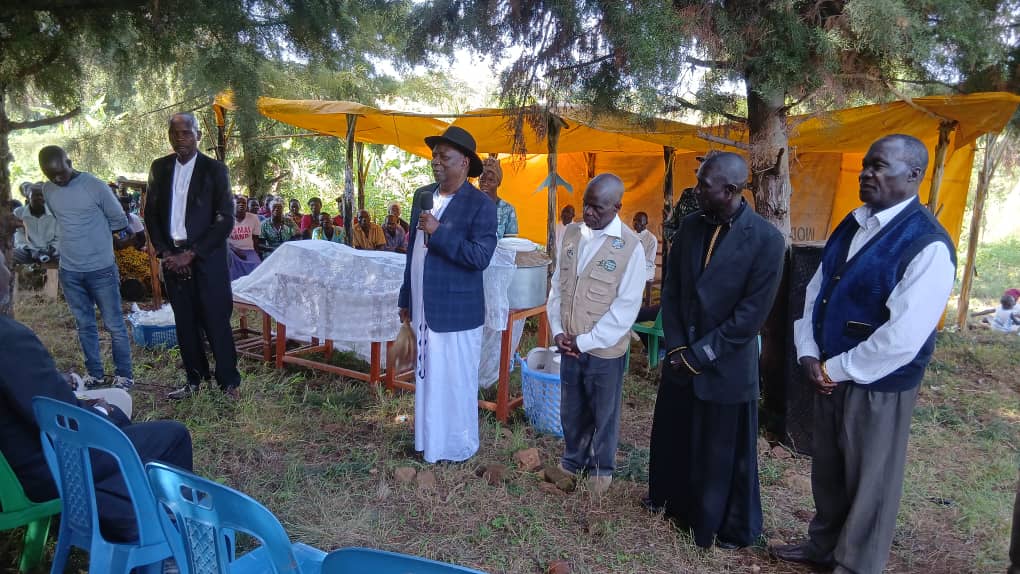 Alur Kingdom to use traditional justice system to help widows and orphans recover grabbed land and property
Voxpopuli 256 · 21 Aug 2026
Alur Kingdom to use traditional justice system to help widows and orphans recover grabbed land and property
Voxpopuli 256 · 21 Aug 2026
 EURO Gold Refinery LTD launches small scale gold mining project in Yumbe
Voxpopuli 256 · 21 Aug 2026
EURO Gold Refinery LTD launches small scale gold mining project in Yumbe
Voxpopuli 256 · 21 Aug 2026
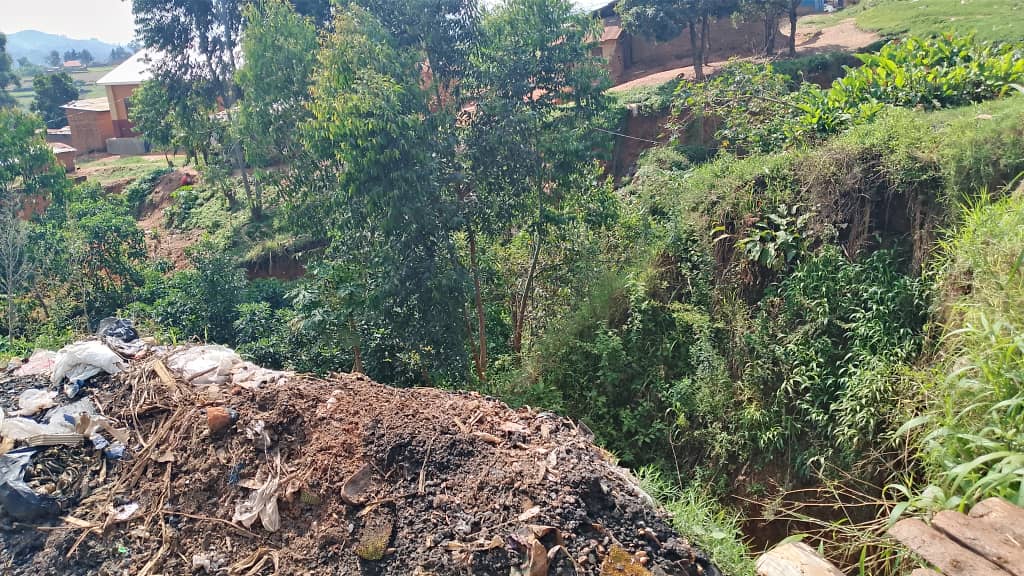 Deep Gully Threatens Zombo’s Multimillion Paidha Central Market amid Escalating Erosion Hazard
Voxpopuli 256 · 18 Aug 2026
Deep Gully Threatens Zombo’s Multimillion Paidha Central Market amid Escalating Erosion Hazard
Voxpopuli 256 · 18 Aug 2026
 Apac top NRM Party leaders banned from handling party funds over corruption
Voxpopuli 256 · 18 Aug 2026
Apac top NRM Party leaders banned from handling party funds over corruption
Voxpopuli 256 · 18 Aug 2026
 Preparations in high gear for the 2026 Race the Nile Adventure Tourism Festival
Voxpopuli 256 · 5 Aug 2026
Preparations in high gear for the 2026 Race the Nile Adventure Tourism Festival
Voxpopuli 256 · 5 Aug 2026
 Alur Kingdom commits to collaborate with govt in a fight against HIV Aids
Voxpopuli 256 · 4 Aug 2026
Alur Kingdom commits to collaborate with govt in a fight against HIV Aids
Voxpopuli 256 · 4 Aug 2026
 Alur Kingdom's Kaal Ayuveni Chiefdom Unveils 2026 Executive Cabinet to Strengthen Leadership
Voxpopuli 256 · 4 Aug 2026
Alur Kingdom's Kaal Ayuveni Chiefdom Unveils 2026 Executive Cabinet to Strengthen Leadership
Voxpopuli 256 · 4 Aug 2026
 Heavy rain sweeps animals, crops and bridges in Zombo
Voxpopuli 256 · 4 Aug 2026
Heavy rain sweeps animals, crops and bridges in Zombo
Voxpopuli 256 · 4 Aug 2026
 Apac school SMC struggling to recover school land sold off by former leaders
Voxpopuli 256 · 3 Aug 2026
Apac school SMC struggling to recover school land sold off by former leaders
Voxpopuli 256 · 3 Aug 2026
 Ex-Combatants to Benefit from Government Skills and Psychosocial Support
Voxpopuli 256 · 31 Jul 2026
Ex-Combatants to Benefit from Government Skills and Psychosocial Support
Voxpopuli 256 · 31 Jul 2026
 Zombo School speaks out on the death of P.3 pupil
Voxpopuli 256 · 31 Jul 2026
Zombo School speaks out on the death of P.3 pupil
Voxpopuli 256 · 31 Jul 2026
 Minister Oleru Calls for Greater Accountability in PDM Implementation
Voxpopuli 256 · 31 Jul 2026
Minister Oleru Calls for Greater Accountability in PDM Implementation
Voxpopuli 256 · 31 Jul 2026
 CEFORD Honors Zombo Headteacher with Director of the Year Award
Voxpopuli 256 · 31 Jul 2026
CEFORD Honors Zombo Headteacher with Director of the Year Award
Voxpopuli 256 · 31 Jul 2026
 UPDF operations in Maruzi Ranch to evict Balaalo draw mixed reactions from the community
Voxpopuli 256 · 27 Jul 2026
UPDF operations in Maruzi Ranch to evict Balaalo draw mixed reactions from the community
Voxpopuli 256 · 27 Jul 2026
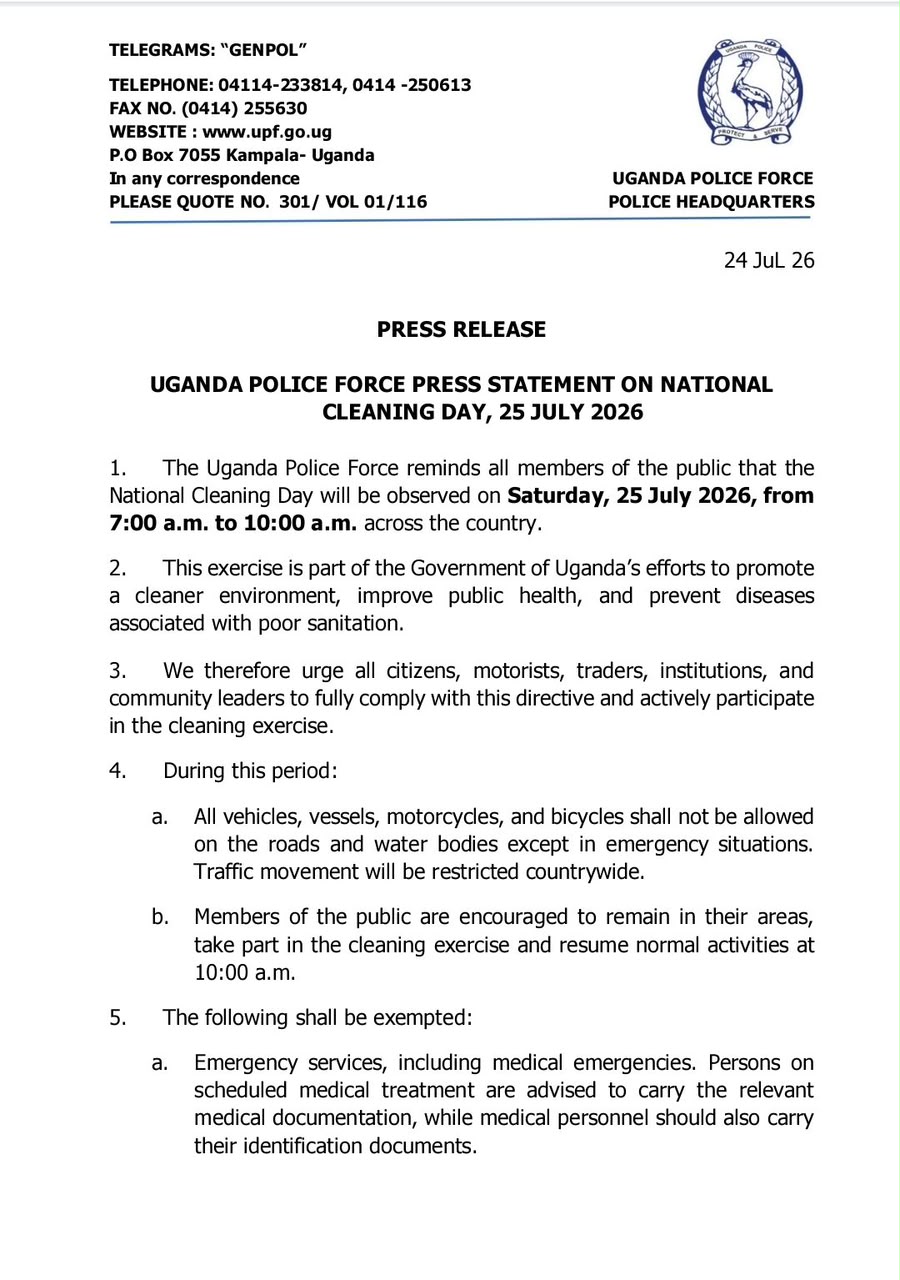 Uganda to be under 4 hour lockdown on Saturday for National Cleaning Day
Voxpopuli 256 · 24 Jul 2026
Uganda to be under 4 hour lockdown on Saturday for National Cleaning Day
Voxpopuli 256 · 24 Jul 2026
 Lions Clubs international Strengthen Uganda, DRC Ebola Response With Protective Equipment
Voxpopuli 256 · 24 Jul 2026
Lions Clubs international Strengthen Uganda, DRC Ebola Response With Protective Equipment
Voxpopuli 256 · 24 Jul 2026
 Four held in Oyam as police probe alleged arson
Voxpopuli 256 · 24 Jul 2026
Four held in Oyam as police probe alleged arson
Voxpopuli 256 · 24 Jul 2026
 Office of Operation Wealth Creation-OWC Delivers 15 Tones of Maize and Soyabeans Seeds to Boost Amolatar Farmers’ Production Capacity.256 Newsroom