
Alur Kingdom commits to collaborate with govt in a fight against HIV Aids
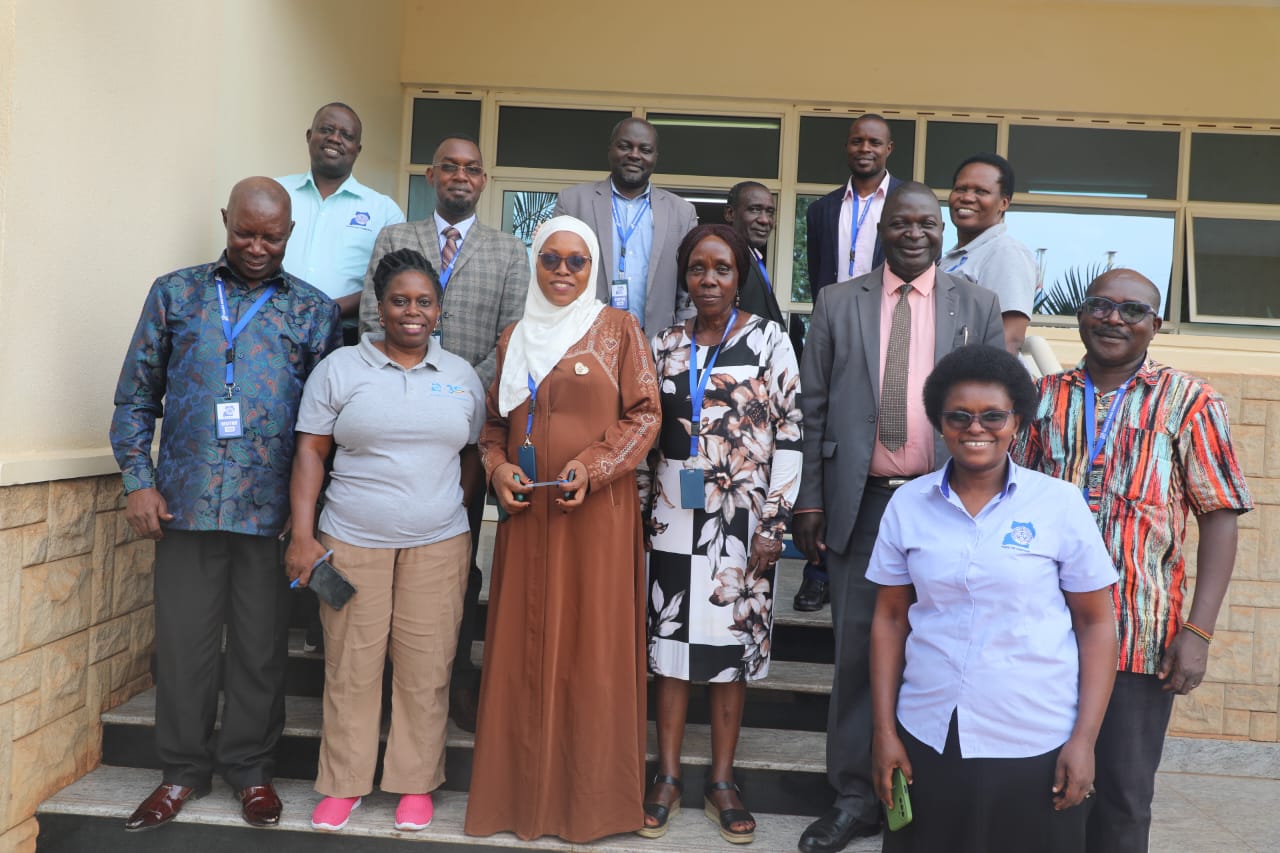
Full report
By Mike Rwothomio
The Alur Kingdom has pledged full support for strengthened collaboration with the Uganda AIDS Commission (UAC) and relevant government ministries to implement targeted HIV and AIDS interventions, aiming to reduce new infections and end AIDS as a public health threat in Uganda by 2030.
This commitment was made on Tuesday August 4, 2026 by the Kingdom’s Prime Minister (Jadipu), Prince Lawrence Opar Angala, who serves as Vice Chairman of the Council of Traditional Leaders in Africa (COTLA) – Uganda Chapter.
Speaking during a one-day workshop organized by the UAC for selected cultural and traditional institutions, Prince Opar Angala welcomed government assurances of robust, holistic support to cultural institutions nationwide for the successful realization of the National HIV and AIDS Action Plan for Cultural Institutions and Traditional Leaders (2024/25–2029/30).
He added that Alur Kingdom faces significant challenges in HIV/AIDS response, particularly among adolescent girls and young women.
These include low awareness and persistent silence around the disease, high sexual activity driven by peer pressure with multiple concurrent partners, widespread unprotected sex, low HIV testing rates due to fear of positive results, ignorance and myths about transmission, poverty and unemployment leading to transactional sex, parental negligence on SRHR discussions, substance abuse, and exposure to pornography in entertainment venues.
“We have high-risk cultural practices that inadvertently increase vulnerability such as multi-day traditional marriage ceremonies (Keny), fishing expeditions (Dwaro nam), ritual piercings (Udec and Rit) with shared instruments, blood brotherhood (Maku rimu), widow inheritance (Lagu) without testing, forced marriages, and large nighttime gatherings which must be regulated,” he said.
These factors, combined with inadequate maternal health practices, contribute to ongoing transmission despite the Kingdom’s strengths.
The Kingdom’s commitment aligns with 11 strategies outlined in 2025 by the Kingdom’s Minister of Health, including Prevention of Underage Marriages, Community Engagement, Economic Empowerment, Support for Government Programs, HIV/AIDS Awareness Campaigns, Promotion of Positive Cultural Practices, Youth Engagement, and Promotion of HIV Testing.
Government Interventions and the National Action Plan
The Uganda AIDS Commission, the statutory body under the Office of the President responsible for leading and coordinating the national multi-sectoral HIV and AIDS response, reaffirmed its dedication to partnering with cultural and traditional institutions.
Representing UAC Director General Dr. Nelson Musoba, Director of Partnerships Mr. Tom Etii highlighted a steady decline in HIV prevalence across most regions and urged cultural leaders to serve as vanguards in implementing the National HIV and AIDS Action Plan specifically tailored for Cultural and Traditional Institutions (2024/25–2029/30).
The five-year plan details a minimum package of HIV and AIDS interventions to be delivered through cultural institutions and traditional leadership structures. Proper execution is expected to significantly curb further transmission of the virus.
Mr. Evaristo Kyalimpa, Senior Culture Officer in the Ministry of Gender, Labour and Social Development, commended the vital grassroots role of cultural institutions and called for full internalization of the Action Plan for effective community-level delivery.
Uganda has taken a monumental step forward in the fight against HIV with the official launch of The National HIV and AIDS Action Plan for Cultural Institutions and Traditional Leaders (2024/2025–2029/2030).
This innovative strategy empowers traditional kingdoms and grassroots leadership structures to lead HIV prevention directly within their communities.
Developed through a powerful partnership between the Uganda AIDS Commission (UAC) and the Ministry of Gender, Labour and Social Development (MGLSD), the multi-sectoral plan recognizes that while biomedical tools are vital, mobilizing cultural systems is key to tackling deep-seated social drivers of the epidemic.
Strategic Pillars include transformative cultural interventions that reform harmful practices while leveraging positive customs; hope-driven communication using approved local-language materials to dispel myths and reduce stigma; accelerating progress toward the 95-95-95 targets and ending AIDS as a public health threat by 2030; and empowering women and girls by addressing socio-cultural vulnerabilities.
Implementation Structure features grassroots execution by kingdoms and chiefdoms, institutional commitment from leaders including COTLA, standardized messaging approved by UAC, national coordination via Self-Coordinating Entities (SCEs), and government oversight by MGLSD.
According to government, the Goal of the Action Plan is to ensure a coordinated, sustained and meaningful contribution to the multi-sectoral HIV response by cultural institutions and traditional leadership structures to end AIDS as a public health threat by 2030 in Uganda.
Its specific objectives are:To enhance access to evidence-informed, culturally appropriate HIV and TB stigma reduction and HIV prevention messages by all age groups.
To promote availability, accessibility, and demand for HIV/AIDS care and treatment services, including SGBV, SRH, ART adherence, and positive living for PLHIV.
To promote social support, protection, and economic empowerment for vulnerable groups to reduce HIV vulnerability.
To build the capacity of cultural and traditional leaders for consolidated implementation.
To strengthen advocacy against socio-cultural beliefs and structural barriers that propagate HIV.
The plan leverages cultural institutions as custodians of culture with strong influence on beliefs and behaviors, enabling them to redefine harmful norms.
It will be implemented through structures such as the Uganda Kings and Cultural Leaders’ Forum, Prime Ministers’ Forum, Elders’ Forums, and clan leaders, with apex bodies like COTLA spearheading efforts.
Both the Ministry and UAC emphasized timely activity reporting and integration with stakeholders including local governments, traditional healers, private practitioners, media, and educational institutions.
COTLA Chairman Mr. Obbo Josel Richard praised the workshop for aligning strategies.
According to Uganda Aids Commission, Regional prevalence includes West Nile at 2.3%, compared to higher areas like South Buganda at 7.5%. Experts say collaborative framework and commitment amongst institutions, signals renewed momentum in Uganda’s journey to end HIV as a public health threat.
National statistics show approximately 1.52 million people living with HIV, 37,000 new infections annually, and AIDS-related deaths reduced to around 20,000 per year, with strong progress toward 95-95-95 targets (94% know their status, 90% on ART, 96% virally suppressed).
Loading debate for this article…
Other publishers covering this story
No additional verified coverage is currently clustered with this report.
More from Voxpopuli 256
Other publications from this publisher — open any story without leaving the article page.
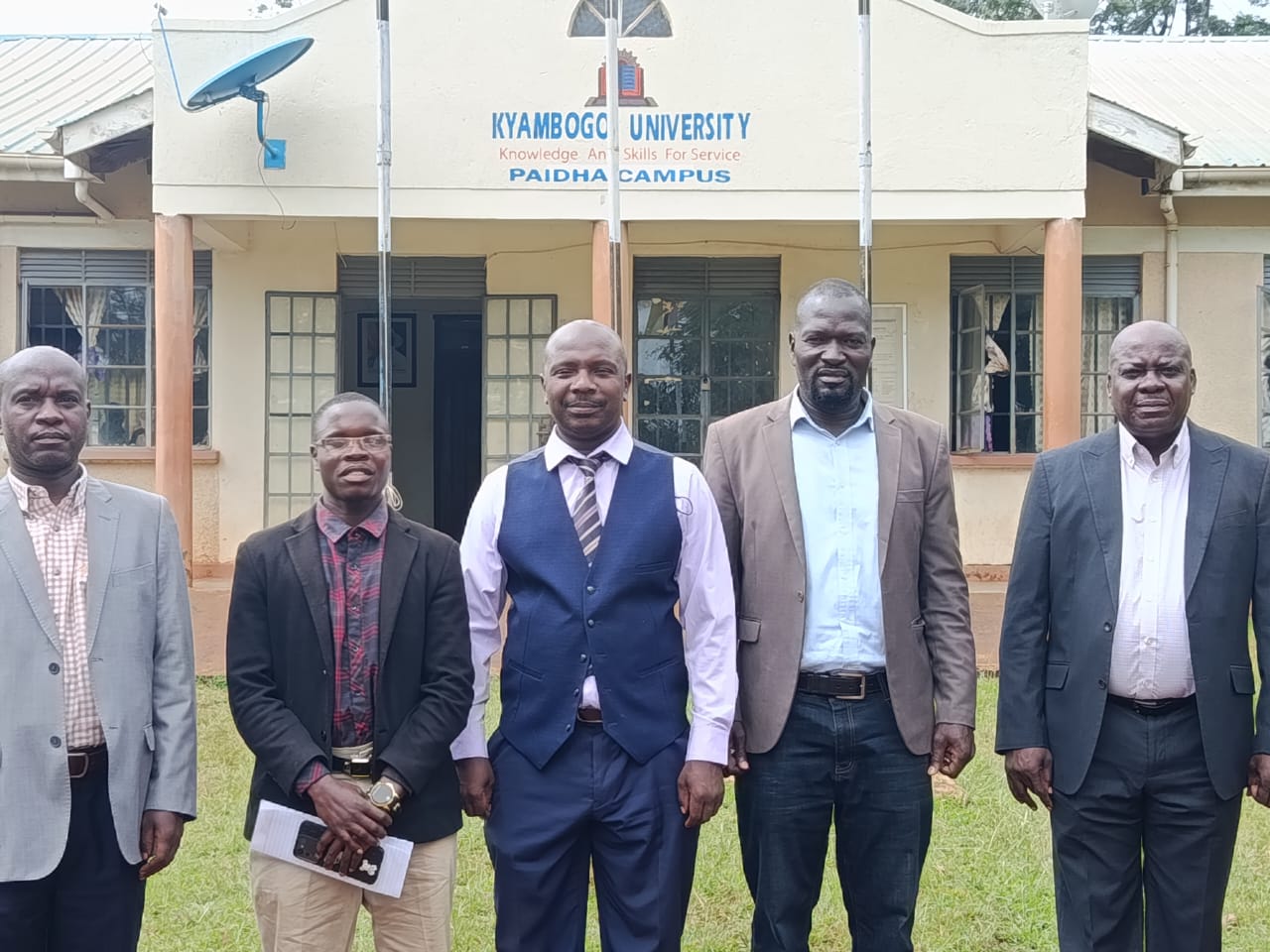 Kyambogo University Holds Admissions Ceremony as Paidha Campus Expands Access to Higher Education
Voxpopuli 256 · 23 Oct 2026
Kyambogo University Holds Admissions Ceremony as Paidha Campus Expands Access to Higher Education
Voxpopuli 256 · 23 Oct 2026
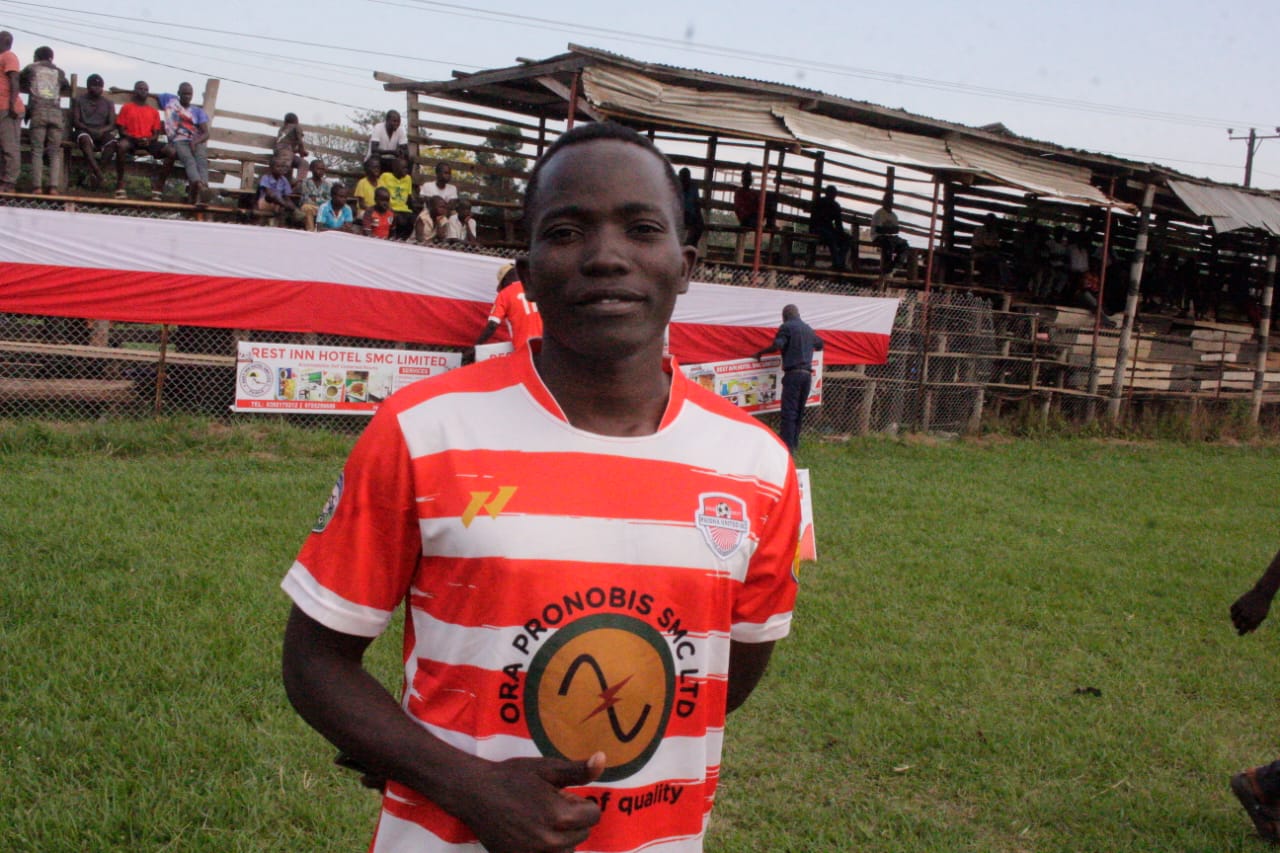 Paidha United unveil squad, land Messi from Black Angels ahead of regional league kick-off
Voxpopuli 256 · 23 Oct 2026
Paidha United unveil squad, land Messi from Black Angels ahead of regional league kick-off
Voxpopuli 256 · 23 Oct 2026
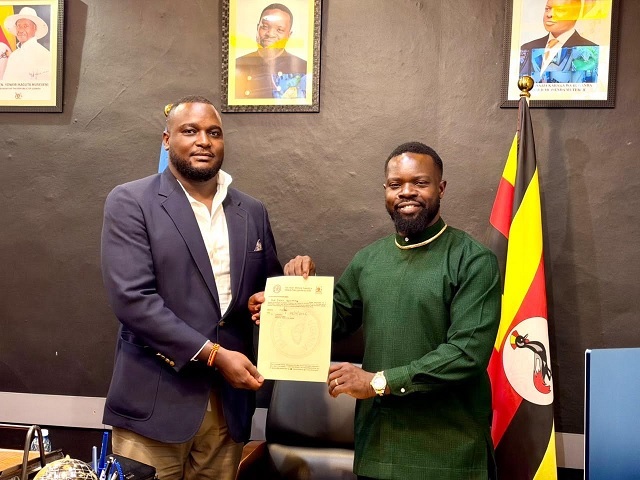 Benard Feni Appointed to Board of Directors of Malaria Free Uganda
Voxpopuli 256 · 23 Oct 2026
Benard Feni Appointed to Board of Directors of Malaria Free Uganda
Voxpopuli 256 · 23 Oct 2026
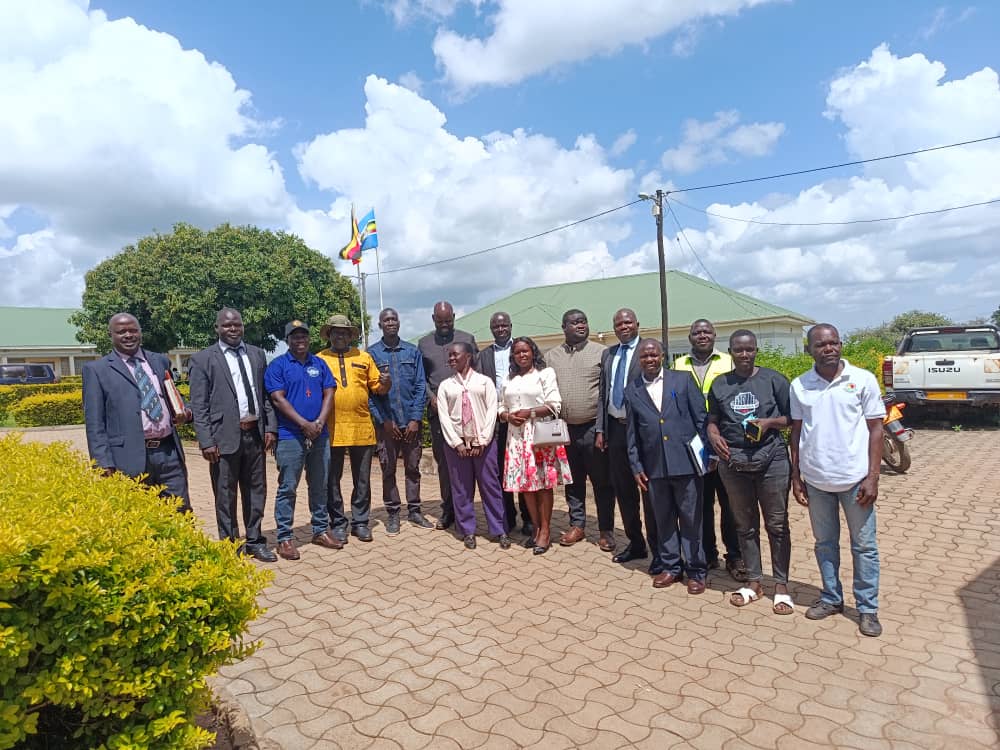 Zombo launches Agricultural Trade Show and Coffee Conference 2026
Voxpopuli 256 · 22 Oct 2026
Zombo launches Agricultural Trade Show and Coffee Conference 2026
Voxpopuli 256 · 22 Oct 2026
 Road equipmnt breakdown stalls Apac road works
Voxpopuli 256 · 21 Oct 2026
Road equipmnt breakdown stalls Apac road works
Voxpopuli 256 · 21 Oct 2026
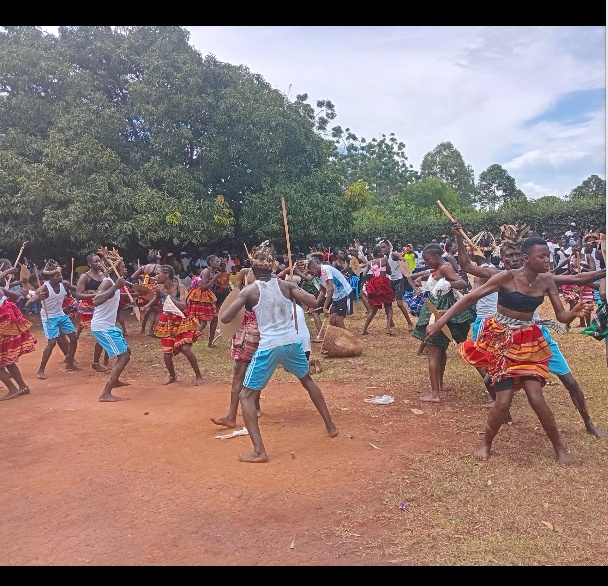 Unity in Diversity: Florence Nightingale Students Celebrate Uganda's Cultures in Apac
Voxpopuli 256 · 13 Oct 2026
Unity in Diversity: Florence Nightingale Students Celebrate Uganda's Cultures in Apac
Voxpopuli 256 · 13 Oct 2026
 Unity in Diversity: Florence Nightingale Students Celebrate Uganda's Cultures in Apac
Voxpopuli 256 · 13 Oct 2026
Unity in Diversity: Florence Nightingale Students Celebrate Uganda's Cultures in Apac
Voxpopuli 256 · 13 Oct 2026
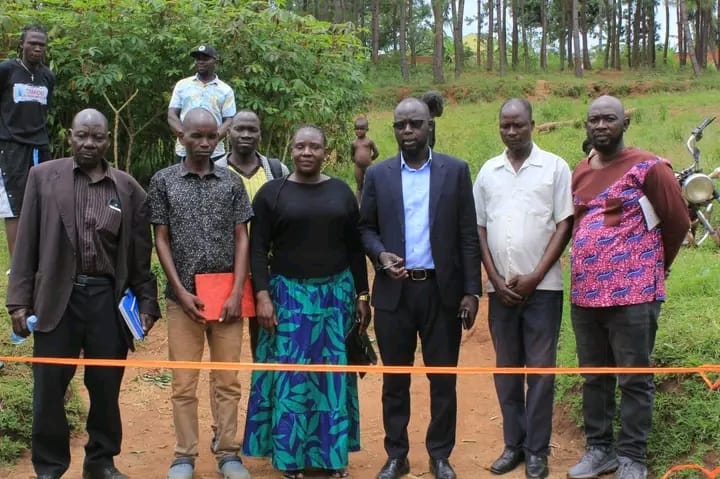 Alur Cultural Festival Launches Initiative to Revive Defunct Water Sources in Zombo
Voxpopuli 256 · 5 Oct 2026
Alur Cultural Festival Launches Initiative to Revive Defunct Water Sources in Zombo
Voxpopuli 256 · 5 Oct 2026
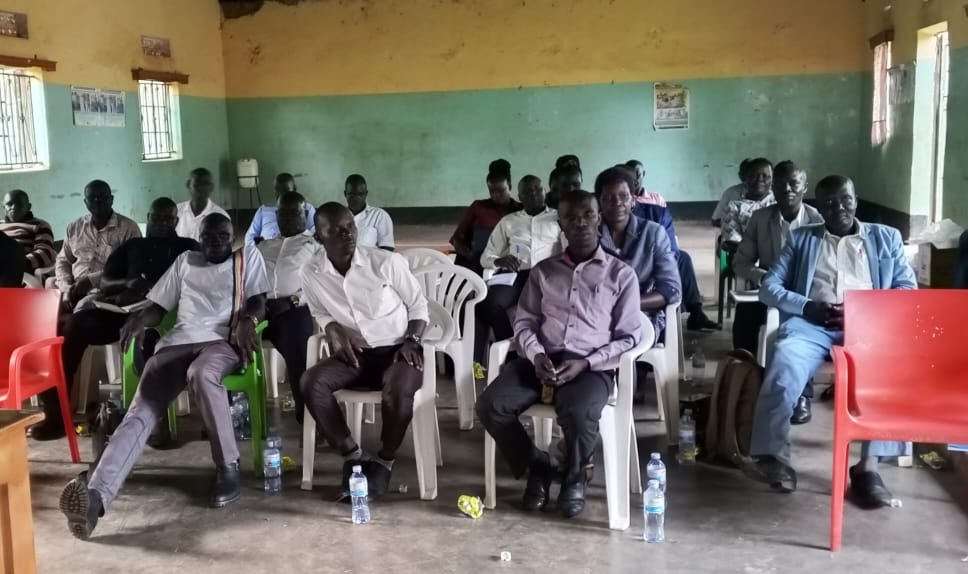 Apac Municipality runs short of PLE examiners
Voxpopuli 256 · 28 Sept 2026
Apac Municipality runs short of PLE examiners
Voxpopuli 256 · 28 Sept 2026
 Hoima ex-combatants leaders under fire over graft
Voxpopuli 256 · 28 Sept 2026
Hoima ex-combatants leaders under fire over graft
Voxpopuli 256 · 28 Sept 2026
 Seven cases, one arrest: Inside Apac's cattle restocking scandal
Voxpopuli 256 · 28 Sept 2026
Seven cases, one arrest: Inside Apac's cattle restocking scandal
Voxpopuli 256 · 28 Sept 2026
 Apac CAO arrested over alleged sleeping on job
Voxpopuli 256 · 15 Sept 2026
Apac CAO arrested over alleged sleeping on job
Voxpopuli 256 · 15 Sept 2026
 Luo unity highlighted ahead of King Oyo’s burial
Voxpopuli 256 · 12 Sept 2026
Luo unity highlighted ahead of King Oyo’s burial
Voxpopuli 256 · 12 Sept 2026
 ESAFF Uganda Launches 6th Cohort of Agroecology School for Journalists and Communicators
Voxpopuli 256 · 11 Sept 2026
ESAFF Uganda Launches 6th Cohort of Agroecology School for Journalists and Communicators
Voxpopuli 256 · 11 Sept 2026
 Mp James Ongu Tarr's 100 days in office: Kwania North feels a new wave of service delivery
Voxpopuli 256 · 3 Sept 2026
Mp James Ongu Tarr's 100 days in office: Kwania North feels a new wave of service delivery
Voxpopuli 256 · 3 Sept 2026
 Alur Cultural Festival Rocks West Nile – Proceeds to Fuel Clean Water Extension for the Community
Voxpopuli 256 · 31 Aug 2026
Alur Cultural Festival Rocks West Nile – Proceeds to Fuel Clean Water Extension for the Community
Voxpopuli 256 · 31 Aug 2026
 Zombo Woman MP restores safe water source, improving health for thousandss
Voxpopuli 256 · 31 Aug 2026
Zombo Woman MP restores safe water source, improving health for thousandss
Voxpopuli 256 · 31 Aug 2026
 Apac flooded roads become death trap claim more than 50 lives in three years
Voxpopuli 256 · 30 Aug 2026
Apac flooded roads become death trap claim more than 50 lives in three years
Voxpopuli 256 · 30 Aug 2026
 Red Cross, Alur Kingdom, Arsenal Fans Mobilise Community for Cleaning
Voxpopuli 256 · 29 Aug 2026
Red Cross, Alur Kingdom, Arsenal Fans Mobilise Community for Cleaning
Voxpopuli 256 · 29 Aug 2026
 Alur Kingdom to use traditional justice system to help widows and orphans recover grabbed land and property
Voxpopuli 256 · 21 Aug 2026
Alur Kingdom to use traditional justice system to help widows and orphans recover grabbed land and property
Voxpopuli 256 · 21 Aug 2026
 EURO Gold Refinery LTD launches small scale gold mining project in Yumbe
Voxpopuli 256 · 21 Aug 2026
EURO Gold Refinery LTD launches small scale gold mining project in Yumbe
Voxpopuli 256 · 21 Aug 2026
 Deep Gully Threatens Zombo’s Multimillion Paidha Central Market amid Escalating Erosion Hazard
Voxpopuli 256 · 18 Aug 2026
Deep Gully Threatens Zombo’s Multimillion Paidha Central Market amid Escalating Erosion Hazard
Voxpopuli 256 · 18 Aug 2026
 Apac top NRM Party leaders banned from handling party funds over corruption
Voxpopuli 256 · 18 Aug 2026
Apac top NRM Party leaders banned from handling party funds over corruption
Voxpopuli 256 · 18 Aug 2026
 Preparations in high gear for the 2026 Race the Nile Adventure Tourism Festival
Voxpopuli 256 · 5 Aug 2026
Preparations in high gear for the 2026 Race the Nile Adventure Tourism Festival
Voxpopuli 256 · 5 Aug 2026
 Alur Kingdom's Kaal Ayuveni Chiefdom Unveils 2026 Executive Cabinet to Strengthen Leadership
Voxpopuli 256 · 4 Aug 2026
Alur Kingdom's Kaal Ayuveni Chiefdom Unveils 2026 Executive Cabinet to Strengthen Leadership
Voxpopuli 256 · 4 Aug 2026
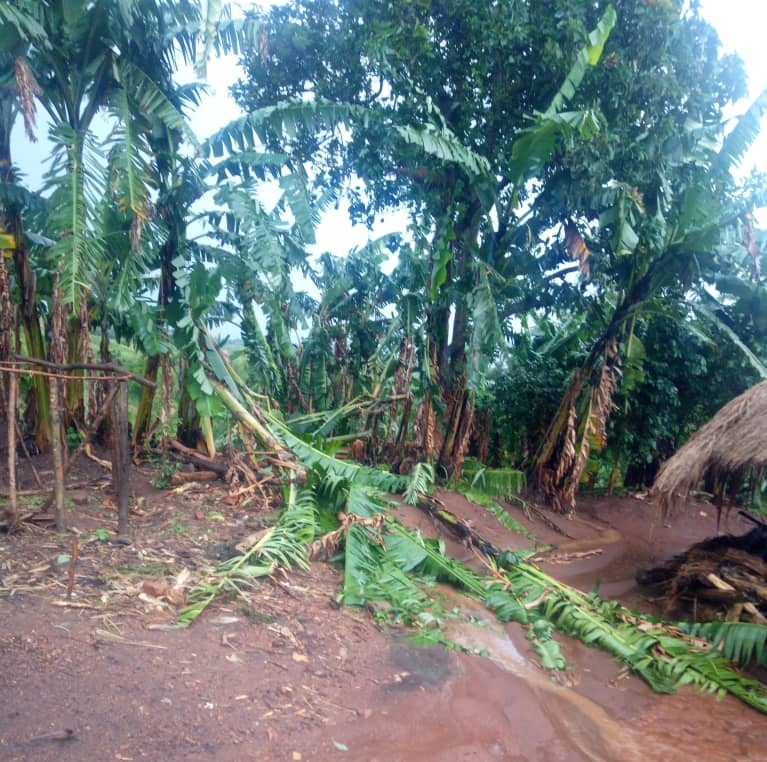 Heavy rain sweeps animals, crops and bridges in Zombo
Voxpopuli 256 · 4 Aug 2026
Heavy rain sweeps animals, crops and bridges in Zombo
Voxpopuli 256 · 4 Aug 2026
 Apac school SMC struggling to recover school land sold off by former leaders
Voxpopuli 256 · 3 Aug 2026
Apac school SMC struggling to recover school land sold off by former leaders
Voxpopuli 256 · 3 Aug 2026
 Ex-Combatants to Benefit from Government Skills and Psychosocial Support
Voxpopuli 256 · 31 Jul 2026
Ex-Combatants to Benefit from Government Skills and Psychosocial Support
Voxpopuli 256 · 31 Jul 2026
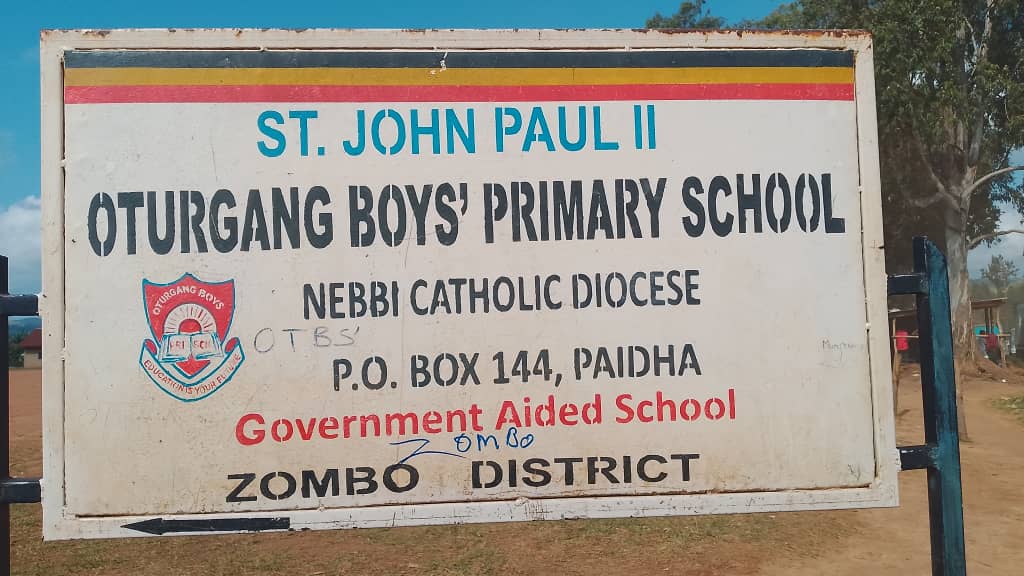 Zombo School speaks out on the death of P.3 pupil
Voxpopuli 256 · 31 Jul 2026
Zombo School speaks out on the death of P.3 pupil
Voxpopuli 256 · 31 Jul 2026
 Minister Oleru Calls for Greater Accountability in PDM Implementation
Voxpopuli 256 · 31 Jul 2026
Minister Oleru Calls for Greater Accountability in PDM Implementation
Voxpopuli 256 · 31 Jul 2026
 CEFORD Honors Zombo Headteacher with Director of the Year Award
Voxpopuli 256 · 31 Jul 2026
CEFORD Honors Zombo Headteacher with Director of the Year Award
Voxpopuli 256 · 31 Jul 2026
 UPDF operations in Maruzi Ranch to evict Balaalo draw mixed reactions from the community
Voxpopuli 256 · 27 Jul 2026
UPDF operations in Maruzi Ranch to evict Balaalo draw mixed reactions from the community
Voxpopuli 256 · 27 Jul 2026
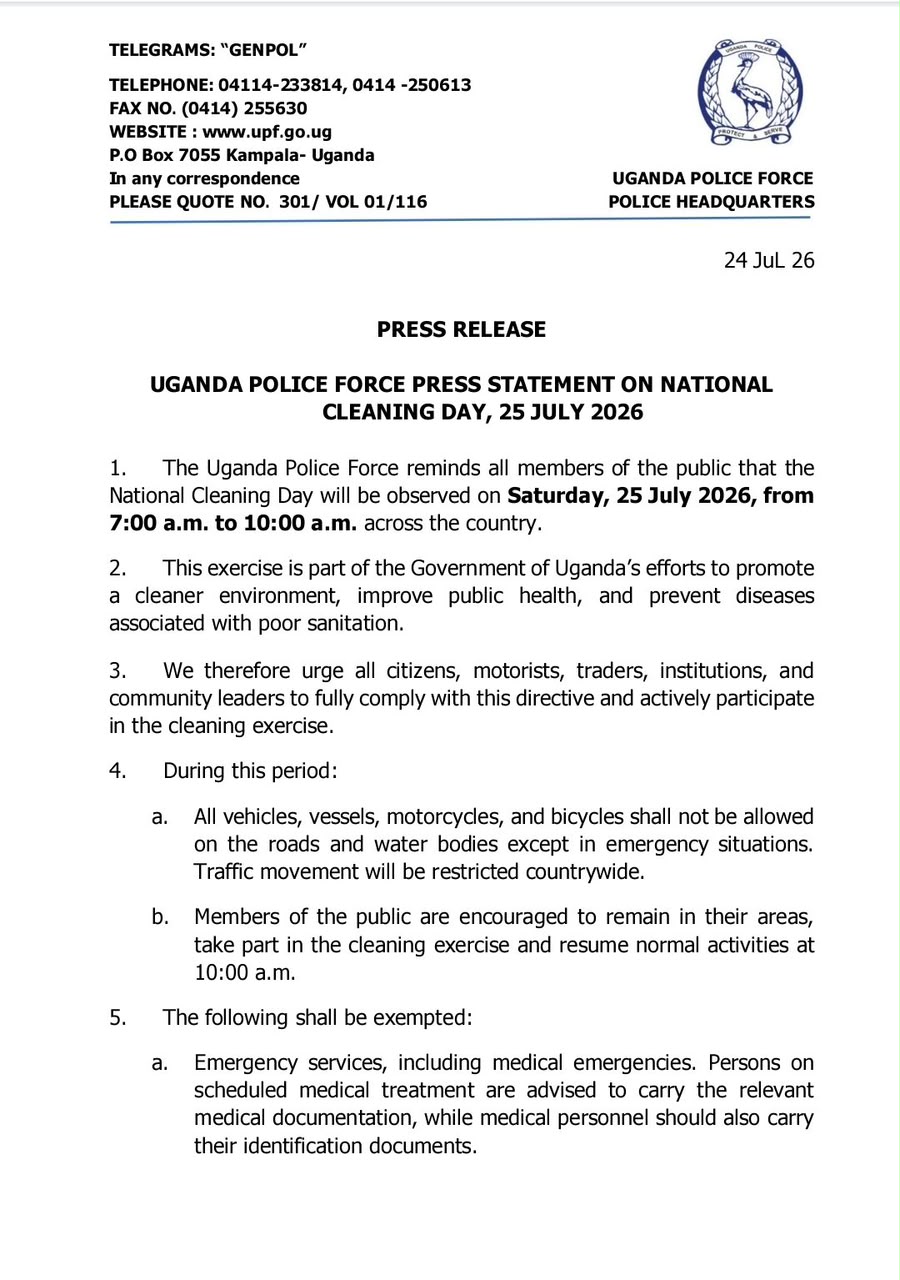 Uganda to be under 4 hour lockdown on Saturday for National Cleaning Day
Voxpopuli 256 · 24 Jul 2026
Uganda to be under 4 hour lockdown on Saturday for National Cleaning Day
Voxpopuli 256 · 24 Jul 2026
 Lions Clubs international Strengthen Uganda, DRC Ebola Response With Protective Equipment
Voxpopuli 256 · 24 Jul 2026
Lions Clubs international Strengthen Uganda, DRC Ebola Response With Protective Equipment
Voxpopuli 256 · 24 Jul 2026
 Four held in Oyam as police probe alleged arson
Voxpopuli 256 · 24 Jul 2026
Four held in Oyam as police probe alleged arson
Voxpopuli 256 · 24 Jul 2026
 Amolatar NRM Party leaders fired over alleged theft of LC1 elections money
Voxpopuli 256 · 24 Jul 2026
Amolatar NRM Party leaders fired over alleged theft of LC1 elections money
Voxpopuli 256 · 24 Jul 2026
Related reporting
No related reports are available yet.