
Why Schools Failed Us and How Real Learning Works

Full report
Jason M. Boyle, PhD
One thing is clear: colonial schools were not implemented to create strong, competent, and independent leaders capable of managing their own societies. In fact, we know the plan was quite the opposite. Yet, when we dive deeper into exactly how the colonial school model was designed and implemented to achieve these goals, the mechanisms are often left vague. I will argue here that colonial models deliberately targeted the destruction of communication and leadership skills, as well as the development of intelligence and critical thinking.
It is important to recognize that this could not have been done by force alone. It required the support, or at a minimum the acquiescence, of the majority. This was achieved by placing emphasis on the credentials of teachers and the knowledge and obedience of students. The colonial school structure was taught in teacher training programs through education departments at universities. These teachers, after learning the colonial doctrine, were released into society as the foremost authorities on learning, trusted to implement what they had been taught without question.
The pedagogy of colonial schools is easy to recognize. Students are separated by age, they sit in rows, they are all taught at the same rate, and the teacher stands in front as the primary source of information and direction while students follow instructions. This model intentionally ignores the development of communication skills. Students have little to discuss with one another and are rarely given time to speak in any formal capacity during class. There is virtually no opportunity for leadership development, because all students are peers by design. There is no meaningful hierarchy, and the small amount that does emerge is resented as favoritism, since each student is supposed to be the same.
More destructive than any of this is the strategic destruction of intelligence. In the standard colonial classroom, knowledge can be gained, but intelligence cannot. To become more intelligent, we must embrace the struggle of understanding. Intellectual development necessarily includes working through confusion. In fact, the only way to become more intelligent is to be confused.
The traditional colonial classroom constructs a utopian fantasy of knowledge acquisition: a teacher delivers content clearly and efficiently, and students comprehend everything that is said. In this model, confusion only arises if the teacher is deficient or the student is delinquent. As a result, confusion is stigmatized. It becomes evidence of failure rather than a necessary step in learning. This not only prevents students from gaining intelligence in the classroom, it teaches them to feel shame when they are confused, ensuring a lifetime of avoiding intellectual struggle altogether.
The solution to undoing this catastrophe is a return to the natural state of learning. If we were to take an average intelligent human, untrained in the dogma of colonial schooling, and give them one hundred children of mixed ages to teach, their instinct would not be to separate them by age and teach each group individually. The natural response would be to identify the strongest and most responsible students and enlist their help. Students capable of independent learning would be given books and time. Any student who mastered a concept would be compelled to teach it to others. Discipline and patience would develop naturally, but so would ambition and opportunity.
In this scenario, learning has purpose. What we learn, we teach. Communication from all students is essential, both to give instruction and to demonstrate comprehension. Leadership becomes a natural part of the learning structure, as capable students are rewarded for taking responsibility. Confusion is expected. Instruction is imperfect. Learning is not clean or linear. Students pursue knowledge by identifying what they need to know and then finding it, either through books or through others.
To many people, this sounds chaotic. That reaction itself is a product of generations of conditioning under the colonial model. This is not chaos; it is natural and productive learning. It does not mean a teacher never stands in front of a classroom. It means that when a teacher does stand in front of the classroom, they direct the conversation toward the most competent students, who then helps facilitate learning for others. If this feels harsh, consider the current model. One teacher speaks to the average student. Slower students are stigmatized. Faster learners are sidelined.
Imagine if we ran a football team this way. Imagine telling our best goal scorers to rest while others catch up. Imagine deliberately passing the ball to the weakest players during a match just to see if they can manage. We would never do this, because we want to win. We push our strongest players harder because we depend on them, and during the game, we give them the ball. That is the winning strategy. The classroom should be no different.
Any competent person with a desire to serve can be a great teacher. A twelve-year-old who is organized and strong in math can and should teach younger students. All students should read aloud to younger students every school day. If a local boda mechanic wants to help, he should mentor students. Parents in business should teach the lessons they learned inside and outside the classroom. Advanced students should be reading articles on post-rainforest soils, soil testing, and case studies in land restoration. School can be a place of self-motivation, creativity, and productivity that prepares students to become competent working professionals.
Not every student needs to learn the same things. For example, we teach chemistry as a surface-level subject to all students, even though most of them never develop any functional intuition for it. A far better approach is to identify the few students who are genuinely drawn to chemistry and give them proper textbooks, time, and mentorship to study it deeply. Chemistry is my favorite subject to teach, but not every student needs to learn chemistry. What we need are chemists, not classrooms full of students who vaguely remember a few terms and formulas they can never use.
When students are allowed to specialize through independent study, we produce a community of specialists capable of real achievement. That will always outperform a system where every student carries the same shallow knowledge with no working capacity. Depth creates competence. Sameness creates mediocrity.
There are, of course, subjects that all students must study seriously. Language and mathematics are non-negotiable. Even here, however, those who excel should be pushed harder, not held back, and they should be expected to teach others. Critical thinking is not learned through exposure to simplified content. It is developed through sustained engagement with difficult material.
Real intellectual work happens at advanced stages of learning, where new ideas are built on top of a mountain of existing knowledge. This is where confusion and frustration become overwhelming, and this is exactly where intellectual and competency growth occurs. A system that avoids this stage in the name of fairness or uniformity is not educating students; it is protecting them from excellence.
In fact, there is no reason to limit education to school-aged children. In Uganda, “youth” includes anyone under the age of thirty, and many of these young adults are ambitious, capable, and ready to learn skills that would dramatically improve their personal lives. If pursued at scale, this kind of learning would also produce a significant economic impact.
Advanced trade programs are essential, but they are not enough on their own. English is the language of money in Uganda and in the global economy. We already have many competent mathematicians and technically capable people who could work in the global economy using the internet if the language skills were in place. In the United States, professional assistants often work using nothing more than an internet connection, and these are well-paying, stable jobs. I think of call centers, tax accountants, legal advisors: all jobs that require competent English-speaking professionals and the internet. There is no reason those gaps in the American economy cannot be filled from here in Uganda.
Uganda’s current push toward skills and competence is exactly the right direction; the remaining challenge is building institutional-level systems that reliably produce those competencies in practice.
Expanding English proficiency alongside technical and trade skills would also make Uganda more accessible and welcoming to missionaries, tourists, and international partners. Language is infrastructure. When people can communicate clearly, opportunity follows. Investing in youth skills beyond the traditional classroom is not charity; it is a practical strategy for economic participation in a connected world.
The right way to begin such a movement is with a pilot program. One that deliberately seeks out durable and ambitious students, along with open-minded, work-ethic-driven teachers and facilitators. What the world needs is a working model that can be replicated. Too often, conversations about decolonizing schools neglect the need for students to become competent self-starters capable of surviving in a rapidly evolving modern economy. By aligning people who already possess the mentality and skills to thrive in this environment, we can refine the model and set a precedent that inspires others.
I strongly feel that Uganda is the perfect place to execute this ambitious plan. The children here are bright-eyed and engaging; they deserve the opportunity. The families are largely open-minded and hopeful, which makes change not only possible, but exciting.
And the direction of the country already supports this. The government has been using unusually direct language about the purpose of education: not just passing exams, but producing skills and competencies for real work. President Museveni has repeatedly framed “real liberation” as skills and has openly pushed skilling programs to close skills gaps and prepare young people for the world of work. The Ministry of Education and Sports has also put “relevant and quality education and training” at the center of its stated objectives, emphasizing relevance, delivery, and effectiveness. And the national “Skilling Uganda” strategy explicitly aims to transform vocational training into a broader system of skills development for employment and productivity, shifting away from a supply-driven model and toward a demand-driven one.
Educational reform does not require endless theory. It requires working models. Learning environments that reward responsibility, treat confusion as productive, cultivate leadership, and value depth over uniformity will always outperform systems built around control and compliance.
Real learning is not something we need to invent.
“Genius is as common as dirt. We suppress it.” — John Taylor Gatto
Dr Jason M Boyle is an American Citizen living in Uganda, he is honoured with a doctorate of Physical Chemistry
Loading debate for this article…
Other publishers covering this story
No additional verified coverage is currently clustered with this report.
More from Voxpopuli 256
Other publications from this publisher — open any story without leaving the article page.
 MDD Made Mandatory for Zombo Schools Next Year
Voxpopuli 256 · 28 Oct 2026
 Hon. Bernard Otim Odoc Boosts 782 PLE Candidates in Maruzi North with Mathematical Sets
Voxpopuli 256 · 26 Oct 2026
 Nebbi Providence Vocational School graduates 289, boosts youth employment opportunities
Voxpopuli 256 · 25 Oct 2026
 Kyambogo University Holds Admissions Ceremony as Paidha Campus Expands Access to Higher Education
Voxpopuli 256 · 23 Oct 2026
 Paidha United unveil squad, land Messi from Black Angels ahead of regional league kick-off
Voxpopuli 256 · 23 Oct 2026
 Benard Feni Appointed to Board of Directors of Malaria Free Uganda
Voxpopuli 256 · 23 Oct 2026
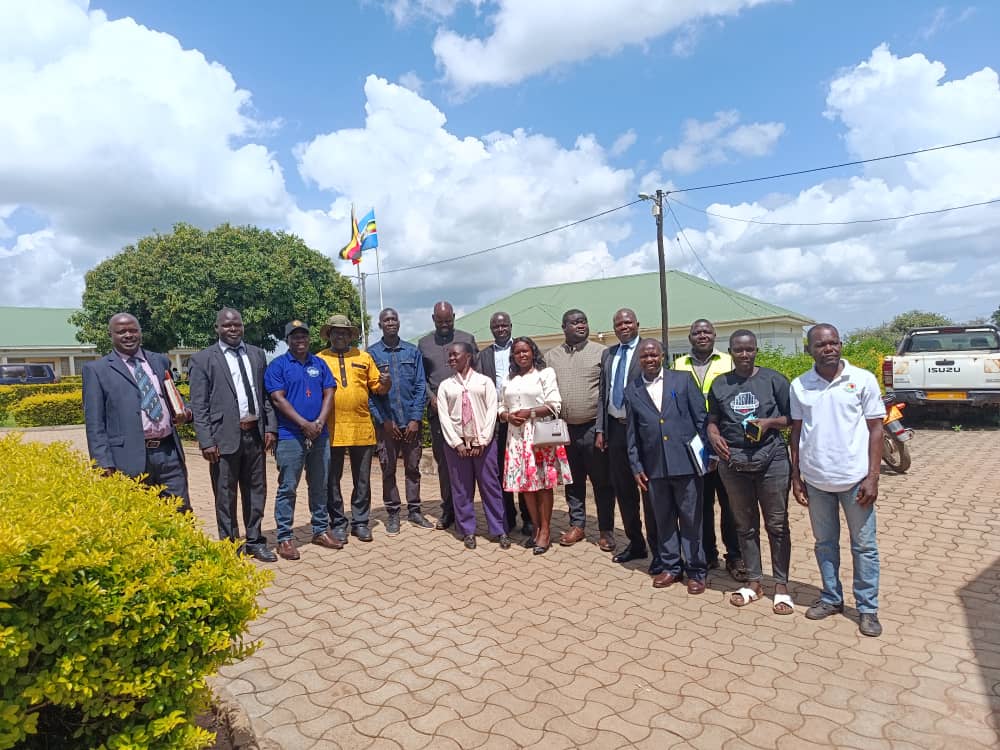 Zombo launches Agricultural Trade Show and Coffee Conference 2026
Voxpopuli 256 · 22 Oct 2026
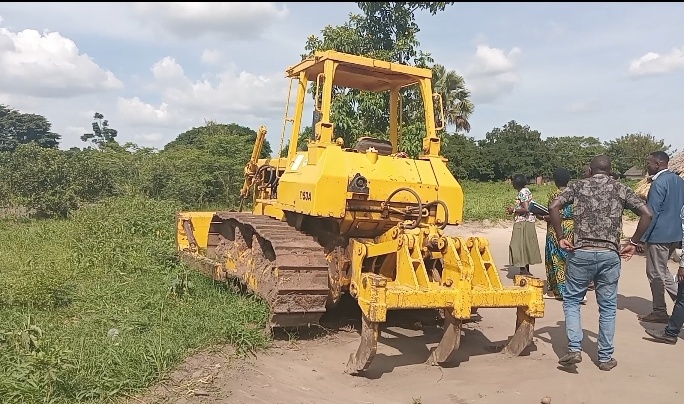 Road equipmnt breakdown stalls Apac road works
Voxpopuli 256 · 21 Oct 2026
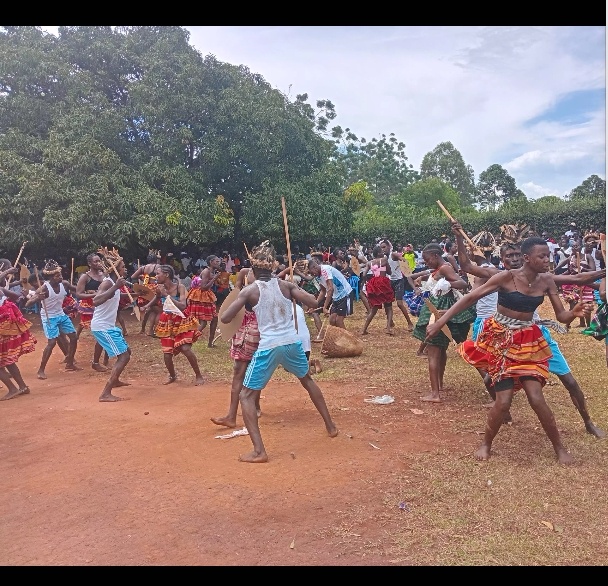 Unity in Diversity: Florence Nightingale Students Celebrate Uganda's Cultures in Apac
Voxpopuli 256 · 13 Oct 2026
 Unity in Diversity: Florence Nightingale Students Celebrate Uganda's Cultures in Apac
Voxpopuli 256 · 13 Oct 2026
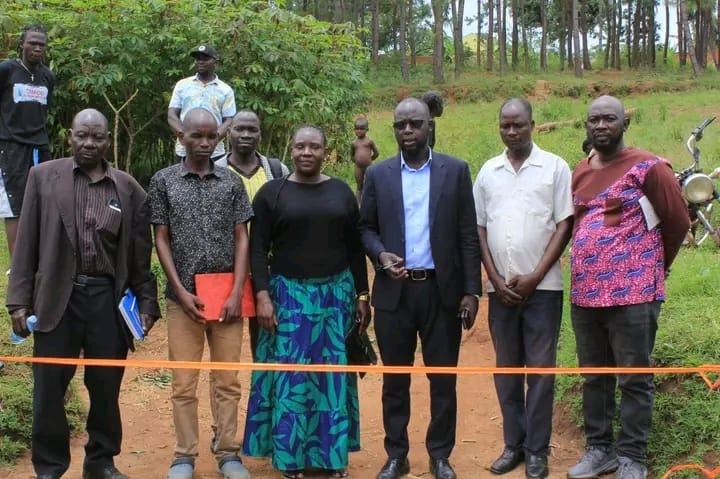 Alur Cultural Festival Launches Initiative to Revive Defunct Water Sources in Zombo
Voxpopuli 256 · 5 Oct 2026
 Apac Municipality runs short of PLE examiners
Voxpopuli 256 · 28 Sept 2026
 Hoima ex-combatants leaders under fire over graft
Voxpopuli 256 · 28 Sept 2026
 Seven cases, one arrest: Inside Apac's cattle restocking scandal
Voxpopuli 256 · 28 Sept 2026
 Apac CAO arrested over alleged sleeping on job
Voxpopuli 256 · 15 Sept 2026
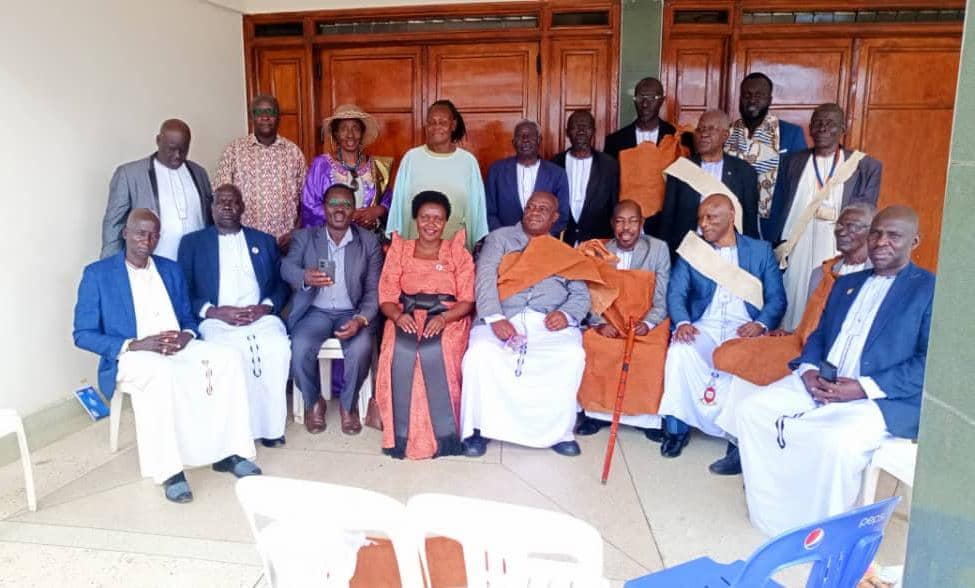 Luo unity highlighted ahead of King Oyo’s burial
Voxpopuli 256 · 12 Sept 2026
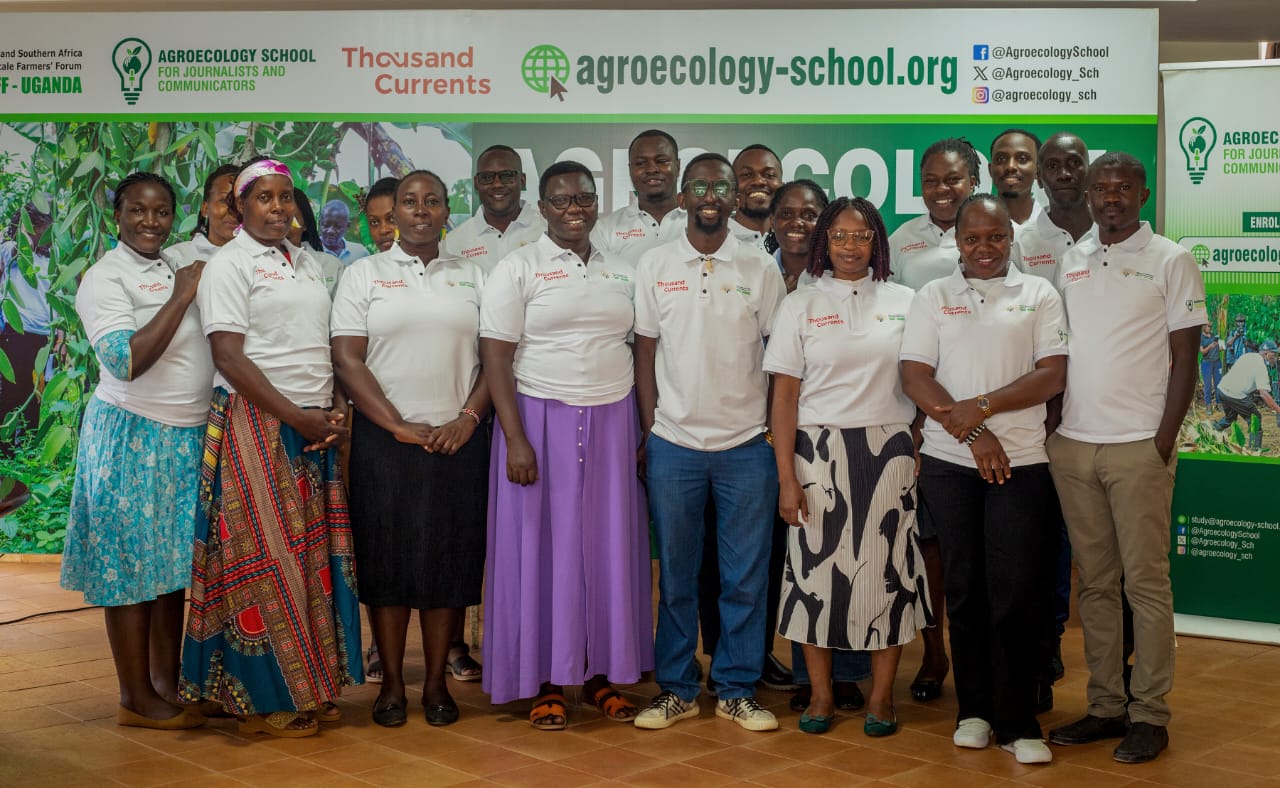 ESAFF Uganda Launches 6th Cohort of Agroecology School for Journalists and Communicators
Voxpopuli 256 · 11 Sept 2026
 Mp James Ongu Tarr's 100 days in office: Kwania North feels a new wave of service delivery
Voxpopuli 256 · 3 Sept 2026
 Alur Cultural Festival Rocks West Nile – Proceeds to Fuel Clean Water Extension for the Community
Voxpopuli 256 · 31 Aug 2026
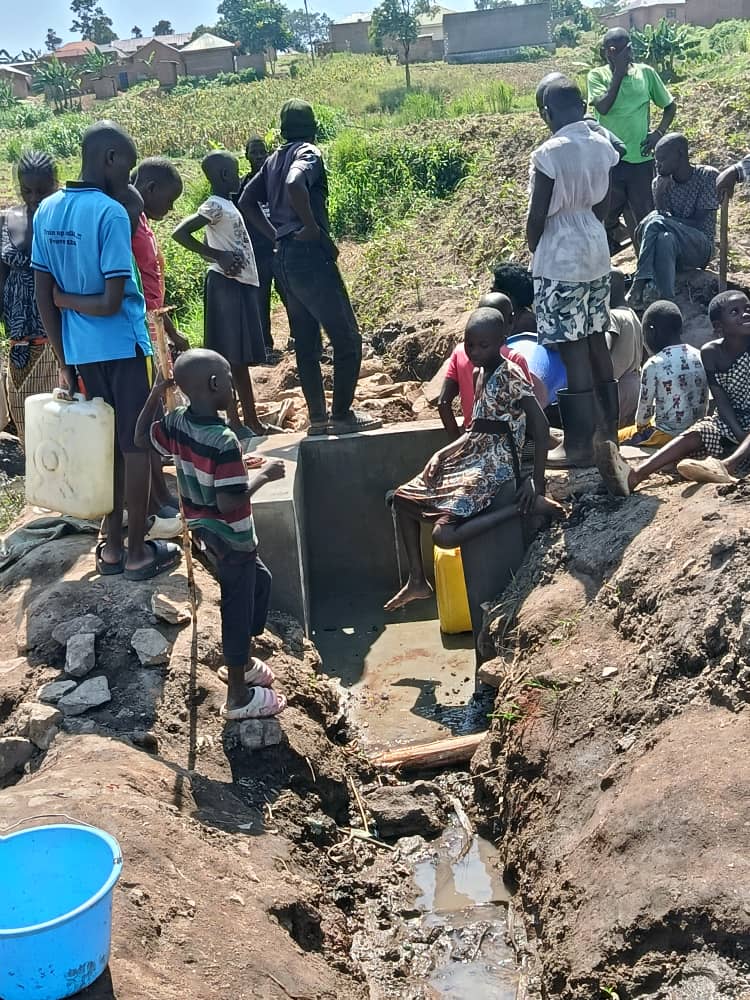 Zombo Woman MP restores safe water source, improving health for thousandss
Voxpopuli 256 · 31 Aug 2026
 Apac flooded roads become death trap claim more than 50 lives in three years
Voxpopuli 256 · 30 Aug 2026
 Red Cross, Alur Kingdom, Arsenal Fans Mobilise Community for Cleaning
Voxpopuli 256 · 29 Aug 2026
 Alur Kingdom to use traditional justice system to help widows and orphans recover grabbed land and property
Voxpopuli 256 · 21 Aug 2026
 EURO Gold Refinery LTD launches small scale gold mining project in Yumbe
Voxpopuli 256 · 21 Aug 2026
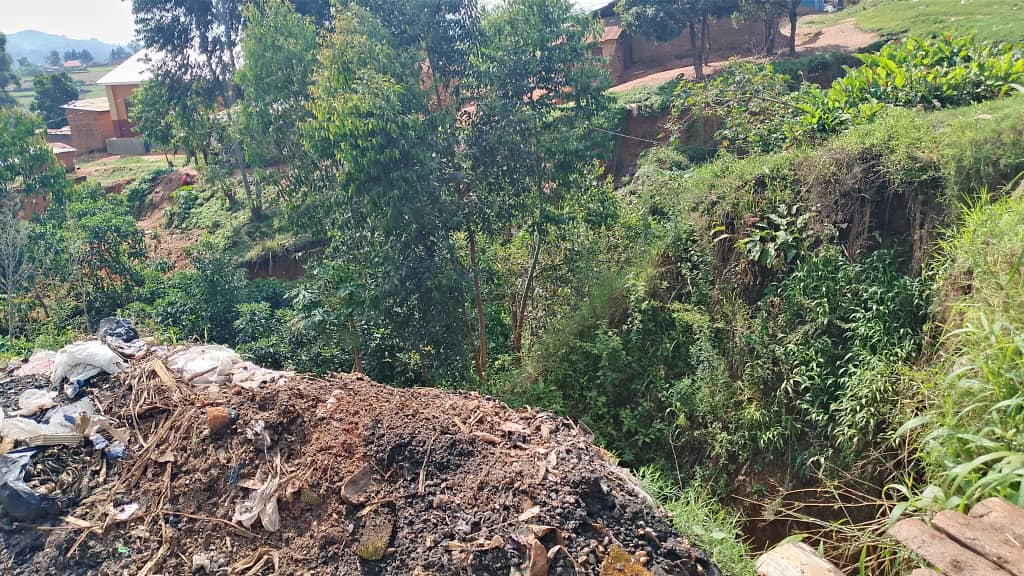 Deep Gully Threatens Zombo’s Multimillion Paidha Central Market amid Escalating Erosion Hazard
Voxpopuli 256 · 18 Aug 2026
 Apac top NRM Party leaders banned from handling party funds over corruption
Voxpopuli 256 · 18 Aug 2026
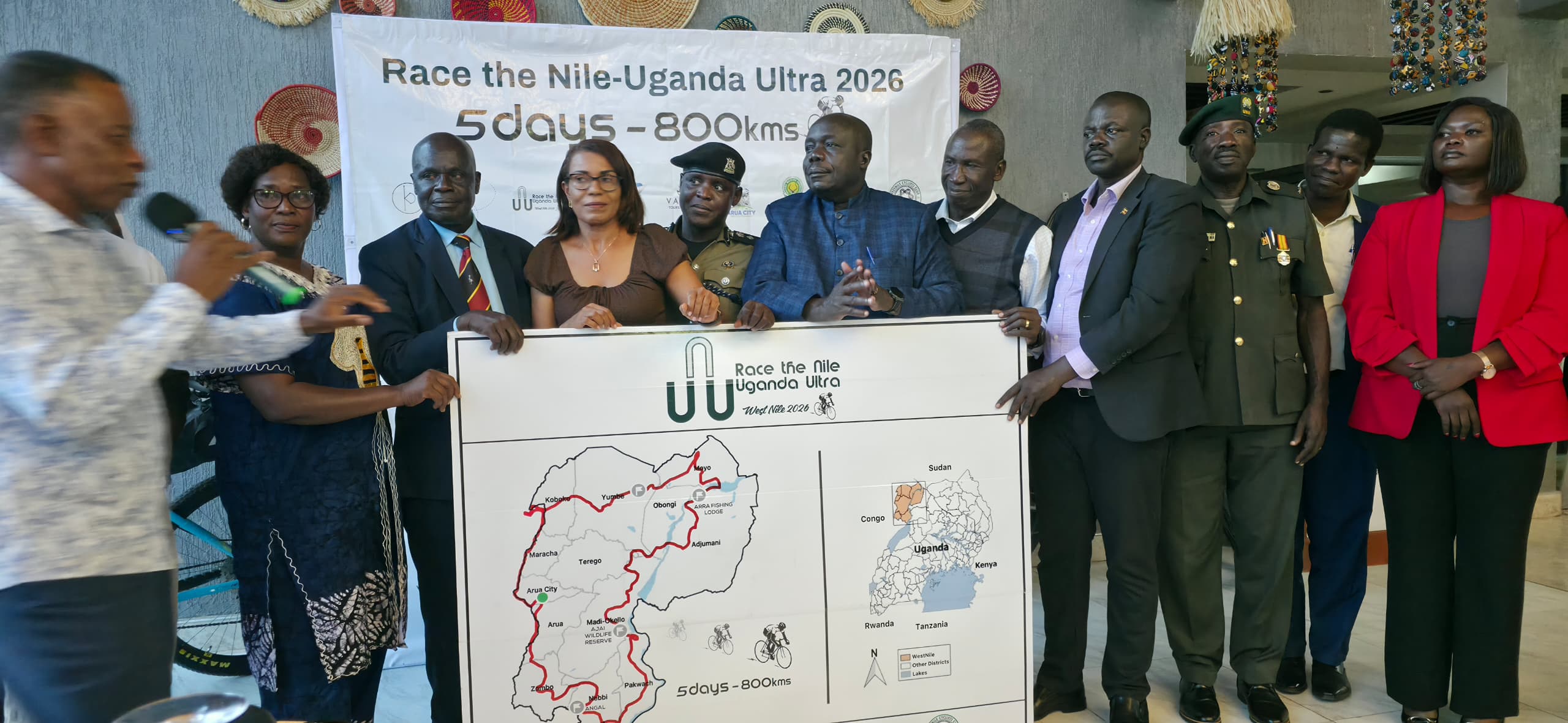 Preparations in high gear for the 2026 Race the Nile Adventure Tourism Festival
Voxpopuli 256 · 5 Aug 2026
 Alur Kingdom commits to collaborate with govt in a fight against HIV Aids
Voxpopuli 256 · 4 Aug 2026
 Alur Kingdom's Kaal Ayuveni Chiefdom Unveils 2026 Executive Cabinet to Strengthen Leadership
Voxpopuli 256 · 4 Aug 2026
 Heavy rain sweeps animals, crops and bridges in Zombo
Voxpopuli 256 · 4 Aug 2026
 Apac school SMC struggling to recover school land sold off by former leaders
Voxpopuli 256 · 3 Aug 2026
 Ex-Combatants to Benefit from Government Skills and Psychosocial Support
Voxpopuli 256 · 31 Jul 2026
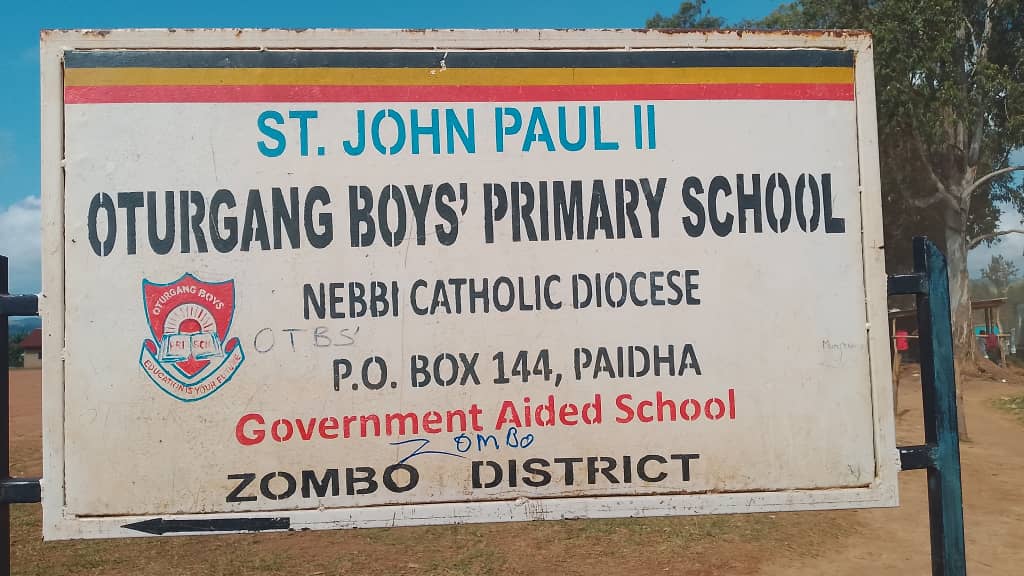 Zombo School speaks out on the death of P.3 pupil
Voxpopuli 256 · 31 Jul 2026
 Minister Oleru Calls for Greater Accountability in PDM Implementation
Voxpopuli 256 · 31 Jul 2026
 CEFORD Honors Zombo Headteacher with Director of the Year Award
Voxpopuli 256 · 31 Jul 2026
 UPDF operations in Maruzi Ranch to evict Balaalo draw mixed reactions from the community
Voxpopuli 256 · 27 Jul 2026
Related reporting
No related reports are available yet.