What Financial Inclusion Is Teaching Us About Uganda’s Economy
What the report says
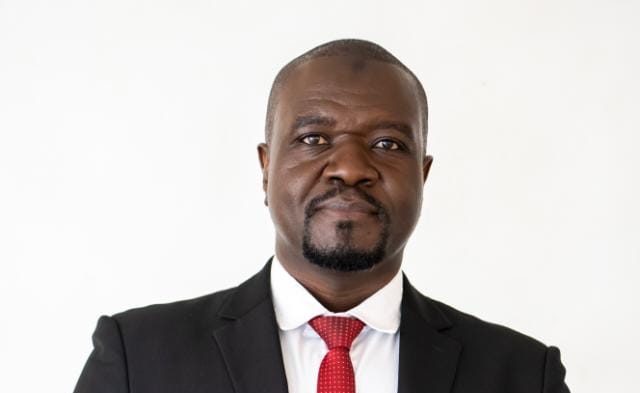
SoftPower News published an opinion-style piece by Abdallah Aziz Epalat, a manager of SACCOs at Pearl Bank, arguing that Uganda’s progress on financial inclusion should be understood through the experience of communities that have long operated outside formal banking. The article says the usual measures of success, such as the number of accounts opened or transactions processed, do not fully capture what financial inclusion means on the ground.
According to the piece, the broader lesson is that access to financial services is not only about bringing people into banks, but also about recognizing how households and small businesses actually manage money, savings and borrowing. It frames financial inclusion as a wider economic issue, linking it to livelihoods, local commerce and the ability of underserved groups to participate more fully in the economy.
The article does not report a specific policy announcement or new data, but it uses Uganda as a case study for thinking about how financial systems can better serve people outside the formal sector. In general terms, this kind of commentary matters because financial inclusion is often treated as a development goal, with implications for poverty reduction, small enterprise growth and resilience. The piece appears intended to prompt reflection on how banks, SACCOs and other financial actors measure impact.
Loading debate for this article…
Other publishers covering this story
Related reporting
 Gold Miners in Namayingo Face Job Losses as Police Shut MinesNile Post
 Steel & Tube wins two awards at Uganda International Trade FairThe Independent Uganda
 Ageing Coffee Trees, Climate Change Cut Yields for Kasese FarmersNile Post
 Vivo Energy upgrades Shell Amber Court station in JinjaThe Independent Uganda
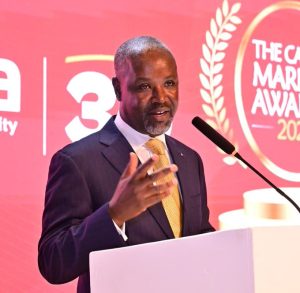 CMA Honours Capital Market Pioneers, Top Performers as Tayebwa Urges Wider AccessSoftPower News
 Experts share fuel-saving tips as prices soar - Daily MonitorDaily Monitor