Uganda’s tax policy faces a test of value for money
What the report says
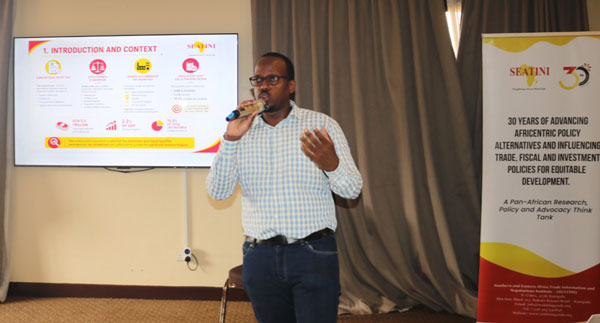
Uganda’s tax policy is under renewed scrutiny as government weighs the trade-off between supporting investment and giving up revenue needed for public services and long-term development. The Independent Uganda reported that this debate sharpened after a September 25, 2026 stakeholder discussion in Kampala hosted by SEATINI-Uganda, the Uganda Revenue Authority and the Embassy of Ireland through the STRIDe project.
A new cost-benefit analysis cited in the report estimates Uganda’s tax expenditure at Shs5.01 trillion in FY2024/25, or about 2.2% of GDP and 15.5% of total tax collections. The report says the biggest share came through VAT, followed by personal income tax, excise duty, customs duty and corporate income tax. Tax specialist Solomon Rukundo of the Ministry of Finance described these measures as deliberate departures from the standard tax system used to pursue policy goals.
The article places the figures in the context of Uganda’s Tenfold Growth Strategy, which aims to expand the economy from about US$50 billion to US$500 billion by 2040. Government views incentives as a tool for industrialisation, export growth and formal job creation, but the study suggests the results are mixed. The number of firms receiving strategic investor tax holidays has risen sharply, and beneficiaries reportedly saw gains in investment, turnover, profits and wages, though local sourcing did not rise as strongly as imports.
The report says policymakers are increasingly focused on accountability, monitoring and whether incentives deliver enough public value to justify their cost. It also notes gaps in reporting and evaluation, and quotes SEATINI’s Jane Nalunga stressing that forgone tax revenue is still public money. The issue matters because it could shape how Uganda designs future incentives and measures whether they truly support domestic growth.
Loading debate for this article…
Other publishers covering this story
No additional verified coverage is currently clustered with this report.
Related reporting
 How delayed diabetes diagnosis cost former Kampala mechanic both legs - Daily MonitorDaily Monitor
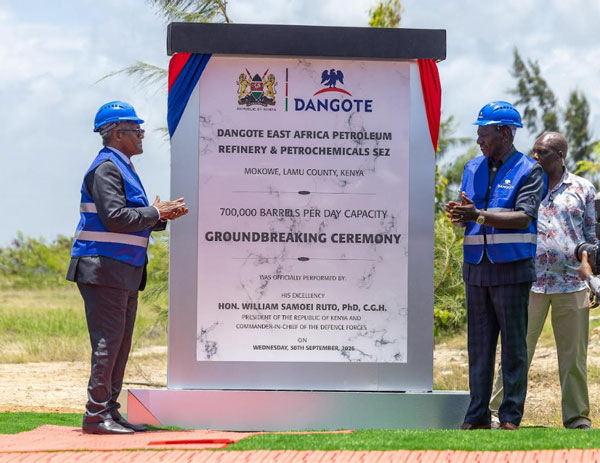 East Africa’s refinery revivalThe Independent Uganda
 Independence Marathon: Ugandans Run to Strengthen Blood Supply for MothersWatchdog Uganda
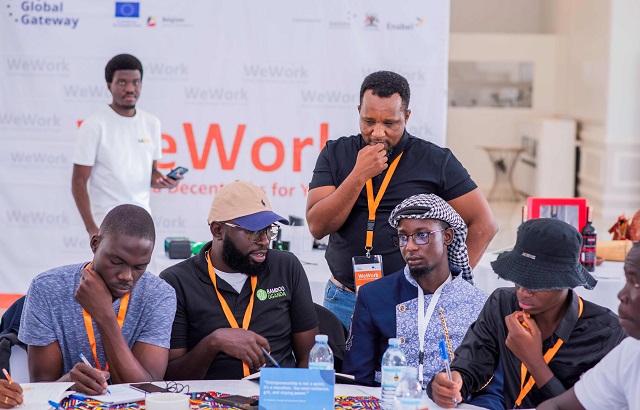 SONA: Over 50 SMEs complete green jobs bootcampsThe Independent Uganda
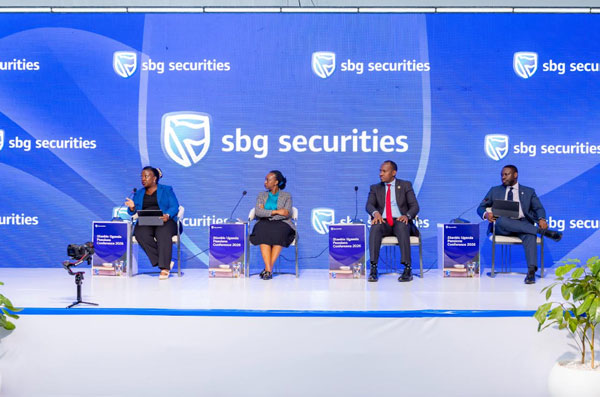 Uganda’s pension sector takes aim at growthThe Independent Uganda
 Police arrest suspect, recover two heifers in Ndejje cattle theft operationNile Post