Some people are getting shut out when it comes to GLP-1 drugs. Here’s why. - The Washington Post

What the report says
The Washington Post reports that access to GLP-1 medications for weight loss has narrowed for some Medicaid enrollees, as fewer state programs are paying for the drugs. According to the Post’s review, about one-third of state Medicaid programs covered the medications for weight-loss treatment as of mid-2025, compared with roughly one in five in 2026. The article identifies the shift as a reason some patients are being shut out of drugs in this class, including medications commonly associated with Ozempic and related treatments.
The evidence provided does not include the Post’s full article, so details such as which states changed policy, the timing of specific coverage decisions, and the patients affected are not available here. The central development, as reported by the Post, is a rollback or narrowing of Medicaid payment for GLP-1 drugs when prescribed for obesity or weight management, rather than a uniform national policy change.
For context, Medicaid is jointly funded by the federal government and states, and states have significant discretion over coverage rules within federal requirements. GLP-1 drugs have drawn major public attention because they can be used to treat diabetes and, in some formulations or indications, chronic weight management. Their high demand and cost have led insurers and public programs to scrutinize eligibility, prior authorization and budget impact. The reported decline in Medicaid coverage matters because low-income patients who rely on the program may face sharply different access depending on where they live and how their state defines covered uses.
Loading debate for this article…
Other publishers covering this story
No additional verified coverage is currently clustered with this report.
Related reporting
 Sweden Reaffirms Uganda Energy Partnership as Karuma–Tororo Project BeginsNile Post
 Inside Uganda’s NGO Compliance Crisis as Funding Shrinks and Scrutiny TightensNile Post
 Dokolo RDC Pledges Tight Security Ahead of 2026 PLEDokolo Post
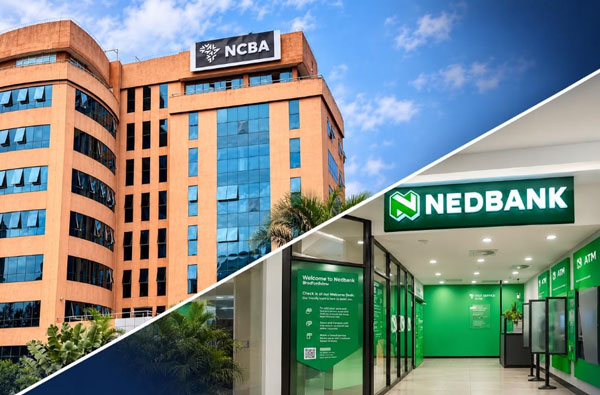 Nedbank takes control of NCBA in East African expansion driveThe Independent Uganda
 Benard Feni Inaugurated onto Malaria Free Uganda Board to Steer Malaria-Free Uganda Agenda - PML DailyPML Daily
 Over 500 Households and Businesses Face Eviction as Kamwenge Railway Land Reclamation BeginsNile Post