Within-patient gene transfer between transiently and chronically infecting bacteria causes extreme antibiotic resistance during lung infections - Nature
What the report says
Nature reported that researchers studying chronic lung infections found a mechanism by which bacteria inside patients can rapidly gain very high resistance to the antibiotic tobramycin. The study examined Pseudomonas aeruginosa and Achromobacter isolates from people with cystic fibrosis and one person with non-cystic fibrosis bronchiectasis whose infections showed sudden, large increases in tobramycin resistance after treatment began.
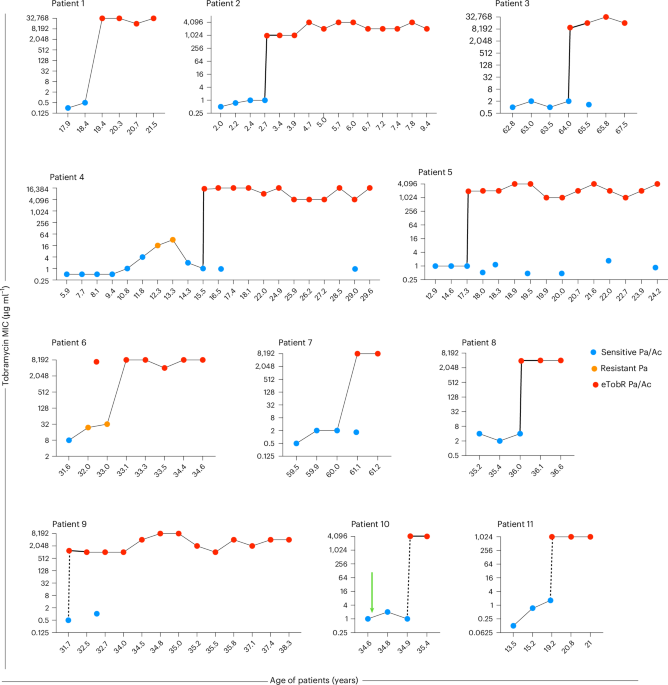
According to the article, the team studied isolates from 17 patients, with detailed longitudinal samples available from 11. Initial bacterial isolates were generally sensitive to tobramycin, but later samples in several cases reached what the researchers defined as extreme resistance, with minimum inhibitory concentrations of at least 1,024 micrograms per millilitre. The reported increases averaged about 9,340-fold between consecutive collection points and in many cases persisted for years.
Genome analysis indicated that, in patients 1–8, the resistant bacteria were not mainly explained by gradual mutation buildup or replacement by a new strain. Instead, the same established pathogen lineages appeared to acquire plasmid-borne resistance genes inside the lungs. The researchers identified transient bacteria, including environmentally capable species such as Pseudomonas putida in some cases, as likely sources of plasmids carrying resistance genes. The most common gene transferred was aac(3)-IIId, an aminoglycoside N-acetyltransferase not previously linked in the report to clinical resistance.
The finding matters because chronic lung infections in cystic fibrosis and bronchiectasis often require repeated antibiotic treatment, and resistance can limit options. The study suggests that short-lived bacterial visitors in the lung microbiome may help established pathogens become highly drug-resistant much faster than expected from mutation alone.
Loading debate for this article…
Other publishers covering this story
No additional verified coverage is currently clustered with this report.
Related reporting
 75% of Cancer Patients in Uganda Seek Treatment at Advanced Stages, Experts WarnNile Post
 Benard Feni Joins Malaria Free Uganda Board as Push for Domestic Funding GrowsNile Post
 Victoria University hosts first inter-university mental health symposium - PML DailyPML Daily
 Lango Seeks Japanese Investment in Agriculture, Industry and Social ServicesNile Post
 Medicine shortages undermining village health teamsThe Observer
 Depression: Walking Through the Three Corners of Life Toward HealingNile Post