WHO Launches New Drowning Prevention Package
What the report says
Nile Post reports that the World Health Organization has introduced a new drowning-prevention technical package ahead of World Drowning Prevention Day, marked annually on July 25. The PROTECT package was launched on Thursday in Accra, Ghana, and sets out seven evidence-based measures intended to help governments and communities reduce drowning deaths through more coordinated action.
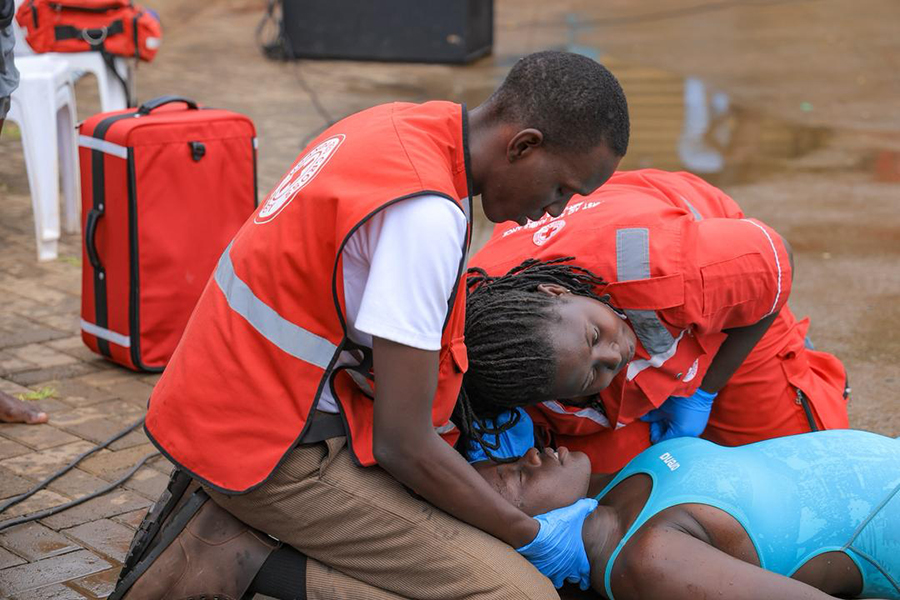
According to the report, WHO says close to 300,000 people die from drowning globally each year, with the burden falling heavily on low- and middle-income countries. The package turns WHO’s 2025 Global Strategy for Drowning Prevention into policy guidance. Its recommended interventions include safer infrastructure around water, stronger rescue and resuscitation capacity, better occupational safety for water-based workers, improved water transport, swimming and water-safety education, childcare safeguards, and preparedness for floods and other water-related emergencies.
The development is particularly relevant for Uganda, where Nile Post reports that drowning remains a serious public health problem in communities near lakes, rivers and other water bodies. Citing the Uganda National Drowning Prevention Strategy developed by the Ministry of Health and partners, the article says drowning is estimated to claim 1,400 to 3,000 lives annually, while experts believe many cases are missed or misclassified. Children, fishermen, boat operators, water transport passengers and communities around Lake Victoria, Lake Albert, Lake Kyoga and the River Nile are among those described as most at risk.
Uganda adopted a National Drowning Prevention Strategy for 2023–2028 to improve surveillance, water transport safety, rescue skills, awareness and emergency response. Nile Post says Makerere University School of Public Health, government agencies and partners including the Walter Reed Project have supported research, training and community interventions. WHO’s message emphasizes cross-sector collaboration as climate-related floods, storms and heat increase water-safety risks.
Loading debate for this article…
Other publishers covering this story
Related reporting
 Medicine shortages undermining village health teamsThe Observer
 Depression: Walking Through the Three Corners of Life Toward HealingNile Post
 Ebola: Uganda Reinstates Traveller Locator FormsNile Post
 Uganda remains Ebola-free as Health ministry probes Nigerian traveller infected with virus - Daily MonitorDaily Monitor
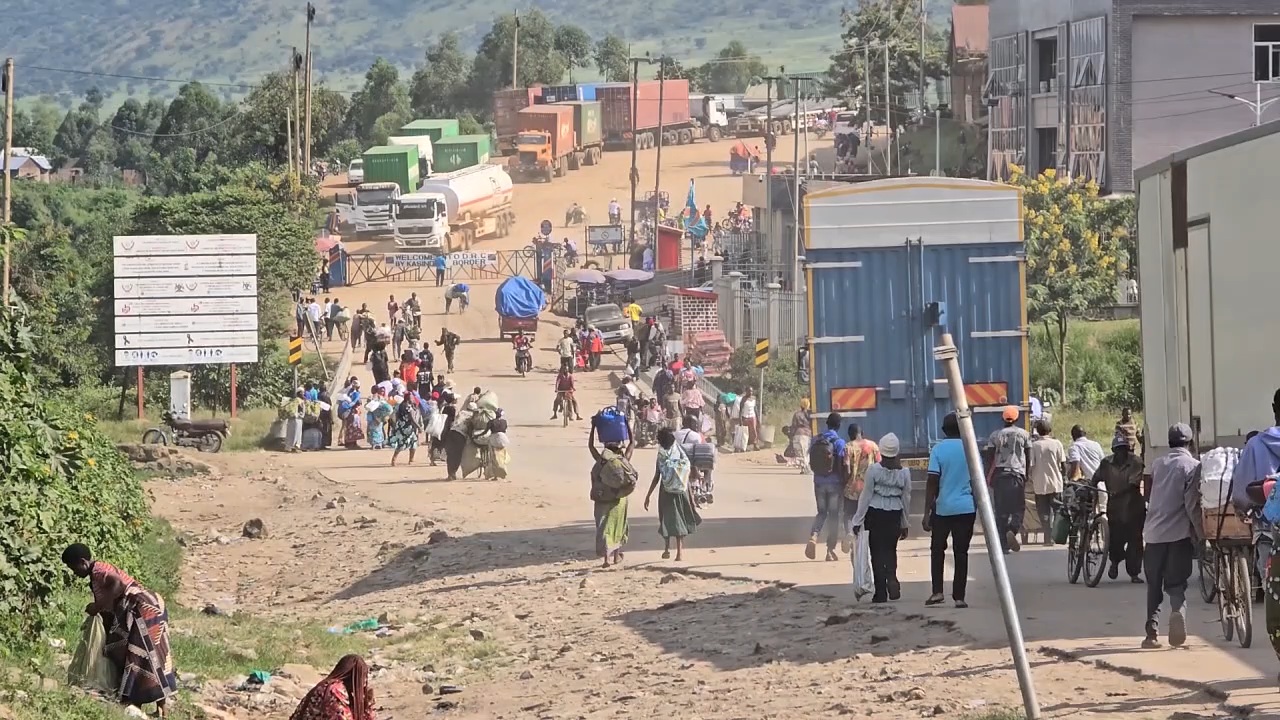
 Atwine Warns Border Officers Over Ebola Screening Lapses at MpondweNile Post
 Rising patient numbers strain Bulucheke Health Centre IVThe Independent Uganda