WHO Launches New Drowning Prevention Package
What the report says
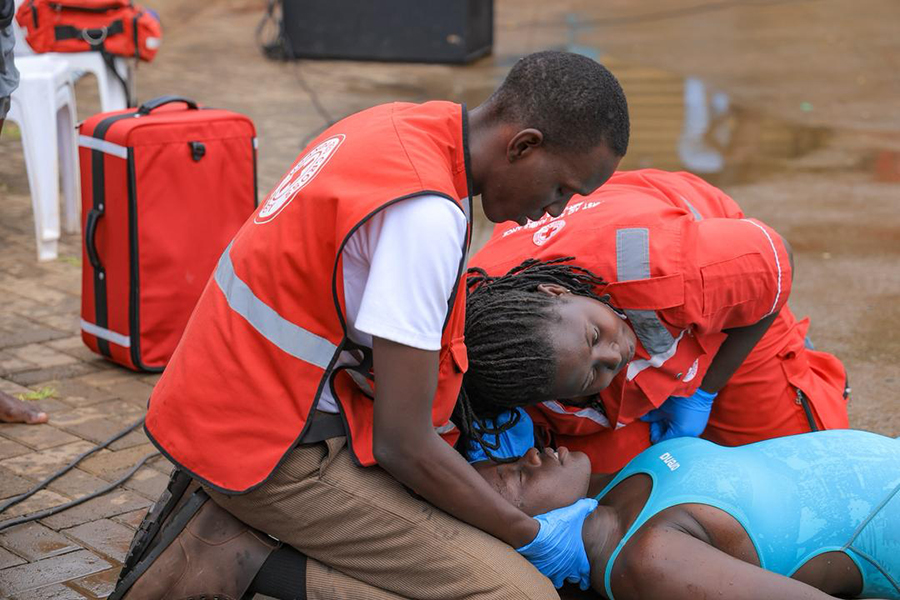
Nile Post reports that the World Health Organization has introduced a new technical package on drowning prevention ahead of World Drowning Prevention Day. The package sets out seven evidence-based approaches intended to help governments and partners reduce deaths in lakes, rivers, pools and other water settings. The announcement comes as Uganda faces continuing concern over hundreds of drowning fatalities each year.
According to the report, government agencies, Makerere University School of Public Health and international partners are working to strengthen water-safety interventions in Uganda. The WHO guidance is presented as a tool to support those efforts by giving policymakers and implementers a structured set of prevention measures rather than treating drowning only as an emergency-response issue.
The named source material does not list all seven strategies in detail. In general, WHO drowning-prevention guidance has emphasized measures such as protecting children from unsafe water access, teaching basic swimming and rescue skills, improving safe boating and transport practices, preparing for flood risks and building national water-safety plans. Any local rollout in Uganda would depend on the priorities and resources of the agencies involved.
The development matters because drowning is often preventable but can receive less policy attention than other public-health threats. For Uganda, where many communities live, work or travel near open water, the new WHO package could help align public education, school and community programmes, emergency response and regulation around a common prevention framework.
Loading debate for this article…
Other publishers covering this story
Related reporting
 Medicine shortages undermining village health teamsThe Observer
 Depression: Walking Through the Three Corners of Life Toward HealingNile Post
 Ebola: Uganda Reinstates Traveller Locator FormsNile Post
 Uganda remains Ebola-free as Health ministry probes Nigerian traveller infected with virus - Daily MonitorDaily Monitor
 Atwine Warns Border Officers Over Ebola Screening Lapses at MpondweNile Post
 Rising patient numbers strain Bulucheke Health Centre IVThe Independent Uganda