
What is ranked-choice voting and how does it work in US elections?

What the report says
Al Jazeera reports that ranked-choice voting is drawing renewed attention in the United States because of a dispute in Alaska, where two candidates with similar names are on the ballot in a closely watched Senate race. The outlet says the system could affect how votes are counted in Alaska’s 2026 election and has become part of a legal fight involving President Donald Trump’s effort to block certification if the incumbent candidate loses.
Ranked-choice voting lets voters list candidates in order of preference instead of selecting only one. If no one wins a majority of first-choice votes, the lowest-performing candidate is eliminated and those ballots are redistributed to the next choices. The process continues until one candidate secures a majority. Supporters say this gives voters more freedom to support their preferred candidate and can reduce the spoiler effect, while critics argue it can make voting and tabulation more complicated.
According to Al Jazeera, Alaska and Maine are the only states that use ranked-choice voting statewide, though some cities and other jurisdictions have adopted it for local or special elections. Maine began using it after a 2016 ballot measure, and Alaska approved it in 2020. In Alaska, officials have tried to distinguish the two Dan Sullivans on the ballot, but the race has still sparked controversy and questions about voter confusion.
Loading debate for this article…
Other publishers covering this story
No additional verified coverage is currently clustered with this report.
Related reporting
 Health authorities probe two suspected Ebola cases in northeast NigeriaAl Jazeera
 ‘We Are Coming From Hell’: A Ukrainian City’s Evacuees Tell Survival StoriesNew York Times World
 District of Columbia and Virginia sue to block Trump’s triumphal arch plansAl Jazeera
 Israel’s allegations of Qatari election interference rejectedAl Jazeera
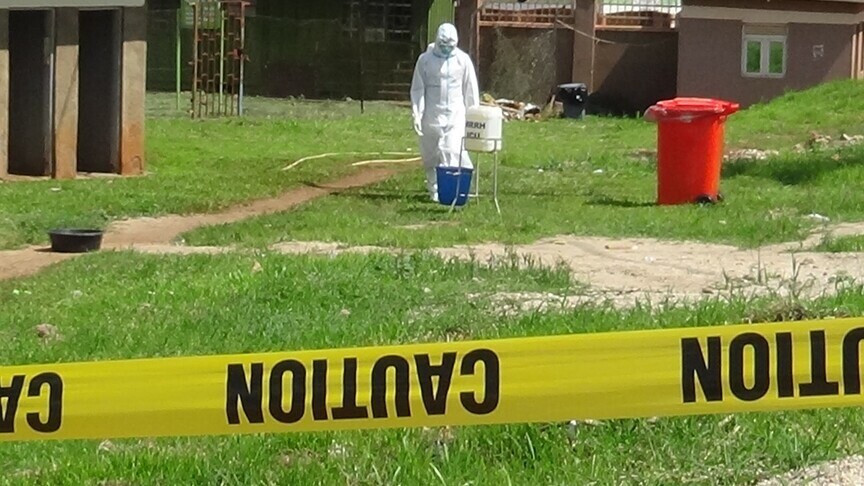 Residents burn Ebola treatment center in north-central DR CongoAnadolu Agency Africa
 Turkiye’s Erdogan urges Russia and Ukraine to stop Black Sea attacksAl Jazeera