
What could the Mecca defence pact mean for the US role in the Middle East?

What the report says
Saudi Arabia, Turkiye and Pakistan signed a new mutual defence agreement in Mecca on Friday, a move that Al Jazeera says is drawing attention to changing security calculations in the Middle East after the recent US-Israel war on Iran. The pact, described by the three governments as the Mecca Joint Defence Agreement, says an armed attack on one member would be treated as an attack on all and calls for broader defence cooperation.
Analysts quoted by Al Jazeera said the deal reflects growing doubts among some regional partners about the reliability of US security guarantees. They argued that, over time, governments in the region have looked for ways to diversify their defence ties rather than rely only on Washington, especially after the war and its spillover effects across the region.
The article notes that the pact does not appear to be a replacement for US support. Instead, it is presented as an attempt to add new options for deterrence and coordination among regional states that remain US partners. Experts also cautioned against reading the agreement as an anti-Iran war alliance, saying the three countries have generally backed mediation and de-escalation.
More broadly, the development matters because it suggests regional powers are rethinking how to manage security amid uncertainty over US commitments, Iran’s military posture and risks to key routes such as the Strait of Hormuz. Al Jazeera reported that the full practical impact of the agreement is still unclear.
Loading debate for this article…
Other publishers covering this story
Related reporting
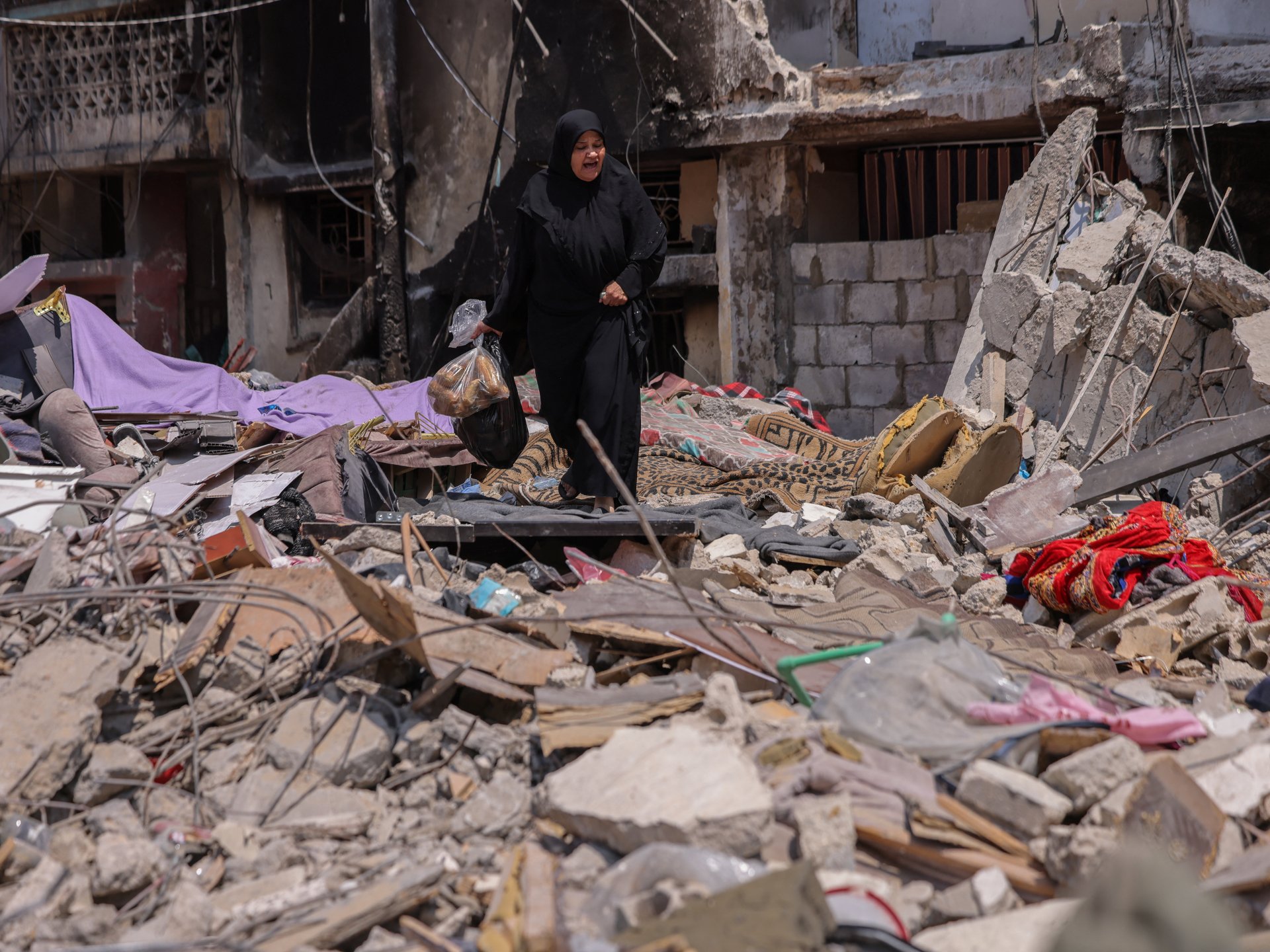 More than one million people in Lebanon face acute food shortages, UN saysAl Jazeera
 Will Sheikh Hasina return to Bangladesh?Al Jazeera
 Zohran Mamdani’s influence grows as Democrats eye 2028 strategiesAl Jazeera
 Ireland fears undersea cables face growing threat from ‘malign actors’Al Jazeera
 Russia’s ambassador to US, Alexander Darchiev, dies at 66Al Jazeera
 Missing 11-month-old baby found buried alive in a crate in South CarolinaBBC World News