
More than one million people in Lebanon face acute food shortages, UN says
What the report says
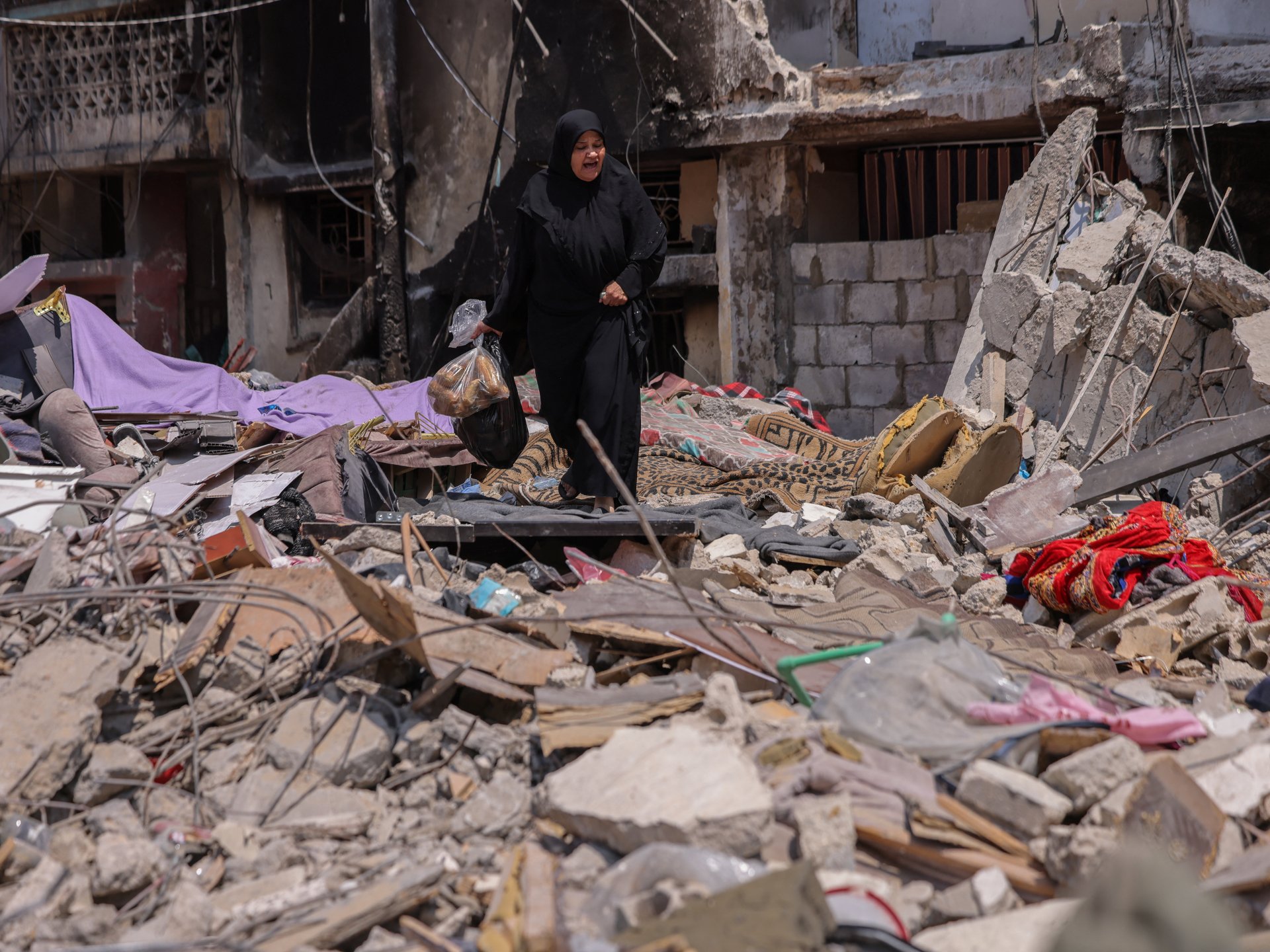
The United Nations says more than one million people in Lebanon are facing acute food shortages, a crisis affecting nearly a quarter of the country’s population. In a joint statement published Wednesday, the UN Food and Agriculture Organization, the World Food Programme and Lebanon’s Ministry of Agriculture said the situation is being driven by two conflicts in less than two years, along with a severe economic downturn. They warned the number of people in acute food insecurity could rise to 1.15 million by mid-next year if conditions do not improve.
The agencies said many households are already struggling with limited jobs, depleted savings and high debt, while food, fuel and other basic costs continue to rise. WFP officials said some families are still coping by borrowing or cutting expenses, but that these options are running out for the poorest households. Lebanon’s agriculture minister called for a coordinated national response that addresses immediate food needs while also protecting livelihoods and restoring production.
The warning comes as Lebanon continues to recover from its worst economic crisis, which began in 2019, and from renewed violence tied to the Israel-Hezbollah conflict. Al Jazeera reported that Lebanon’s authorities estimate the two wars since October 2023 have cost about $27bn. The article also noted that a U.S.-brokered framework deal in June was intended to end the fighting, but Israeli forces remain in parts of Lebanese territory.
Loading debate for this article…
Other publishers covering this story
No additional verified coverage is currently clustered with this report.
Related reporting
 Will Sheikh Hasina return to Bangladesh?Al Jazeera
 Zohran Mamdani’s influence grows as Democrats eye 2028 strategiesAl Jazeera
 Ireland fears undersea cables face growing threat from ‘malign actors’Al Jazeera
 Russia’s ambassador to US, Alexander Darchiev, dies at 66Al Jazeera
 Missing 11-month-old baby found buried alive in a crate in South CarolinaBBC World News
 Congo’s president urges world to back UN tree-planting decade at COP31 climate conference in TürkiyeAnadolu Agency Africa