
UAE says Iran targeted ADNOC tanker in Strait of Hormuz, no casualties

What the report says
The United Arab Emirates said Iran hit an ADNOC-owned tanker with a missile while it was crossing the Strait of Hormuz, a vital shipping lane between the Gulf and the wider Indian Ocean. The report, published by Al Jazeera and based on UAE statements and ADNOC comments, said the incident occurred in the early hours of Saturday and that there were no reported casualties. ADNOC did not publicly detail the extent of any damage or the vessel’s precise position at the time.
According to the UAE Ministry of Foreign Affairs, the strike was carried out by Iran’s Revolutionary Guard Corps, and Abu Dhabi described it as an act of piracy. The ministry also urged Tehran to stop the attacks and allow the strait to remain fully open. ADNOC said one of its ships had been targeted while transiting the waterway, and separately said it had faced multiple missile and drone attacks on vessels during the broader conflict, including attacks this week that killed one crew member and injured 20 others.
The accusation drew quick criticism from Gulf and Arab governments. The Gulf Cooperation Council called the incident a dangerous escalation, while Qatar, Saudi Arabia and Jordan also condemned the attack and warned against using the strait as leverage. The episode highlights the strategic importance of the Strait of Hormuz, through which a substantial share of global oil shipments pass.
Loading debate for this article…
Other publishers covering this story
No additional verified coverage is currently clustered with this report.
Related reporting
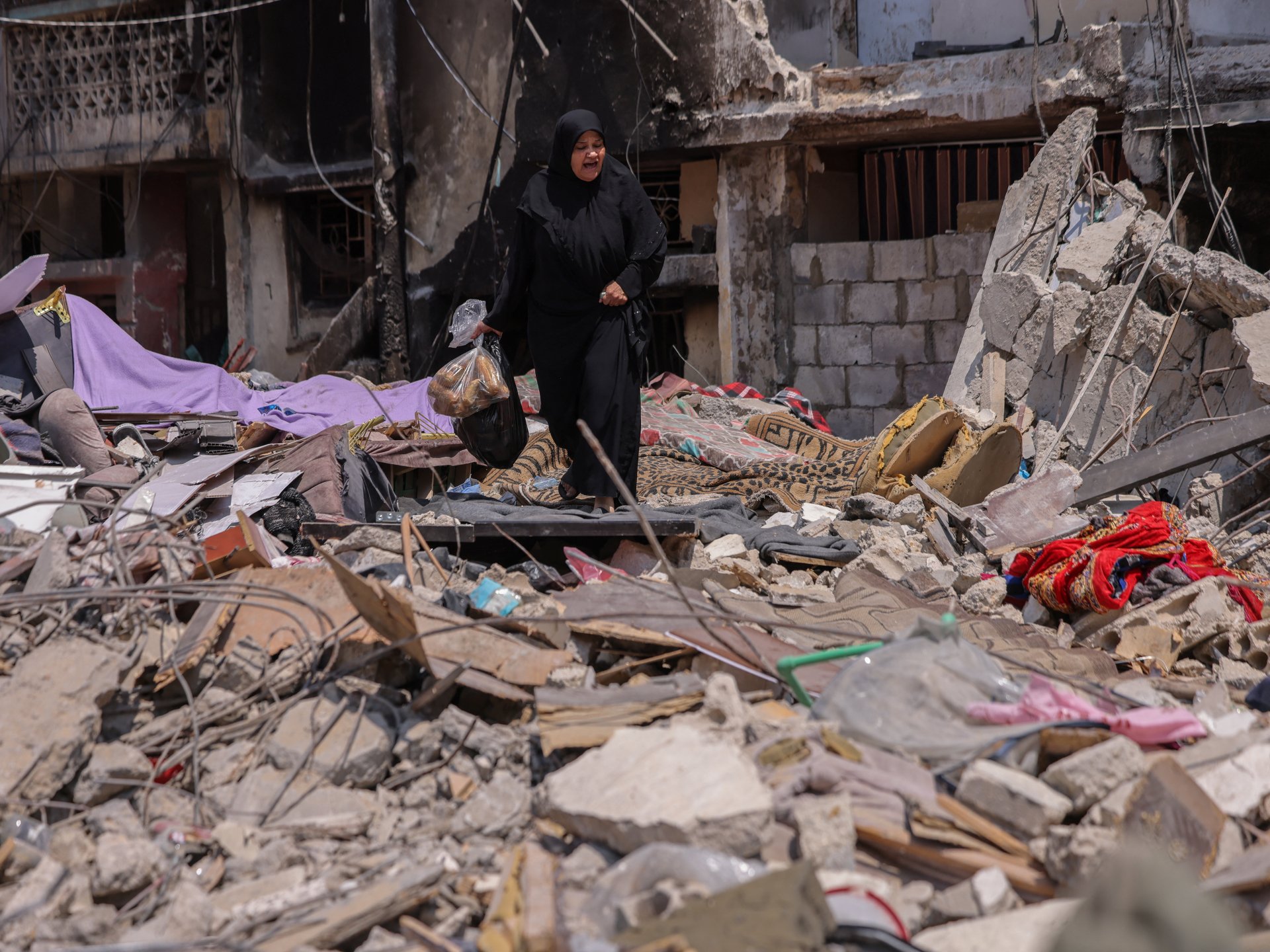 More than one million people in Lebanon face acute food shortages, UN saysAl Jazeera
 Will Sheikh Hasina return to Bangladesh?Al Jazeera
 Zohran Mamdani’s influence grows as Democrats eye 2028 strategiesAl Jazeera
 Ireland fears undersea cables face growing threat from ‘malign actors’Al Jazeera
 Russia’s ambassador to US, Alexander Darchiev, dies at 66Al Jazeera
 Missing 11-month-old baby found buried alive in a crate in South CarolinaBBC World News