
Tur importers seek govt nod to expand sourcing network
What the report says
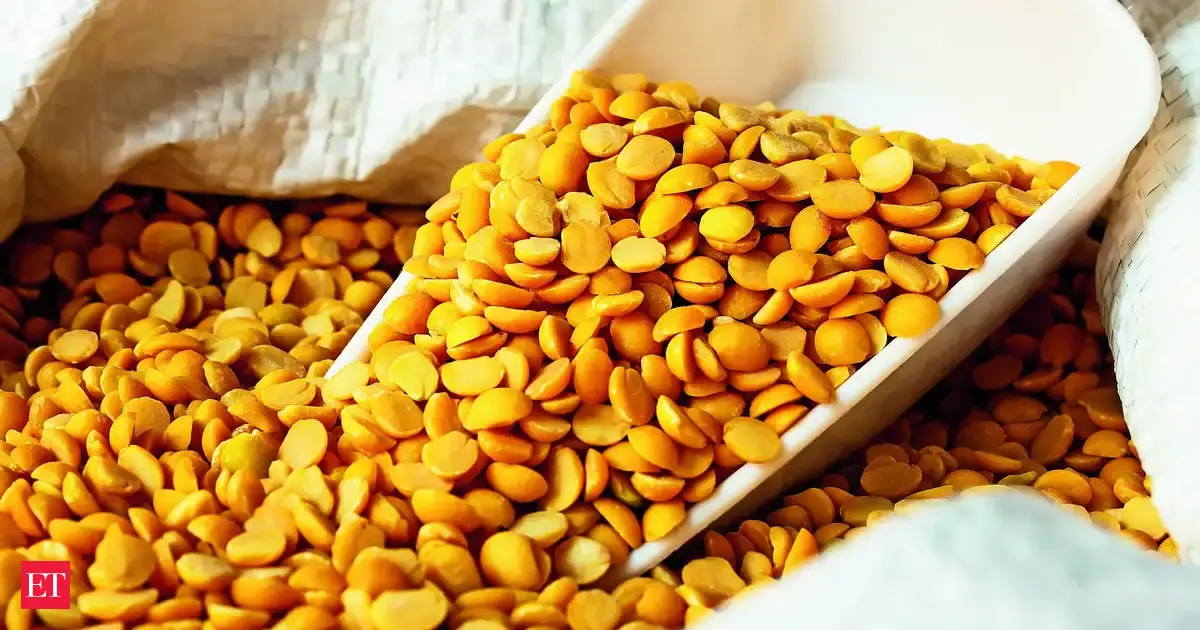
The Economic Times reported that Indian pulses importers are asking the Centre to clear additional overseas sources for tur, also known as arhar, and urad, as the trade worries about weather risks to domestic pulse output this year. The report, datelined Pune and updated July 30, 2026, says Brazil is trying to grow tur for the Indian market, with an initial small crop expected, but shipments would need plant quarantine and other official approvals before imports can begin.
According to the report, the industry is also exploring tur cultivation in Australia. Trade representatives said prospective producing countries want policy certainty and buyback assurances because India is the main large-scale consumer market for tur dal. The Indian Pulses and Grains Association is involved in efforts with counterparts abroad to broaden India’s import basket.
The Economic Times said India has sought to reduce dependence on a limited set of suppliers since droughts in 2015 and 2016 pushed tur dal prices to around ₹200 per kg. India has traditionally sourced tur from Myanmar and several African countries, including Mozambique, Malawi, Tanzania, Sudan, Kenya and Uganda, while Myanmar had been the key external source for urad.
The report said Brazil has already begun supplying urad to India, with imports rising from 3,000 tonnes in 2023 to about 400,000 tonnes in 2026. IPGA chairman Bimal Kothari told the publication that Brazilian tur could offer quality advantages because of large farms and advanced farming practices. The issue matters because a wider sourcing network could help India manage pulse availability and price volatility if local crops are hit by erratic weather.
Loading debate for this article…
Other publishers covering this story
No additional verified coverage is currently clustered with this report.
Related reporting
 Open letter: Gen Muhoozi constitutionalise your journey to State HouseThe Observer
 Oyo Burial: How Musuuga Broke Deal to Keep Succession Out of FuneralNile Post
 King Oyo Succession: Musuuga Breaks Ranks with Museveni’s Tooro PlanNile Post
 Ex-VP Ssekandi Salutes Late Col. George Wilson Kamya as Beti Kamya Launches Father’s Autobiography ‘Soldier of Faith’Watchdog Uganda
 Ugandan Teen Urges Parliament to Protect Schooling During Climate DisastersWatchdog Uganda
 Attorney General Sam Mayanja backs King Oyo’s will in Tooro succession dispute as kingdom buries its former ‘boy king’Watchdog Uganda