
Switzerland is a neutral nation but has more nuclear bunkers than any country in the world
What the report says
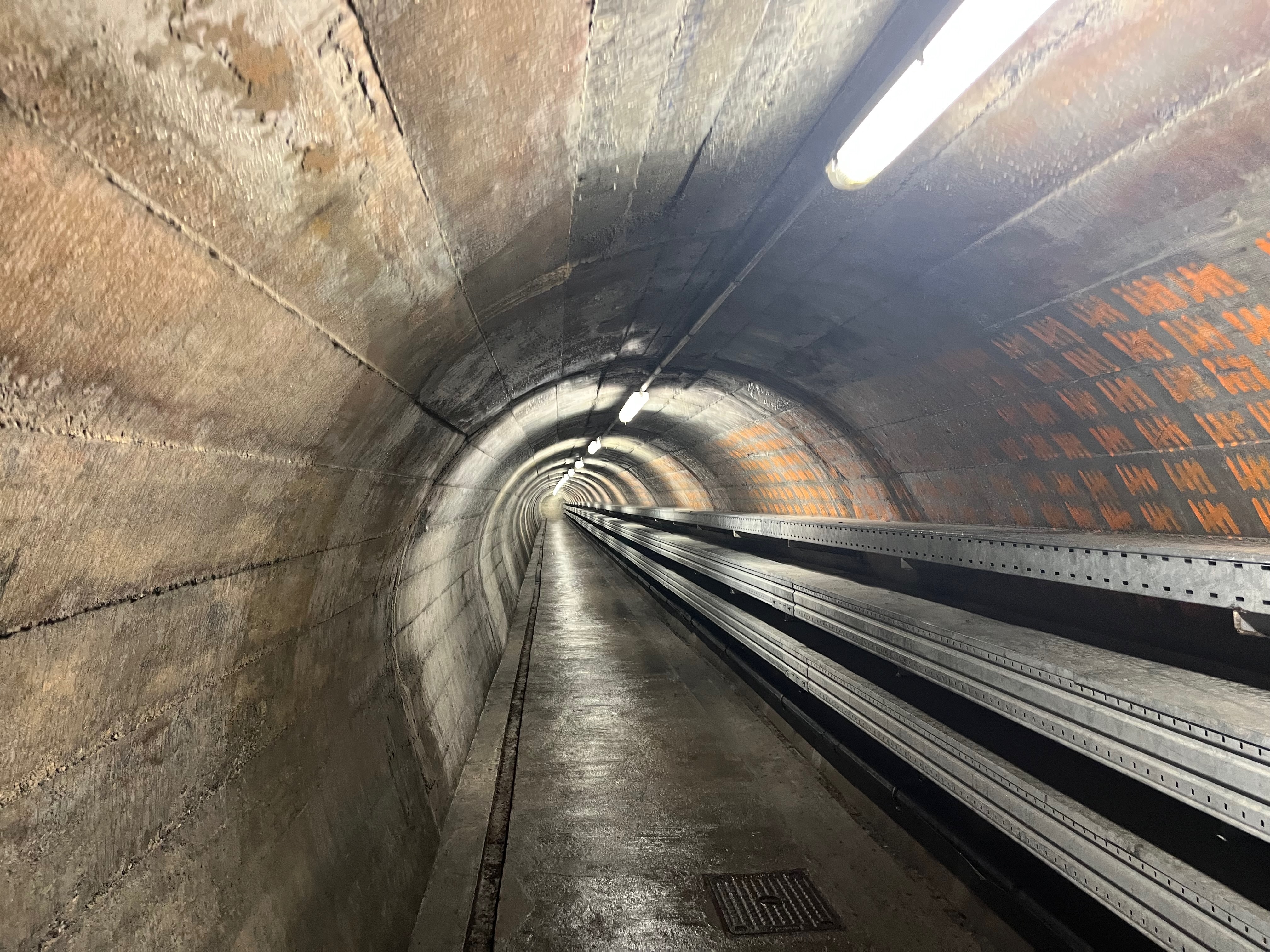
Switzerland’s extensive network of nuclear bomb shelters remains a defining feature of the country’s civil-defense planning, according to NPR World. Rather than dismantling the system after the Cold War, Switzerland continued expanding it and now has more than 370,000 shelters, the report says. That total is cited as larger than any other country’s bunker network.
The piece highlights the contrast between Switzerland’s longstanding neutrality and its unusually large shelter capacity. The shelters were originally part of a broader effort to protect civilians in the event of war or nuclear attack, and the country’s approach reflects a policy of keeping protective infrastructure in place rather than retiring it.
NPR also notes that some of these spaces are now being used for other purposes, including housing migrants. That detail underscores how the shelters continue to serve practical needs beyond their original emergency function, even as their scale remains tied to Cold War-era security planning.
The development matters because it shows how one European country has preserved and adapted a vast civil-defense system that most nations have not maintained at comparable levels. It also offers context for current debates about shelter use, migration, and preparedness in a time when emergency planning is again drawing attention in parts of Europe.
Loading debate for this article…
Other publishers covering this story
No additional verified coverage is currently clustered with this report.
Related reporting
 More than one million people in Lebanon face acute food shortages, UN saysAl Jazeera
 Will Sheikh Hasina return to Bangladesh?Al Jazeera
 Zohran Mamdani’s influence grows as Democrats eye 2028 strategiesAl Jazeera
 Ireland fears undersea cables face growing threat from ‘malign actors’Al Jazeera
 Russia’s ambassador to US, Alexander Darchiev, dies at 66Al Jazeera
 Missing 11-month-old baby found buried alive in a crate in South CarolinaBBC World News