
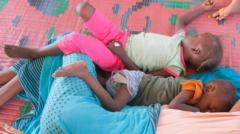
Sudan's invisible children - born in war with no legal identity
What the report says
BBC World News reports that children born from rape in Sudan’s war are often left without birth certificates or other legal papers, creating long-term barriers to healthcare, schooling and identity documents. The article centers on Amira, a 17-year-old whose name was changed for safety, who says she was abducted and raped by RSF fighters while fleeing el-Fasher in North Darfur. Her son was later born at a hospital supported by International Medical Corps, with assistance from the Sudanese aid group Nada Al-Azhar Foundation, but he remains unregistered because she cannot provide the father’s details.
The BBC says this problem is not unique. Aid workers and lawyers quoted in the report say conflict, the collapse of civil registry services and social stigma are preventing many mothers from reporting assaults or completing registration procedures. In some cases the mothers are minors themselves and need a guardian to pursue a case, which further complicates the process.
The piece also notes that Sudanese law does provide a route to register children born outside marriage, but that system depends on reporting sexual violence and on functioning state institutions. In areas such as Darfur, where civil offices have shut down during the war, officials and advocates warn that many children are remaining in legal limbo. The story highlights the wider human cost of Sudan’s conflict, including exposure to violence, loss of services and the risk of a generation growing up without formal recognition.
Loading debate for this article…
Other publishers covering this story
No additional verified coverage is currently clustered with this report.
Related reporting
 Israel bans Arab parties from election: Who they are, why it mattersAl Jazeera
 Virat Kohli says he will retire from India cricket after 2027 World CupAl Jazeera
 ‘Super El Niño’ deepens hunger crisis in South Sudan says UNFrance24 Africa
 Special Edition: Our Interview With Mark CarneyNew York Times World
 England vs Spain: UEFA Nations League – Predictions, teams, head-to-headAl Jazeera
 Morocco’s Authenticity and Modernity Party wins parliamentary electionFrance24 Africa