Socioeconomic disparities in children’s neurodevelopment before and during primary education: Evidence from Bagamoyo, Tanzania
What the report says
PLOS One reported a longitudinal study examining how household wealth relates to children’s neurodevelopment in Bagamoyo district, Tanzania, a low- to moderate-malaria-endemic area. The article, published July 27, 2026, followed 590 randomly selected children aged 6 months to 10 years and used age-appropriate neurodevelopmental assessments to compare outcomes across socioeconomic groups.
According to the study by Manyiri and colleagues, family socioeconomic status was estimated from household assets and divided into tertiles. Researchers analyzed standardized, age-adjusted neurodevelopmental scores across three developmental stages: early childhood from 6 months to 3 years, preschool at ages 4–5, and school age from 6–10. The authors reported that children from poorer and wealthier households appeared to begin with similar scores, but a measurable gap began to emerge around age 2.
The reported disadvantage for children in the poorest households was −0.36 standard deviations during the preschool period, with a 95% confidence interval from −0.64 to −0.08, and −0.41 standard deviations at school age, with a 95% confidence interval from −0.73 to −0.09. The authors concluded that interventions before and during the preschool years may be especially important for reducing later developmental inequality.
The paper places the findings in the wider context of evidence that socioeconomic conditions can shape children’s language, memory, executive function and school readiness, while noting that long-term evidence from Sub-Saharan Africa remains limited. PLOS One said the study was funded by the National Institute of Allergy and Infectious Diseases of the U.S. National Institutes of Health, and the authors declared no competing interests.
Loading debate for this article…
Other publishers covering this story
No additional verified coverage is currently clustered with this report.
Related reporting
 Mumsa High School Launches Music Album and Play to Nurture Students’ TalentsNile Post
 From Chalk to Hoe, Former Mityana Teacher Finds Hope in FarmingNile Post
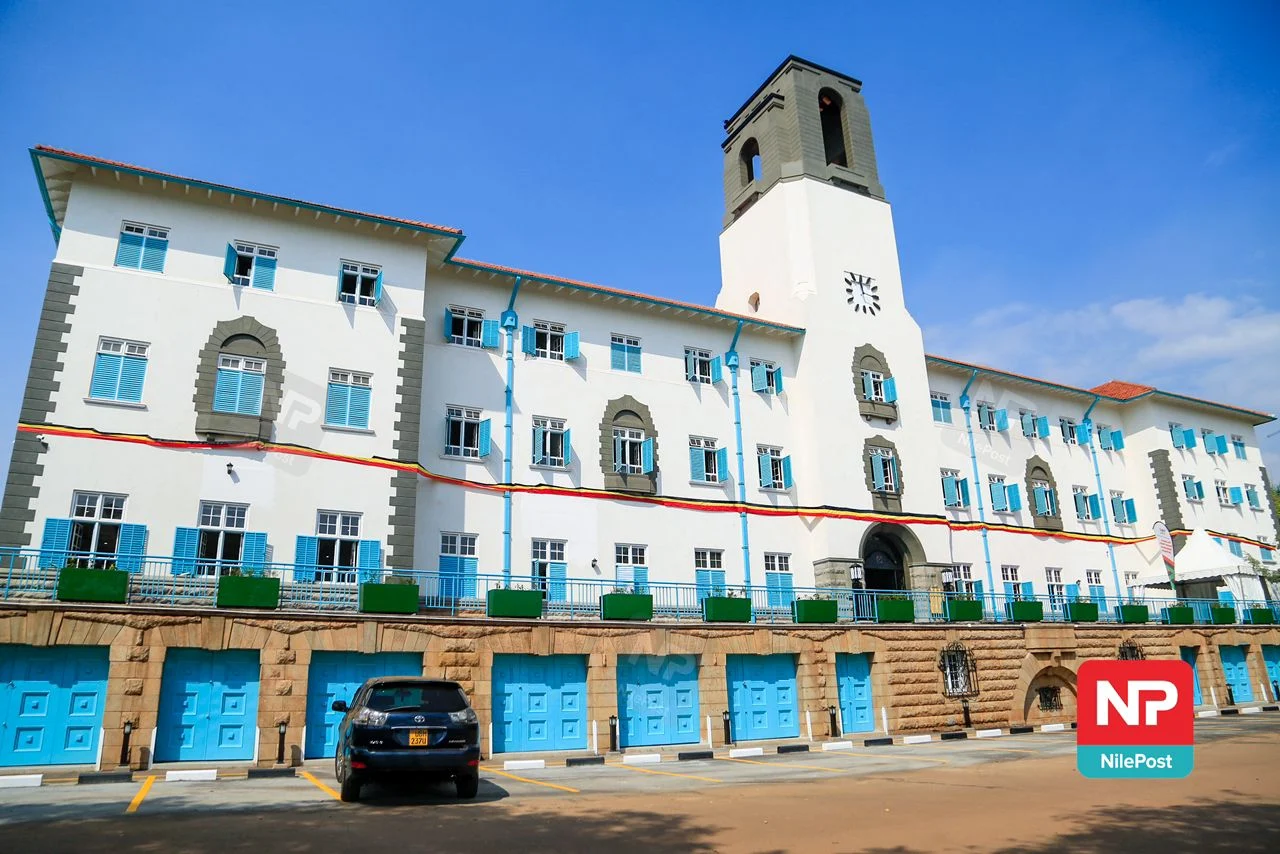 Makerere Withholds Transcripts Over Shs13bn DebtNile Post
 Police Recover Body of Kilembe SS Student Who Drowned in River NyamwambaNile Post
 Mukono school director held over alleged sodomising of seven pupils - Daily MonitorDaily Monitor
 Meteorologists Warn of El Niño Rains, Lightning Risks and Rising TemperaturesNile Post