
Rwanda: New Traceability Drive Seeks to Protect Horticulture Exports

What the report says
Rwanda is tightening traceability rules for horticulture exports after several costly rejections of chilli shipments in European markets, according to The New Times, distributed by AllAfrica. Exporter Robert Rukundo said five tonnes of chilli sent to Italy in March were rejected and destroyed, following a similar case in Switzerland in 2025. He and other industry figures said the losses highlight uncertainty over which farm inputs are being used and whether they meet the rules of the destination country.
The National Agricultural Export Development Board (NAEB) and the Rwanda Inspectorate, Competition and Consumer Protection Authority (RICA) are expanding a farm-coding system that links exported produce to the specific farms and packhouses where it was grown and handled. Officials said the goal is to track production history, monitor pest control, and identify whether pesticides or other inputs are approved in a particular market. The system is being extended to crops including avocado, French beans, fresh chilli and macadamia, alongside export compliance protocols for several products shipped to the EU and UK.
The article also notes Rwanda’s push to grow avocado exports, including work tied to a protocol for shipments to China and preparations for potential access to India. NAEB and RICA have identified key orchards, assigned codes and registered packhouses as part of that effort. More broadly, the move reflects a common export challenge in horticulture: meeting destination-specific phytosanitary and food-safety requirements before produce leaves the farm, rather than trying to solve compliance problems after a shipment is already rejected.
Loading debate for this article…
Other publishers covering this story
No additional verified coverage is currently clustered with this report.
Related reporting
 Animated map shows spread of illegal Israeli settlements across PalestineAl Jazeera
 Indonesia intensifies search for 129 people missing after ship capsizesAl Jazeera
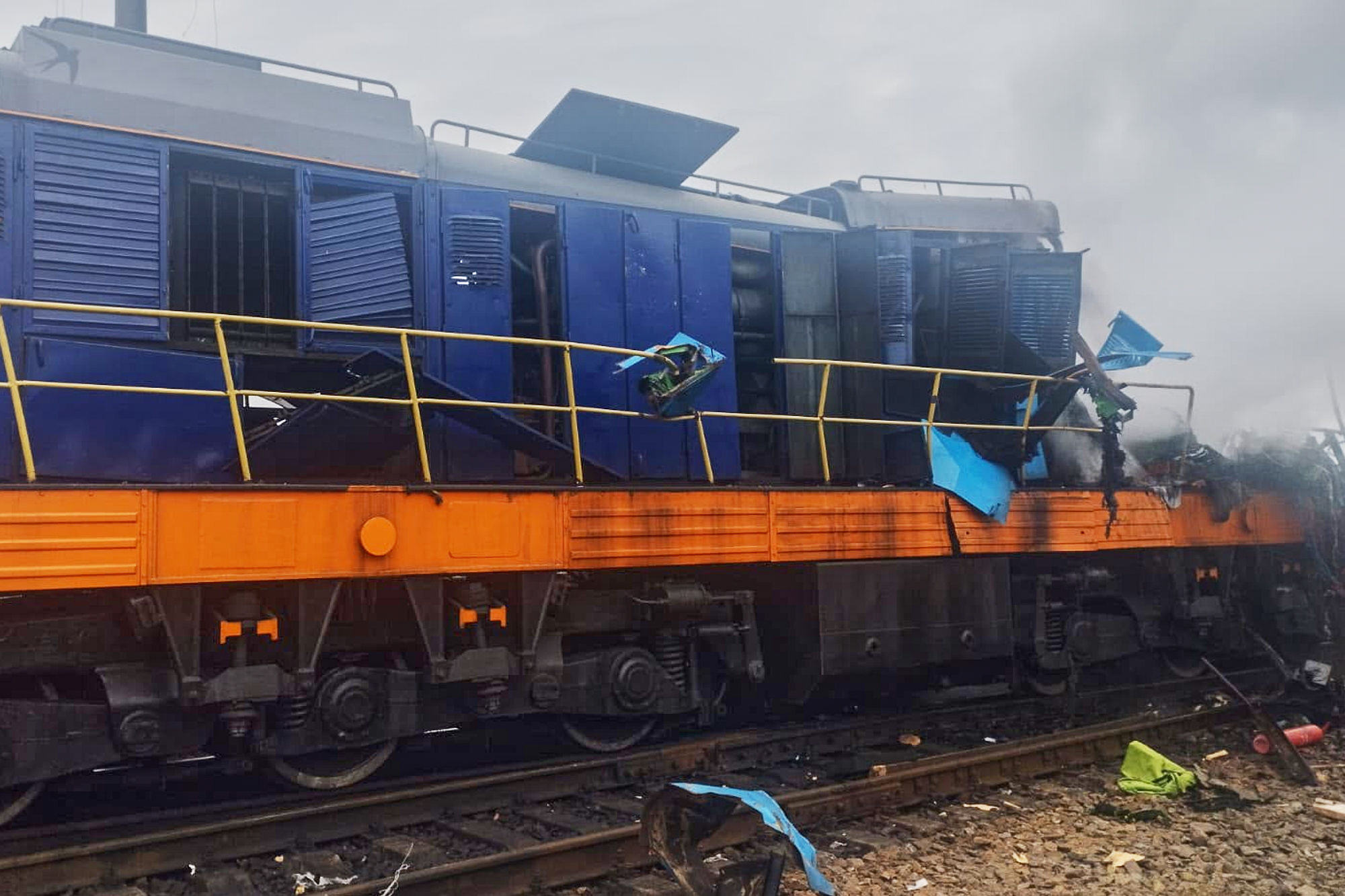 Russian drone hits train near Ukraine-Poland border soon after dignitaries passed throughNPR World
Russian drone hits train near Ukraine-Poland border soon after dignitaries passed throughNPR World
Russian drone hits train near Ukraine-Poland border soon after dignitaries passed throughNPR World
 Hyrox athlete sparks debate for continuing race after soiling herselfBBC World News
Somalia: Somali Pirates Release Hijacked Ship and 17-Member Crew After Ransom PaymentAllAfrica
Hyrox athlete sparks debate for continuing race after soiling herselfBBC World News
Somalia: Somali Pirates Release Hijacked Ship and 17-Member Crew After Ransom PaymentAllAfrica