NUP Marks Six Years of Growth from Grassroots Movement to Uganda’s Leading Opposition Party
What the report says
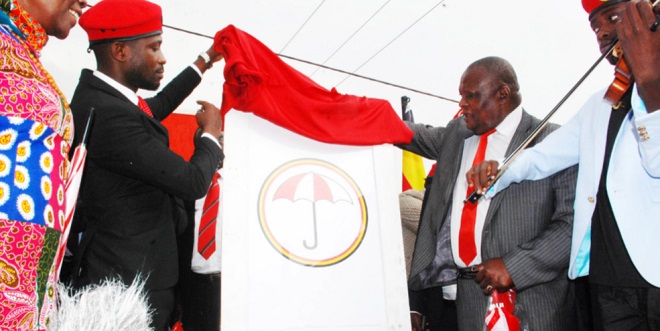
Nile Post reports that the National Unity Platform is marking six years since its emergence as a major political vehicle, growing from roots associated with the People Power movement into Uganda’s largest opposition party in Parliament. The outlet says the party’s current identity took shape in July 2020, when the National Unity, Reconciliation and Development Party, originally founded by Moses Nkonge Kibalama, was rebranded as NUP under Robert Kyagulanyi Ssentamu, widely known as Bobi Wine.
According to the report, that shift gave the People Power movement a registered party platform for nationwide electoral competition. NUP’s umbrella symbol and People Power message gained traction, especially among younger voters, and the party’s first major test came in the 2021 general election. Nile Post says NUP won more than 50 parliamentary seats, overtook the Forum for Democratic Change as the main opposition force, and took the Leader of the Opposition position in Parliament.
The report highlights NUP’s strength in the Central region, its volunteer-driven grassroots network and its use of digital platforms to reach supporters. It also notes contrasting assessments of the party’s development: supporters cite youth mobilisation, resilience and sustained public visibility, while critics question whether it can move from a protest-driven identity into a durable institution with broader policy capacity and stable internal structures.
As it enters its seventh year, Nile Post frames NUP’s central challenge as balancing grassroots expectations with the demands of parliamentary work and national leadership. The party’s rise is presented as a significant shift in Uganda’s opposition politics, shaped by youth engagement, digital mobilisation and public dissatisfaction with established political formations.
Loading debate for this article…
Other publishers covering this story
No additional verified coverage is currently clustered with this report.
Related reporting
 Youth With Disabilities Urge Government to Improve Healthcare and AccessibilityNile Post
 Masaka Court Gives NCHE Two Days to Explain Nambaziira’s Academic QualificationsNile Post
 Government reaffirms Shs 2bn pledge to South Africa returneesThe Observer
 Drama at Masaka High Court as Police Pursue Electoral Officer in Ssewungu Election CaseNile Post
 IGG Clears Works Ministry PS Bageya, Orders Interdiction of Roads CommissionerNile Post
 Government pushes drought-tolerant seed, irrigation as farmers face shifting weather - PML DailyPML Daily