July's full Buck Moon leads a mini planet parade through the summer sky tonight - Space
What the report says
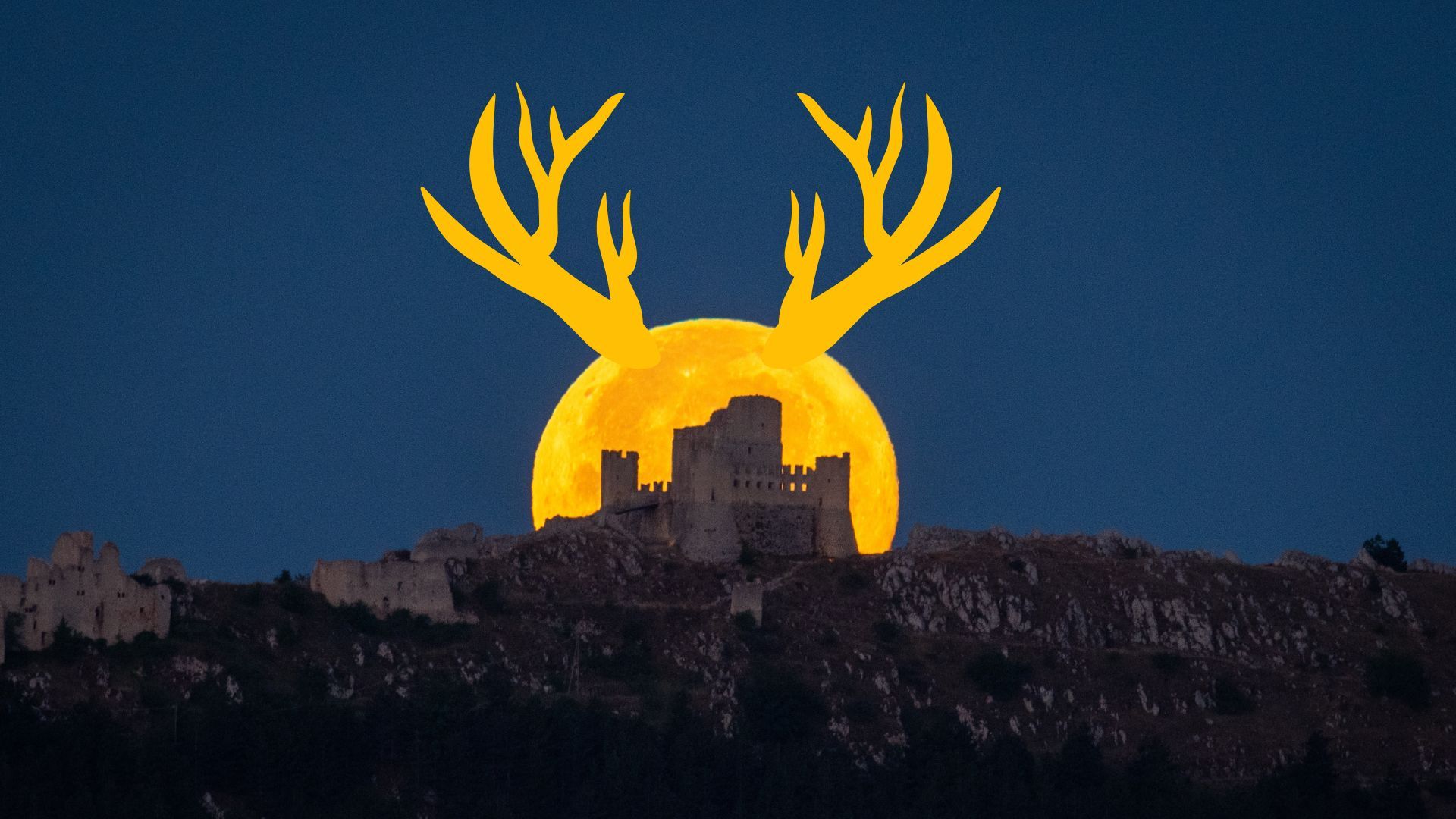
Space.com reported that July’s full “Buck Moon” reached its full phase at 10:36 a.m. EDT on July 29, 2026, or 1436 GMT, with the moon appearing fully lit for skywatchers that evening. The outlet advised observers to look toward the southeastern horizon around sunset as the moon rose into the summer sky, noting a correction that this was not the southwestern horizon.
The article said the full moon would be part of a small skywatching lineup involving several visible planets. Venus was expected to shine low in the west after sunset, while Saturn, Mars and Mercury would rise in the east and follow the moon across the sky into the early hours of July 30. Space.com described the event as a “mini planetary parade,” offering a notable opportunity for casual observers and astrophotographers.
Space.com also gave context for the moon’s traditional names. “Buck Moon” refers to the season when young male deer grow antlers, while the Old Farmer’s Almanac lists other names including Berry Moon, attributed to the Indigenous Anishinaabe people, and Thunder Moon, attributed to the Western Abenaki people.
The report explained that the moon might look unusually large near the horizon because of the Moon Illusion, a visual effect tied to perception rather than a real change in size. It could also appear yellow or orange when low in the sky as Earth’s atmosphere scatters bluer light. For closer viewing, the article suggested binoculars or a telescope, especially for seeing lunar seas, young crater rays and other surface features.
Loading debate for this article…
Other publishers covering this story
No additional verified coverage is currently clustered with this report.
Related reporting
 World leaders gathered for the annual BRICS summit. Here are the takeawaysNPR World
 Trump’s Supercharged Social MediaNew York Times World
 Jerusalem Daily: Pregnant woman killed in GazaAl Jazeera
 Can a warming Arctic become an important commercial highway?Al Jazeera
 India win Women’s Asia Cup but do not accept trophyAl Jazeera
 US Envoy Jared Kushner says Doha attack left Israel ‘globally isolated’Al Jazeera