
JASON MUGIZI: The Disenfranchised Parish: Why the LC2 Electoral College Must Fall

What the report says
Watchdog Uganda published an opinion article by Jason Mugizi arguing that Uganda’s current method of choosing Parish Local Council leaders, known as LC2, should be changed. The piece focuses on a long-standing feature of the Local Governments Act in which LC2 officeholders are selected through an electoral college made up of LC1 executive committee members, rather than by direct vote from all adult residents of the parish.
Mugizi says this arrangement conflicts with the spirit of Uganda’s 1995 Constitution and creates an uneven system of local democracy. He contrasts the LC2 process with other local government tiers, such as LC1, LC3 and LC5, where leaders are elected by universal adult suffrage. In his view, the parish-level system excludes ordinary voters, weakens equality in political participation, and undermines the idea that public power comes from the people.
The author also cites earlier Constitutional Court cases and uses them to support the argument that indirect electoral systems can create accountability gaps and distort democratic choice. He frames the parish vote issue as especially significant because parish leaders help oversee local administration, services and government programs at the grassroots level.
Mugizi calls on Parliament to amend the Local Governments Act so LC2 chairpersons would be elected directly by parish residents through secret ballot. The article presents this as a corrective step to align parish elections with other local government levels and to strengthen grassroots legitimacy in Uganda’s decentralized system.
Loading debate for this article…
Other publishers covering this story
No additional verified coverage is currently clustered with this report.
Related reporting
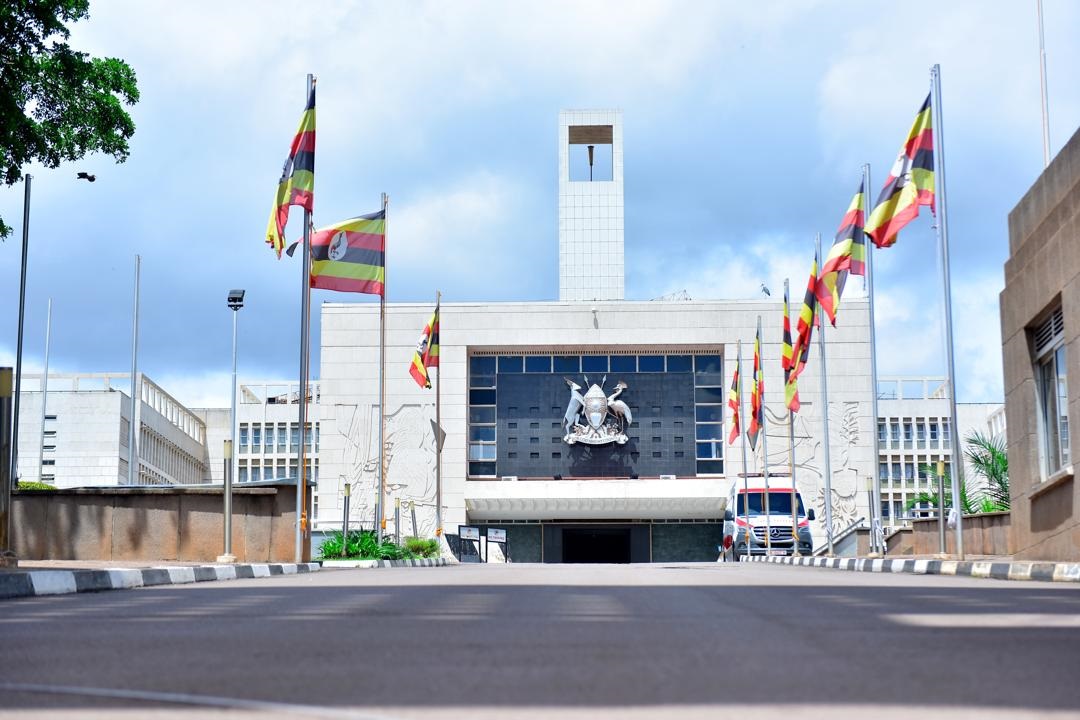 Parliamentary Commission Moves to Stop Public Funds Being Wired to Staff AccountsNile Post
 PLU Launches Busoga Signature Drive for Muhoozi’s 2031 Presidential BidNile Post
 Security Tightened at Luweero High Court Ahead of Election Petition HearingsNile Post
 Mukono High Court Starts Hearing Election PetitionsNile Post
 Nationality, Academic Qualifications, Tallying Errors Feature in Mbale Election PetitionsNile Post
 Court Sets Three-Day Hearing for Bukomansimbi Woman MP Election PetitionNile Post