
Israel is ‘disrupting entire ecosystems’, including Lebanon’s wheat crop

What the report says
Israel’s war on Lebanon has damaged wheat farming across parts of the country, with the heaviest impacts reported in the south and the Bekaa Valley, according to Al Jazeera. The report says repeated attacks since 2023 have destroyed farmland, homes and infrastructure, leaving more land uncultivated and disrupting farming communities that rely on wheat production.
Researchers and food security experts quoted by Al Jazeera said the losses have been especially severe in border and eastern farming areas. The article cites studies showing sharp declines in wheat-growing land in southern Lebanon and significant damage in the Bekaa plain, which is a major center of national wheat output. In some places, cropland has been entirely destroyed, while other areas have been left fallow because of insecurity and damage.
The report places these losses in the context of Lebanon’s wider economic crisis and broader regional pressures on food supplies. It notes that the earlier global spike in grain prices encouraged some domestic wheat planting, but war conditions have since reversed that trend. Experts told Al Jazeera that even if the damage does not dramatically change national supply overall, it has harmed small farmers most directly by reducing income and threatening their ability to remain on the land.
More broadly, the article argues that the conflict is affecting not only farms but local ecosystems and long-term rural livelihoods. It presents the destruction of agricultural land as a barrier to recovery even after fighting stops.
Loading debate for this article…
Other publishers covering this story
No additional verified coverage is currently clustered with this report.
Related reporting
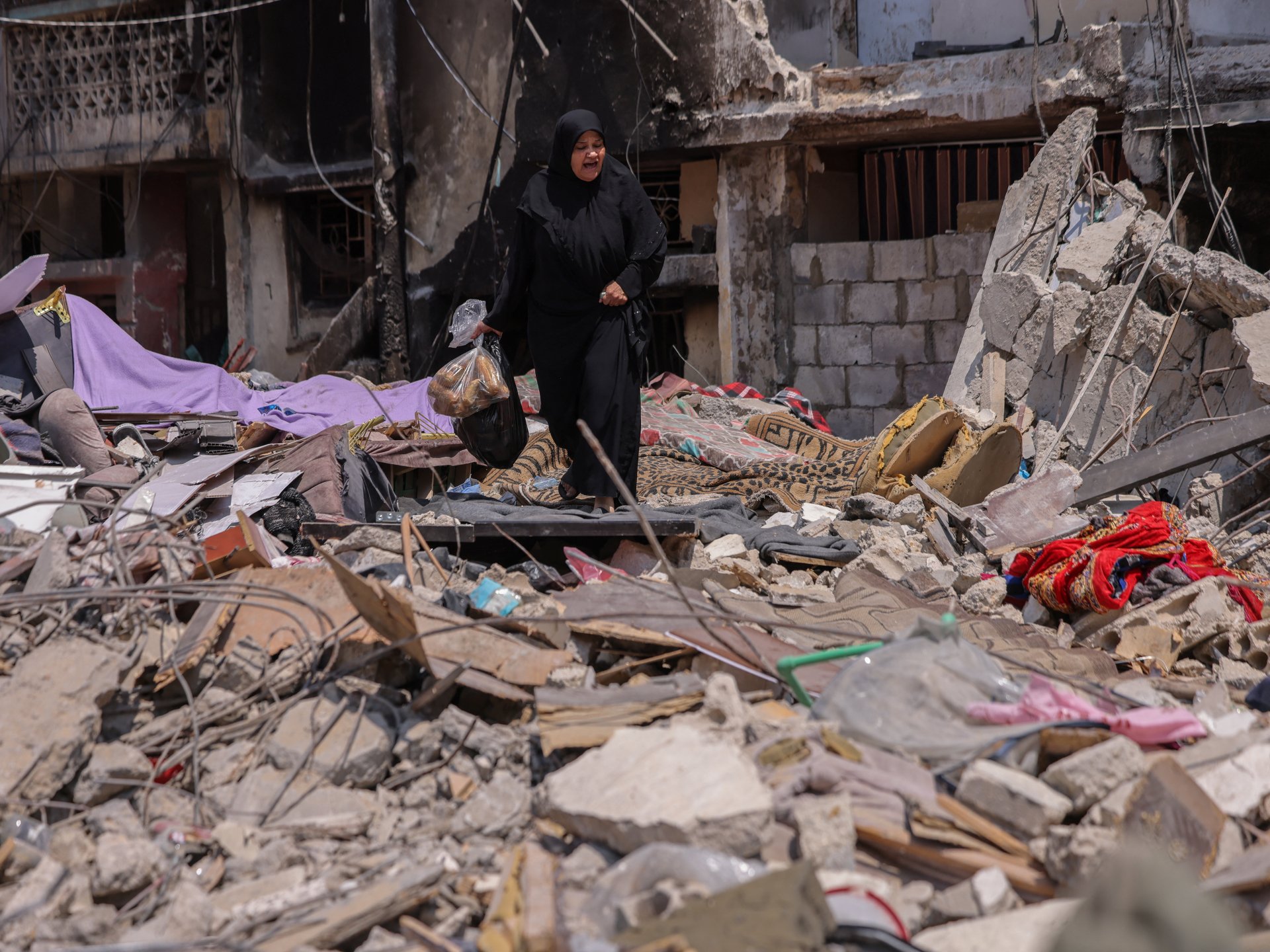 More than one million people in Lebanon face acute food shortages, UN saysAl Jazeera
 Will Sheikh Hasina return to Bangladesh?Al Jazeera
 Zohran Mamdani’s influence grows as Democrats eye 2028 strategiesAl Jazeera
 Ireland fears undersea cables face growing threat from ‘malign actors’Al Jazeera
 Russia’s ambassador to US, Alexander Darchiev, dies at 66Al Jazeera
 Missing 11-month-old baby found buried alive in a crate in South CarolinaBBC World News