Iran War Risk Pushes African Central Banks to Hold Rates Higher
What the report says
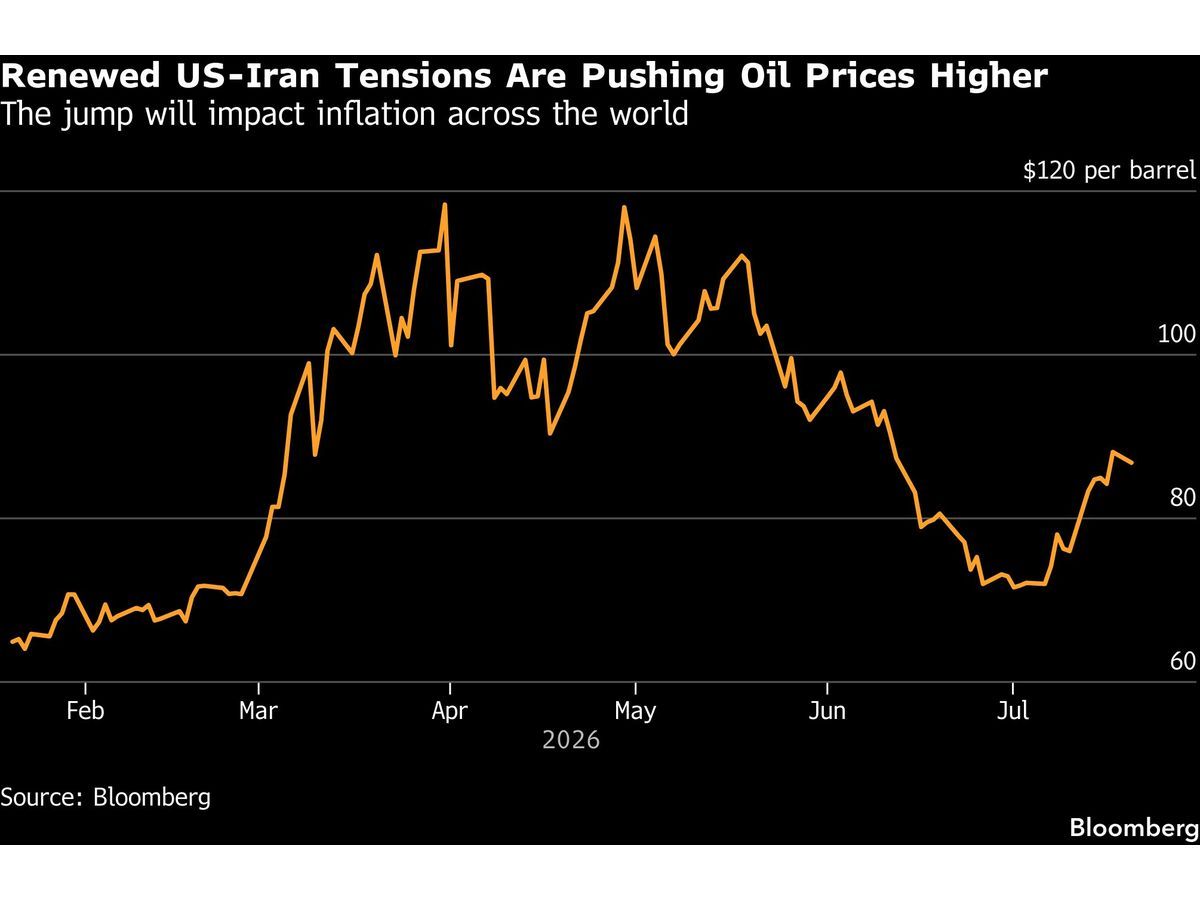
Financial Post, carrying a Bloomberg report, says African central banks are expected to keep monetary policy tighter for longer as renewed US-Iran hostilities revive inflation concerns. The report says the collapse of a truce and renewed closure of the Strait of Hormuz have lifted oil and fertilizer prices, a particular risk for African economies that import fuel and face pass-through into transport, food and broader prices.
At least 11 African central banks are due to announce rate decisions over the next three weeks, beginning with Nigeria, Ghana and South Africa and ending with Uganda on Aug. 13, according to the report. Analysts cited by Bloomberg expect Nigeria and Ghana to hold rates at 26.5% and 14%, respectively, despite earlier rate cuts this year. South Africa is forecast to raise its benchmark rate by 25 basis points to 7.25%, while Mozambique is expected to increase borrowing costs as inflation, foreign-exchange shortages and fiscal pressures mount.
The report says policy expectations have shifted from when central banks might resume easing to how long they must remain restrictive to contain inflation and support currencies. Sam Singh-Jami of Rand Merchant Bank said higher fuel costs are feeding into wider inflation dynamics, while Hasnain Malik of Tellimer said many regional central banks enter this shock with improved credibility after a period of prudent policy.
Other countries, including Malawi, Kenya, Mauritius and Uganda, are expected to keep rates unchanged while assessing inflation risks. The report also notes that South Africa’s decision may influence Eswatini, Lesotho and Namibia, whose currencies are linked to the rand.
Loading debate for this article…
Other publishers covering this story
No additional verified coverage is currently clustered with this report.
Related reporting
 NATHAN WERE: The shilling will not be saved by the Central Bank alone - PML DailyPML Daily
 Something for you in cinemaThe Observer
 Bank of Uganda raises key interest rate as inflation risks mountThe Observer
 Uganda eyes global events marketThe Observer
 Behind Bars: KCCA officials remanded over Munyonyo land grabThe Observer
 Uganda’s $3.95bn Gold Exports Raise Questions Over Revenue, Local BenefitsNile Post