Inside the ‘America First’ makeover of a global hunger program
What the report says
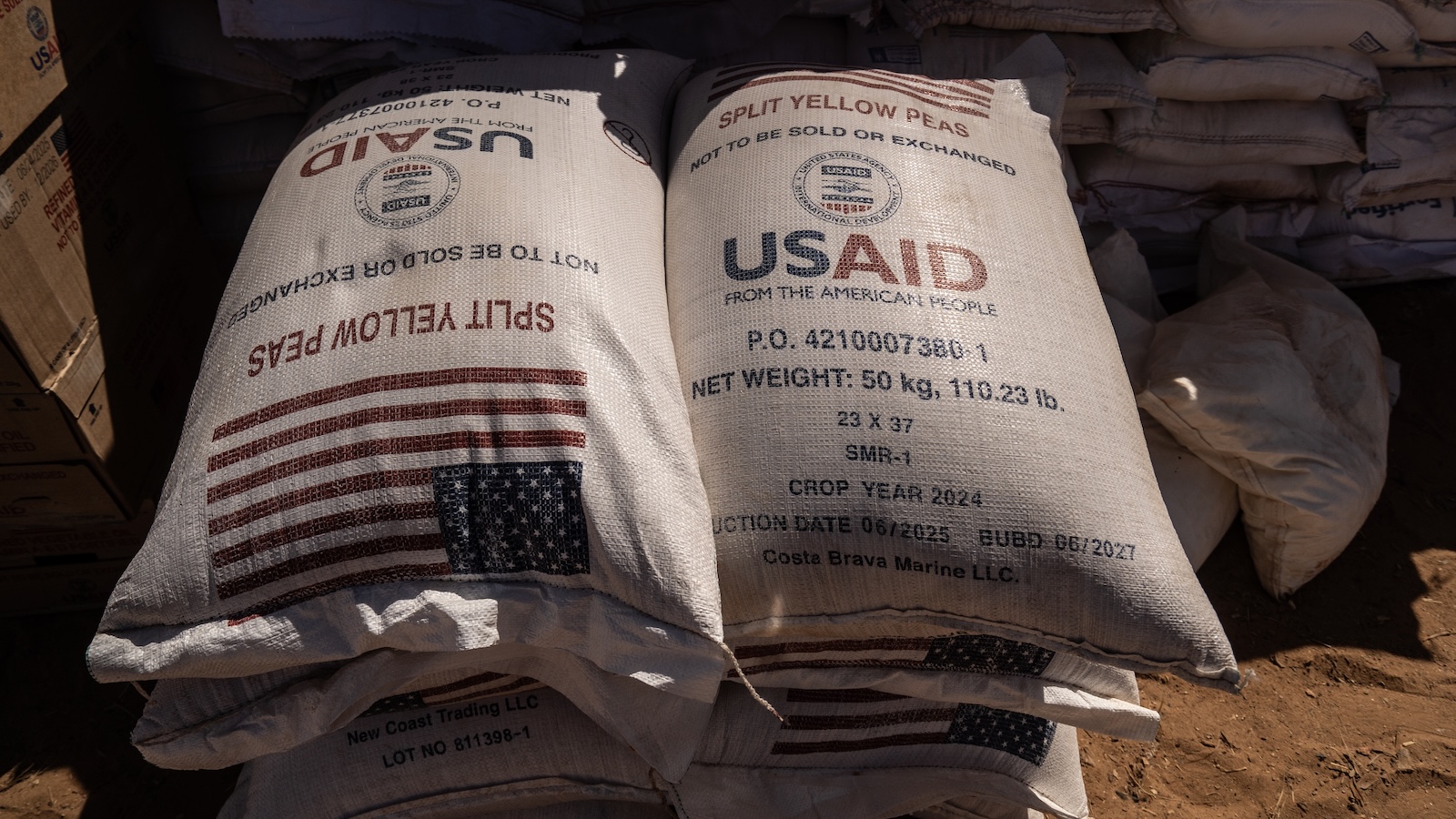
Grist reports that the Trump administration’s overhaul of USAID’s Feed the Future Innovation Labs has disrupted a long-running agricultural research network that linked U.S. universities with overseas partners to address hunger, crop disease and climate-related risks. The article centers on Bassirou Sani Boubacar Gaoh, a plant breeder in Niamey, Niger, whose Penn State-linked project began in November 2024 to help farmers monitor and control pests affecting staple crops such as millet, rice and sorghum.
According to Grist, Boubacar Gaoh’s team was training farmers to use tools including PlantVillage, an AI-powered pest and disease forecasting platform, and was preparing to deploy natural predators against the millet head miner, a moth that can severely damage pearl millet. The work stopped after President Donald Trump issued a January 24, 2025 stop-work order affecting nearly all overseas USAID programs. Grist says most of the 17 core Innovation Labs later received termination notices, leaving Boubacar Gaoh’s Niger team disbanded except for his part-time continuation through a donor stipend.
The article says the White House later characterized the canceled spending as wasteful and politically driven, while questions arose because Congress had appropriated the funds; Grist reports the Supreme Court ultimately found the president had discretion to withhold them. One lab at Kansas State University was allowed to continue and later rebranded.
Grist also reports that the State Department issued a new March call for Feed the Future Innovation Lab proposals, with roughly five to seven awards expected at $20 million to $40 million. Former USAID officials and lab leaders told Grist they fear the redesigned program may shift emphasis away from lower-income African regions toward countries in the Western Hemisphere, even as food insecurity and climate stress remain major concerns across Africa.
Loading debate for this article…
Other publishers covering this story
Related reporting
 346 election petitions set for marathon hearing - Daily MonitorDaily Monitor
 King Oyo Laid to Rest at Karambi Royal Tombs in Fort Portal CitySoftPower News
100 judicial officers deployed to hear 346 election petitions - PML DailyPML Daily
King Oyo Laid to Rest at Karambi Royal Tombs in Fort Portal CitySoftPower News
100 judicial officers deployed to hear 346 election petitions - PML DailyPML Daily
 News Profile: Calvin Armstrong Rwomiire Akiiki – The Tooro Premier Steering the Kingdom Through Grief and TransitionWatchdog Uganda
 King Oyo’s hidden cancer battle: From unexplained pain to final treatment in DallasSqoop Uganda
 Ageing Soroti Hospital needs urgent replacementThe Independent Uganda