
India is a nation of walkers - but its cities forgot them
What the report says
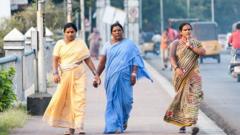
India’s Supreme Court has brought renewed attention to the safety of footpaths and the risks faced by pedestrians in the country’s cities, according to BBC World News. The court said in June that the right to walk safely on designated footpaths is a fundamental right, a ruling prompted by a case involving a five-year-old boy who was killed when a truck struck him while he was walking to school with his father.
The BBC says the judgment lands in a country where walking remains a major form of travel. Using census-based estimates and other surveys cited in the article, it notes that about 45 million people walk to work each day, and that pedestrians make up the largest share of urban road users in many cities. Yet pavements are often broken, blocked, too narrow, or absent altogether, with people forced into traffic by parked vehicles, construction, utility works or poor design. The piece highlights that women, children, older people and people with disabilities are especially affected.
The report also says the problem is tied to broader urban planning choices that have long favored cars, flyovers and expressways over pedestrian access. It cites researchers and campaigners who argue that many city footpaths are technically present but unusable because of weak maintenance and governance. The article says the issue matters not only for safety but also for public health, mobility and equality, since many of the people most dependent on walking are those least able to afford private transport.
Loading debate for this article…
Other publishers covering this story
No additional verified coverage is currently clustered with this report.
Related reporting
 Ebola spreads in DR Congo, putting neighbouring nations at riskAl Jazeera
 An unexpected welcome: Syrian Kurds return to their homes in AfrinAl Jazeera
 Republic of Ireland news conference delayed before controversial Israel gameBBC Sport Football
 Israel bans Arab parties from election: Who they are, why it mattersAl Jazeera
 Virat Kohli says he will retire from India cricket after 2027 World CupAl Jazeera
 ‘Super El Niño’ deepens hunger crisis in South Sudan says UNFrance24 Africa