How will the US-Iran war end?
What the report says
The Independent Uganda published a commentary by Simon Johnson and Amir Kermani arguing that the US-Iran conflict is unlikely to end through pressure alone and that any durable settlement would need China’s involvement. The piece says Washington’s new “economic D-Day” campaign to isolate Iran has not produced de-escalation, while Tehran remains unwilling to surrender and the US is not expected to launch a full-scale invasion.
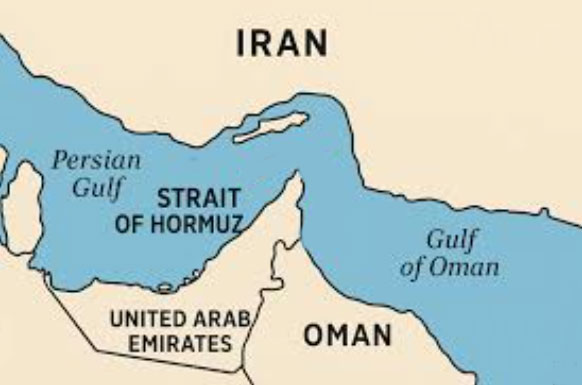
The authors say China is the key external player because of its trade ties with Iran and its influence over global supply chains. They argue that US threats toward Beijing are limited by China’s leverage in critical minerals, which are important for chips and other technology sectors. The commentary also notes that a June ceasefire and memorandum of understanding between the US and Iran have not yet translated into real peace, with tensions still affecting movement through the Strait of Hormuz.
According to the article, the wider Middle East has absorbed much of the economic cost, while oil markets and regional states have adjusted to prolonged disruption. It says countries such as Saudi Arabia, Qatar and the UAE are seeking more varied security arrangements and greater regional diplomacy. The authors contend that a lasting solution would require more economic integration in the region and some way of incorporating Iran’s nuclear program into a civilian power framework, potentially linked to China-led development. They point to an expected visit by Chinese President Xi Jinping to Washington as a possible opening for broader talks.
Loading debate for this article…
Other publishers covering this story
No additional verified coverage is currently clustered with this report.
Related reporting
 How Netanyahu Used Fear, Again, to Win More Votes Than Anyone ElseNew York Times World
 With No Clear Winner, How Could Israel Get a Prime Minister?New York Times World
 Mozambique: Over 300 Cases of Stroke Recorded in NampulaAllAfrica
East Africa: CMA CGM Launches a New Dedicated Rail Service in Kenya, Strengthening Its Presence in East AfricaAllAfrica
 Why Michigan could decide the future of Trump’s presidencyAl Jazeera
 Nigeria: FEC Approves System to Coordinate Humanitarian Aid, Poverty ReductionAllAfrica