
How to avoid the worst of the Italian heat
What the report says
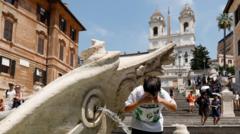
Italy is facing a severe heatwave, with the health ministry issuing a red alert for all 27 of the country’s major cities, including Rome, Milan, Venice and Naples, as temperatures rise to levels described as dangerous for health and wellbeing. In response, the BBC spoke with tourism and heritage experts about practical ways for visitors to reduce exposure to the hottest parts of the day while still seeing the country’s best-known sights.
The guidance centers on timing and location. Experts urged travelers to avoid outdoor attractions after lunchtime, when heat is strongest, and to consider evening openings now available at some major landmarks in August. The Colosseum in Rome, the Pantheon and Milan’s Sforza Castle are among the sites with extended hours. At the Colosseum, staff have added misting fans at entrances and increased medical support, while local officials and guides say climate change is making extreme heat a more regular feature.
The piece also points readers toward cooler alternatives, including air-conditioned museums, churches, bookshops, cinemas, underground catacombs, parks and supermarkets. Several guides recommended early starts, pre-booking tickets, taking boat trips where possible, and choosing less crowded local cultural venues in smaller cities. Others suggested indoor activities such as cooking classes, wine tasting or a visit to historic theaters and opera houses.
The advice matters because Italy is in the middle of Europe’s holiday season, when visitor numbers are high and heat exposure can affect both safety and travel plans. The article presents the recommendations as local knowledge from people working in tourism, not as official travel rules.
Loading debate for this article…
Other publishers covering this story
No additional verified coverage is currently clustered with this report.
Related reporting
 Ebola spreads in DR Congo, putting neighbouring nations at riskAl Jazeera
 An unexpected welcome: Syrian Kurds return to their homes in AfrinAl Jazeera
 Republic of Ireland news conference delayed before controversial Israel gameBBC Sport Football
 Israel bans Arab parties from election: Who they are, why it mattersAl Jazeera
 Virat Kohli says he will retire from India cricket after 2027 World CupAl Jazeera
 ‘Super El Niño’ deepens hunger crisis in South Sudan says UNFrance24 Africa