Government Moves to Cut Smartphone Taxes, Expand Innovation Hubs to Drive Digital Economy
What the report says
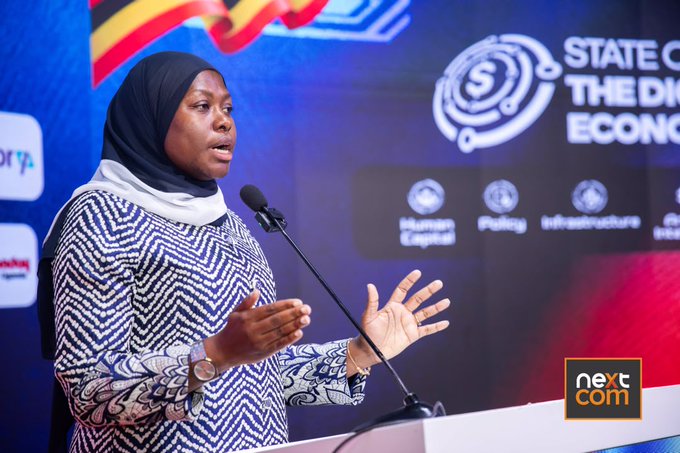
Nile Post reported that Uganda’s government is preparing measures intended to widen participation in the digital economy, including lower taxes on entry-level smartphones, more regional innovation hubs, and completion of policy frameworks for artificial intelligence and business process outsourcing. The outlet said ICT and National Guidance Permanent Secretary Dr Aminah Zawedde outlined the plans in Kampala at the third State of the Digital Economy conference, held at Next Media Park under the theme of turning connectivity into opportunity.
According to the report, Zawedde said the ICT Ministry is working on a proposal to reduce taxes on affordable smartphones, with young people identified as a key group affected by device costs. The discussion followed comments by Next Media Group CEO Kin Kariisa, who argued that Uganda should move from focusing mainly on internet access to using connectivity to create income, jobs and exportable services. Uganda Communications Commission official Haruna Musinguzi and Parliament ICT Committee chair Andrew Ojok Oulanyah were also cited as urging that digital infrastructure, policy and AI governance translate into benefits for citizens.
Nile Post said the government also plans to expand innovation centres beyond Kampala, including at Lira University, Mountains of the Moon University and in Gulu. Zawedde also said Uganda’s National Artificial Intelligence Strategy is close to completion, while Cabinet has approved a Business Process Outsourcing Policy aimed at supporting digital jobs and positioning the country for outsourced services.
The report added that government is reviewing its Digital Transformation Roadmap, which covers areas such as infrastructure, public services, cybersecurity, data protection, digital skills, innovation and entrepreneurship. The announcements matter because they point to a shift from basic connectivity targets toward affordability, regional access, skills and regulation as Uganda seeks broader economic gains from digital technology.
Loading debate for this article…
Other publishers covering this story
No additional verified coverage is currently clustered with this report.
Related reporting
 Youth With Disabilities Urge Government to Improve Healthcare and AccessibilityNile Post
 Masaka Court Gives NCHE Two Days to Explain Nambaziira’s Academic QualificationsNile Post
 Government reaffirms Shs 2bn pledge to South Africa returneesThe Observer
 Drama at Masaka High Court as Police Pursue Electoral Officer in Ssewungu Election CaseNile Post
 IGG Clears Works Ministry PS Bageya, Orders Interdiction of Roads CommissionerNile Post
 Government pushes drought-tolerant seed, irrigation as farmers face shifting weather - PML DailyPML Daily