
Ghana: How Do Teens Living With Disabilities in Ghana View Their Future? We Asked Them to Show Us
What the report says
AllAfrica republished a Conversation Africa analysis on 29 July 2026 by Mary Asirifi examining how adolescents living with disabilities in Ghana describe their lives and future prospects. The article notes that about 8% of Ghana’s population is disabled and says many disabled people are adolescents, in a country with a large youth population. It argues that their experiences are often overlooked and shaped by stigma, including beliefs that disability is linked to curses, witchcraft or family wrongdoing.
Asirifi, an assistant professor in nursing foundations at MacEwan University, said she was part of an interdisciplinary team that studied 54 Ghanaian adolescents aged 10 to 19 with hearing, visual and physical disabilities. The group included 22 participants with hearing impairments, 23 with visual impairments and nine with physical disabilities; most had been disabled since birth. Researchers used a photovoice approach, asking participants to use or select images to express their experiences.
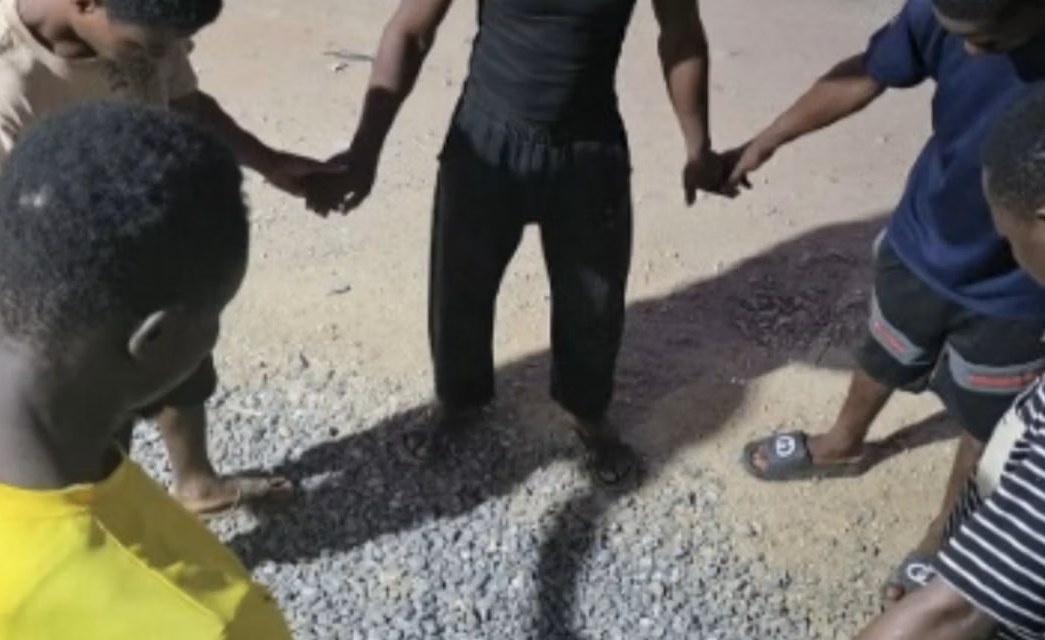
The study identified three broad themes: adversity, resilience and social support. Participants used images such as darkness, wood logs, a stick on the ground, sand heaps and a coconut tree to communicate feelings of burden, exclusion, exploitation, bullying and uncertainty about the future. Some accounts included distress, low self-worth and thoughts of self-harm. Others pointed to sources of resilience, including churches and group meetings where participants felt accepted, safe and able to share coping strategies.
The analysis says the findings support culturally appropriate interventions that give disabled adolescents a stronger voice in decisions affecting them. It cites Uganda’s Obuntu Bulamu peer-support model as an example of a programme built around belonging, shared responsibility and support among children, parents, teachers, rehabilitation workers and academics.
Loading debate for this article…
Other publishers covering this story
No additional verified coverage is currently clustered with this report.
Related reporting
 French TV programme pulled after actress speaks out on GazaAl Jazeera
 West Africa: BYRM Hits 555 Points As Rally Extends Into SeptemberAllAfrica
Sudan: Fuel Prices Rise As Shortages Deepen Across SudanAllAfrica
West Africa: BYRM Hits 555 Points As Rally Extends Into SeptemberAllAfrica
Sudan: Fuel Prices Rise As Shortages Deepen Across SudanAllAfrica
 Trump downplays AI risks after dire expert warnings and calls to slow development downBBC World News
 Ukrainian drone evades Russian helicopter fire to strike oil tankerAl Jazeera
 Kosovo approves new government after months of political deadlockAl Jazeera