Fuel hikes threaten Central bank inflation target
What the report says
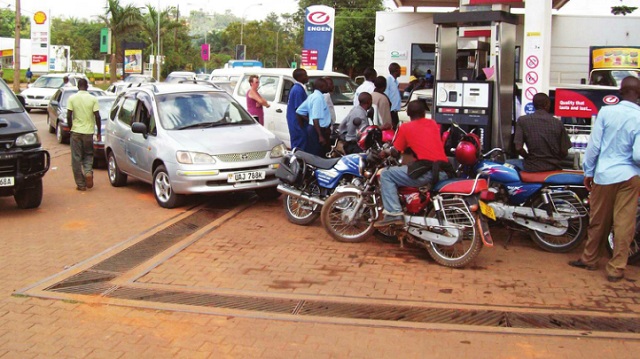
The Independent Uganda, citing URN and Uganda Bureau of Statistics data, reported that higher fuel prices were a major driver of rising consumer prices in Uganda in the second quarter of 2026. Petrol and diesel were said to be fluctuating between about 6,300 and 6,700 shillings per litre, well above the roughly 5,000 shillings per litre average in Kampala before supply disruptions began around the end of February.
According to the report, annual inflation rose to 3.7% by the end of June 2026, after moving from 2.9% in March to 3% in April and 3.2% in May. UBOS figures cited by the publisher showed energy, utilities and fuel inflation increasing to 11.9% in June from 9.1% in May. Fuel inflation rose more sharply, reaching 26.2%, while diesel inflation was reported at 37.3%.
The fuel increases also fed into transport costs, with passenger fares rising at an annual rate of 11.9% by June, compared with 9.9% a month earlier. The article said bus and taxi operators on many routes raised fares as they tried to offset higher operating costs. Food inflation was described as broadly stable, helped by price declines for matooke, dry beans, carrots and onions, despite higher beef and rice prices.
The development matters because inflation, while still below the Bank of Uganda’s medium-term 5% target, is moving upward. The central bank kept its policy rate at 9.75%, and Governor Michael Atingi-Ego was reported as warning that weather shocks and geopolitical tensions affecting oil supply routes could add further pressure.
Loading debate for this article…
Other publishers covering this story
No additional verified coverage is currently clustered with this report.
Related reporting
 Kampala Creme Returns for Sesaon 4 With Three New FacesWatchdog Uganda
 BLOG: Kampala on a Rainy Day: The City Carefully Tastes your Patience and your Pockets - ChimpReportsChimpReports
 Reach A Hand Africa premieres ‘Balance the Boat’ docufilmThe Independent Uganda
 Power Blackouts: Is UEDCL seated on a good cache of resources?The Independent Uganda
 Bill to change election of opposition leader gazettedThe Independent Uganda
 Enjuba Spelling Bee Final Set for Saturday as 353 Pupils CompeteNile Post