Few people have the courage to acknowledge error and the wisdom to seek peace
What the report says
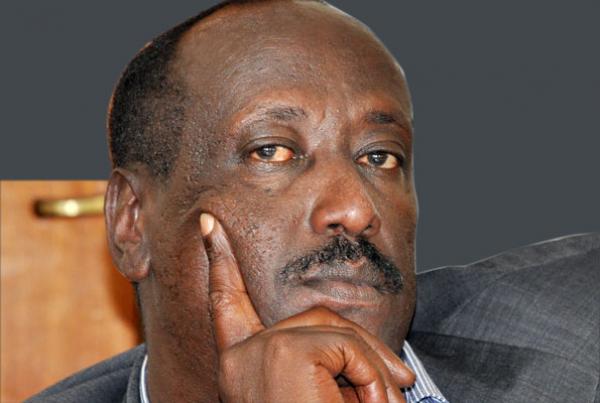
The Independent Uganda published a commentary by Crispin Kaheru arguing that Gen. Salim Saleh’s recent public support for reconciliation reflects ideas he has expressed for years. The piece points to Saleh’s Tarehe Sita statement of 6 February 1999, which the author says emphasized humility, admitting error, forgiveness and starting again. Kaheru presents this as evidence that Saleh’s current posture is not a new political tactic, but part of a longer-held view of leadership.
The article also revisits Saleh’s past role in peace efforts, including his move to Gulu in 2002 during the insurgency in northern Uganda to support negotiations with the Lord’s Resistance Army. More recently, the commentary says, Saleh spoke on Friday, 30 October 2026, to parliamentarians at Kapeeka about reconnecting with his former colleague Dr Kizza Besigye and helping secure medical attention for him. The author uses that example to ask why younger Ugandans should inherit unresolved conflicts from earlier political generations.
Beyond the immediate episode, the commentary distinguishes between forgiveness, reconciliation and legal accountability, arguing that these are different but compatible processes. It also situates Saleh’s thinking within broader debates about poverty, political accommodation and national reconciliation in Uganda. The broader context, as the article frames it, is that leaders can remain accountable while still seeking dialogue and coexistence rather than permanent political hostility.
Loading debate for this article…
Other publishers covering this story
No additional verified coverage is currently clustered with this report.
Related reporting
 Court to rule on Mawogola county election petition on December 19 - Daily MonitorDaily Monitor
 Gen Muhoozi Releases Retired Brig Gen Bakahumura, Vows to Repair Broken RelationsWatchdog Uganda
 Government Launches E-Waste Management Campaign in LiraNile Post
 Mbale Christians Celebrate Election of New BishopNile Post
 Masaka City Leaders Clash Over Garbage CollectionNile Post
 MP Ogwal Commends Agwata Leaders for Embracing National Cleaning DayDokolo Post