Dr. Ayub Mukisa: Karamoja: Why Development Interventions Must Start by Listening to the People
What the report says
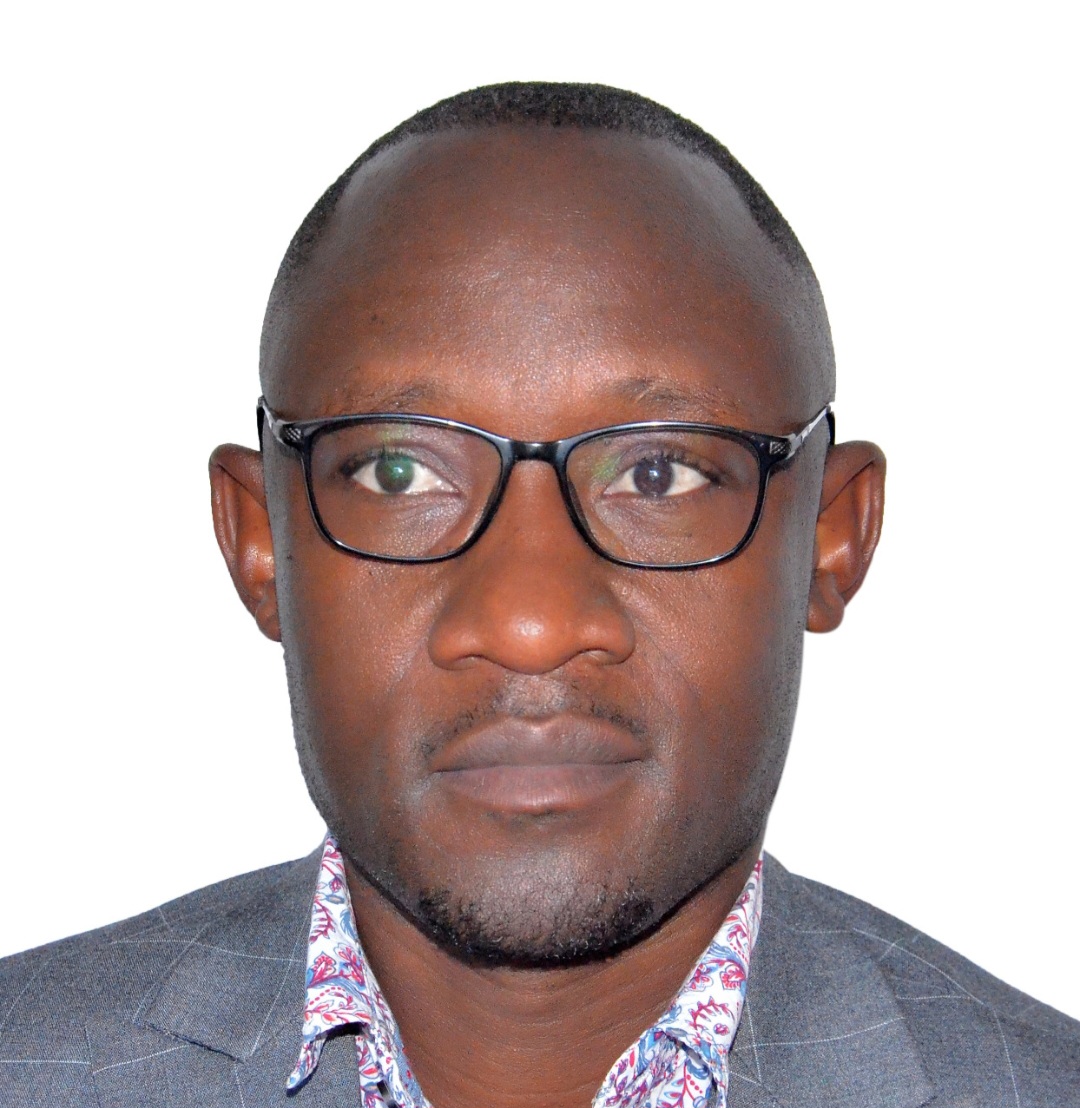
Dr. Ayub Mukisa, writing for the Karamoja Anti-Corruption Coalition (KACC) through its Department for Critical Thinking and Alternative Analysis, argues that development work in Karamoja should be built around the views and lived experience of local communities. The Watchdog Uganda opinion piece says the region faces long-running, interconnected pressures including drought, poverty, food insecurity, livestock losses, weak services and difficult access to natural resources.
Mukisa says these problems cannot be addressed with quick fixes or one-size-fits-all projects. Instead, he calls for interventions that begin by asking residents what is working, what is failing and what changes they want. He also says development decisions should not be made only by officials, researchers, NGOs or international organizations, but should include men and women living in manyatta homesteads as active participants.
The article frames this as a response to what it describes as the broader “Karamoja question”: the persistence of poor living conditions despite multiple funded projects. In that sense, the piece is less a report on a new program than a call for a different development approach. It places KACC’s analysis in the context of earlier scholarly work on Karamoja, including references to Mahmood Mamdani, while arguing that listening to local priorities is essential if future efforts are to be effective.
Loading debate for this article…
Other publishers covering this story
No additional verified coverage is currently clustered with this report.
Related reporting
 Govt starts profiling fish farmers to revitalise aquaculture sector - Daily MonitorDaily Monitor
Rose Nabusimba: Head teacher who dresses like her pupils - Daily MonitorDaily Monitor
When sovereignty becomes expensive: who is paying the price of the falling shilling? - Daily MonitorDaily Monitor
Govt starts profiling fish farmers to revitalise aquaculture sector - Daily MonitorDaily Monitor
Rose Nabusimba: Head teacher who dresses like her pupils - Daily MonitorDaily Monitor
When sovereignty becomes expensive: who is paying the price of the falling shilling? - Daily MonitorDaily Monitor
 Buganda Youth Day Committee Launched Ahead of November CelebrationsNile Post
Nabusimba: Head teacher who dresses like her pupils - Daily MonitorDaily Monitor
Govt suspends operations of Uganda Driving Standards Agency pending investigations - Daily MonitorDaily Monitor
Buganda Youth Day Committee Launched Ahead of November CelebrationsNile Post
Nabusimba: Head teacher who dresses like her pupils - Daily MonitorDaily Monitor
Govt suspends operations of Uganda Driving Standards Agency pending investigations - Daily MonitorDaily Monitor