
‘Better deal’: What’s behind Trump’s rejection of Iran’s truce offer?

What the report says
US President Donald Trump has rejected Iran’s latest proposal to end the conflict and reopen the Strait of Hormuz, signaling that Washington is not ready to accept Tehran’s terms, according to Al Jazeera’s report published September 27, 2026. The offer reportedly included steps such as easing the naval blockade, lifting sanctions on Iranian oil sales, releasing frozen Iranian assets and moving toward a broader regional ceasefire. Iran’s foreign minister said the proposal had been seen through mediators, but no full response had arrived. Qatar has been involved in mediation alongside talks connected to the UN General Assembly in New York.
The article says Trump’s stance reflects a belief that sustained economic pressure will force Iran to make more concessions. Experts quoted by Al Jazeera argued that sanctions, the blockade and related restrictions are intended to increase leverage rather than prompt an immediate compromise. The US has also recently expanded aviation and financial pressure on Iran, adding to the strain on Iranian trade and revenue.
At the same time, analysts warned that waiting for a better bargain could backfire politically and economically. With US midterm elections approaching, higher fuel costs, continued disruption to shipping, and the possibility of further escalation in the region could create pressure on the Trump administration as well. The piece frames the dispute as a test of which side can endure longer, with both Tehran and Washington publicly leaving room for diplomacy while remaining far apart on sequencing and concessions.
Loading debate for this article…
Other publishers covering this story
No additional verified coverage is currently clustered with this report.
Related reporting
 South Africa shootings leave 27 killedFrance24 Africa
 Femicides on the rise in South AfricaFrance24 Africa
 US installation commemorates victims of South African ‘white genocide’Al Jazeera
 Ethiopians celebrate Meskel and call for peace amid fightingAl Jazeera
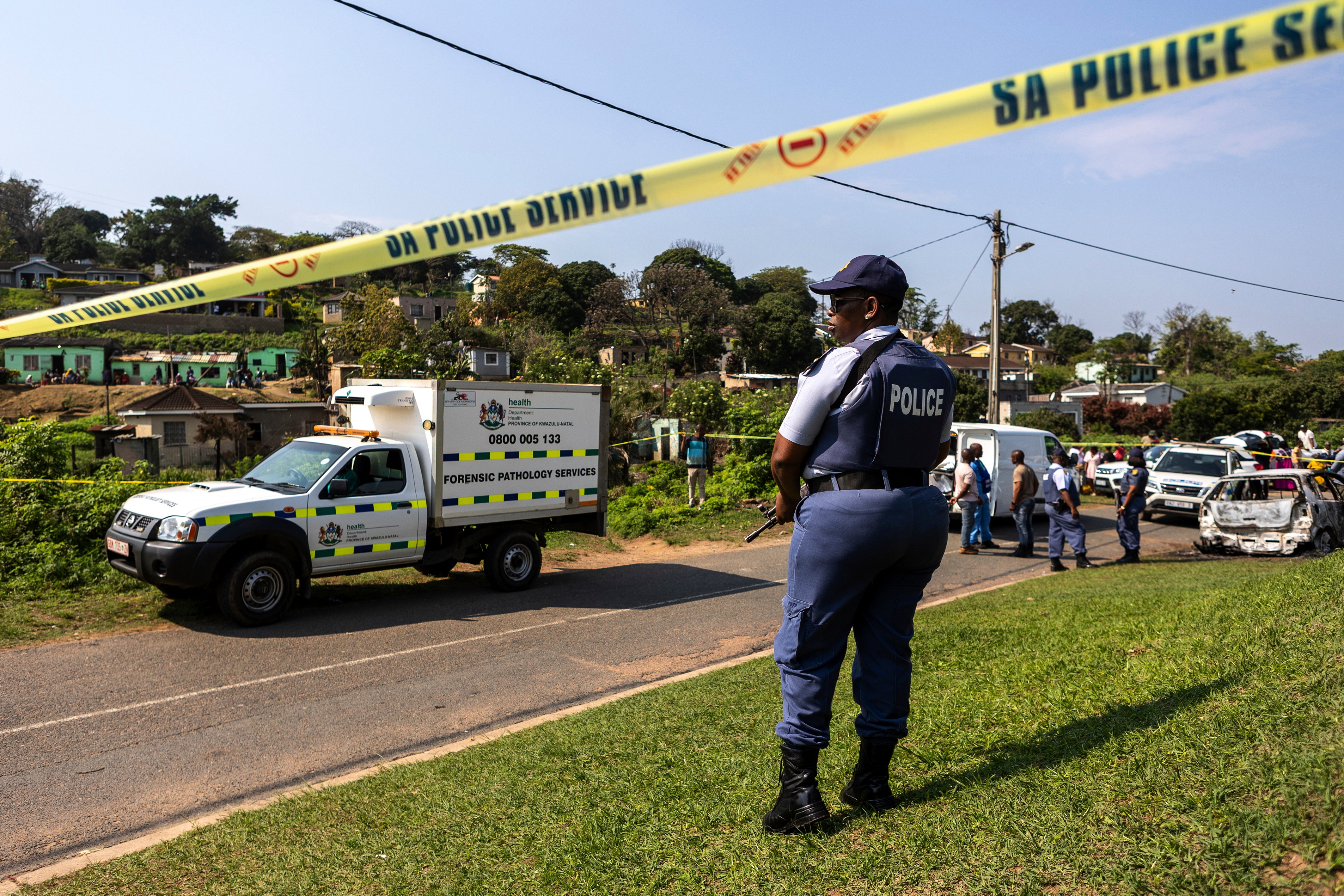 South Africa reels from spate of mass shootings that killed 38 people in a weekNPR World
 Iran Seeks U.S. Clarification After Trump Rejects Cease-Fire ProposalNew York Times World