
Australia is the planet's extinction hotspot, but one animal offers a glimmer of hope
What the report says
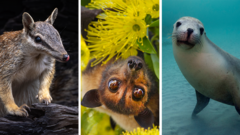
BBC World News reports that Australia is widely viewed as a global extinction hotspot, with many of its native plants and animals under pressure from habitat loss, invasive species, disease and climate change. The article frames the country’s biodiversity crisis through the story of the numbat, a small marsupial that once ranged widely but now survives in only a few places, including Dryandra Woodland in south-western Western Australia.
Researchers and volunteers there are tracking the animal’s recovery through annual field surveys, predator control and breeding efforts. The BBC says numbats have improved enough to be removed from an international threatened-species list this month, offering a rare conservation success in a country where scientists and campaigners say the wider trend remains alarming. The article notes that many other species, including Carnaby’s cockatoo, Gilbert’s potoroo and the Australian sea lion, remain at risk in the same region.
The broader reporting says Australia has lost roughly four species per decade and is believed to have at least 100 extinct plant and animal species, although officials’ formal list is lower. It also describes the effects of feral cats and foxes, land clearing, extreme heat and major fires and floods on wildlife. Conservationists quoted by the BBC argue that existing efforts are not matching the scale of the problem and that stronger political action is needed.
The piece matters because it shows both a conservation win and the scale of Australia’s biodiversity decline, with implications for ecosystems, the economy and Indigenous cultural connections to nature.
Loading debate for this article…
Other publishers covering this story
No additional verified coverage is currently clustered with this report.
Related reporting
 Israel bans Arab parties from election: Who they are, why it mattersAl Jazeera
 Virat Kohli says he will retire from India cricket after 2027 World CupAl Jazeera
 ‘Super El Niño’ deepens hunger crisis in South Sudan says UNFrance24 Africa
 Special Edition: Our Interview With Mark CarneyNew York Times World
 England vs Spain: UEFA Nations League – Predictions, teams, head-to-headAl Jazeera
 Morocco’s Authenticity and Modernity Party wins parliamentary electionFrance24 Africa