
As world marks Nature Conservation Day, ECOTRUST looks back to 27 remarkable years
What the report says
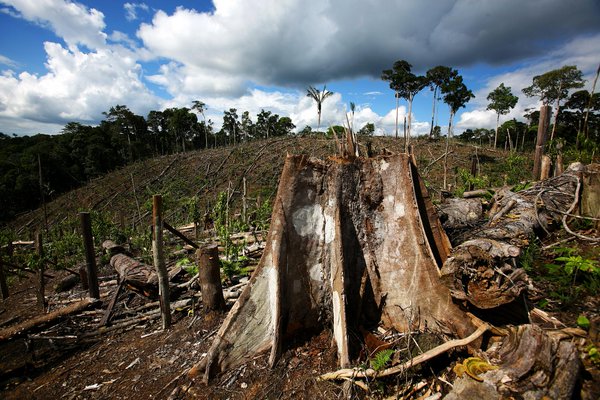
The Independent Uganda reported on July 28, 2026, as World Nature Conservation Day was being marked, that Uganda’s Environmental Conservation Trust (ECOTRUST) is using the occasion to reflect on 27 years of conservation work and community-based environmental financing. The article frames the anniversary against Uganda’s continuing forest loss, citing a 23% reduction in tree cover between 2000 and 2020, driven largely by agricultural expansion, logging and fossil fuel extraction.
According to The Independent, ECOTRUST has since 1999 promoted models intended to make conservation economically useful to local people. Its Trees for Global Benefits initiative, launched in 2003, links smallholder farmers to voluntary carbon markets, encouraging native tree planting, soil restoration and income generation. The organisation says the programme has reached more than 54,000 households across major ecological landscapes.
The report also highlights ECOTRUST’s newer Bio-credits programme in the Northern Albertine Rift, where forest fragmentation is affecting wildlife movement, including that of endangered eastern chimpanzees. The pilot targets about 2,000 hectares, including a 1,228-hectare corridor between Bugoma and Wambabya forests and degraded community lands between Budongo, Kasongoire and Mukhihani, with the aim of restoring forest pathways and creating community reserves.
The Independent presents ECOTRUST’s work as part of a broader response to conservation and climate pressures, combining biodiversity credits, partnerships, tree planting and livelihood activities such as beekeeping, livestock farming and shea nut oil production. The report’s central significance is that it links nature protection with local income, arguing that conservation efforts are more likely to endure when communities benefit directly.
Loading debate for this article…
Other publishers covering this story
No additional verified coverage is currently clustered with this report.
Related reporting
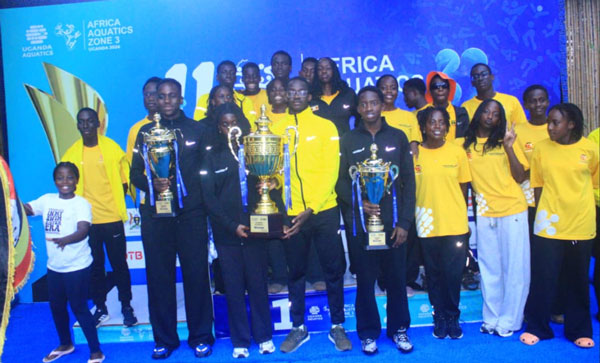 Uganda sweeps Africa Aquatics Zone 3 swimming championshipThe Independent Uganda
 Patio Bella expands Kampala footprint with new Lugogo and Bukoto outletsNile Post
 Halal Director Hosts City Abattoir LeadersWatchdog Uganda
 Kampala: Suspected Phone Robber Shot Dead After Attacking Police OfficerWatchdog Uganda
 Africa: Qatar Airways Partners With Chef Dieuveil Malonga to Take African Cuisine to the WorldAllAfrica
East Africa: East Africa Has the Raw Materials but Lacks the FactoriesAllAfrica
Africa: Qatar Airways Partners With Chef Dieuveil Malonga to Take African Cuisine to the WorldAllAfrica
East Africa: East Africa Has the Raw Materials but Lacks the FactoriesAllAfrica