
Africa: Leaders' Medical Secrecy Harms Public Trust
What the report says
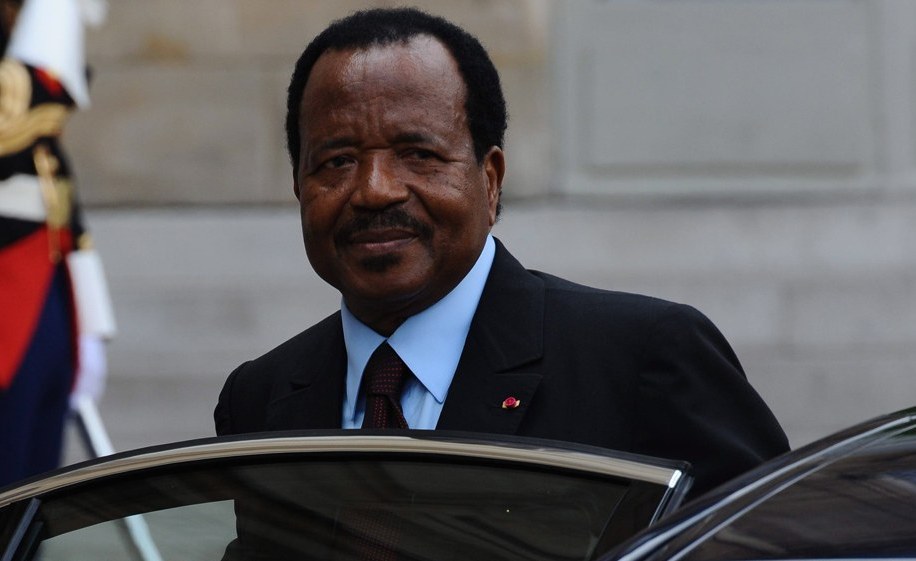
In a commentary distributed by AllAfrica from the Council on Foreign Relations, Michelle Gavin argues that prolonged secrecy around leaders’ health can weaken public trust and raise doubts about who is actually exercising power. The piece uses Cameroon as a current example, noting that President Paul Biya, who is 93, has been away in Switzerland for more than two months while rumors circulate about his condition and about possible succession questions. The article says the country’s vice-presidency remains vacant and that only Biya can appoint someone to that post, leaving uncertainty over how any transition would be managed.
The commentary says such situations can create political and economic risks, including uncertainty for investors and instability that could extend beyond a country’s borders. It also draws broader lessons for other African states and for the United States, where aging leaders and unexplained absences have become more visible in public life.
As background, the piece points to earlier African examples in Gabon and Nigeria, where speculation about presidents’ health and extended medical leave fed rumors, conspiracy theories and constitutional crises. It cites Nigeria’s 2009-2010 succession turmoil after President Umaru Yar’Adua’s prolonged absence. The author’s main point is that limited privacy is understandable, but sustained opacity around incapacity or succession can undermine accountability and invite suspicion.
Loading debate for this article…
Other publishers covering this story
No additional verified coverage is currently clustered with this report.
Related reporting
 ‘Better deal’: What’s behind Trump’s rejection of Iran’s truce offer?Al Jazeera
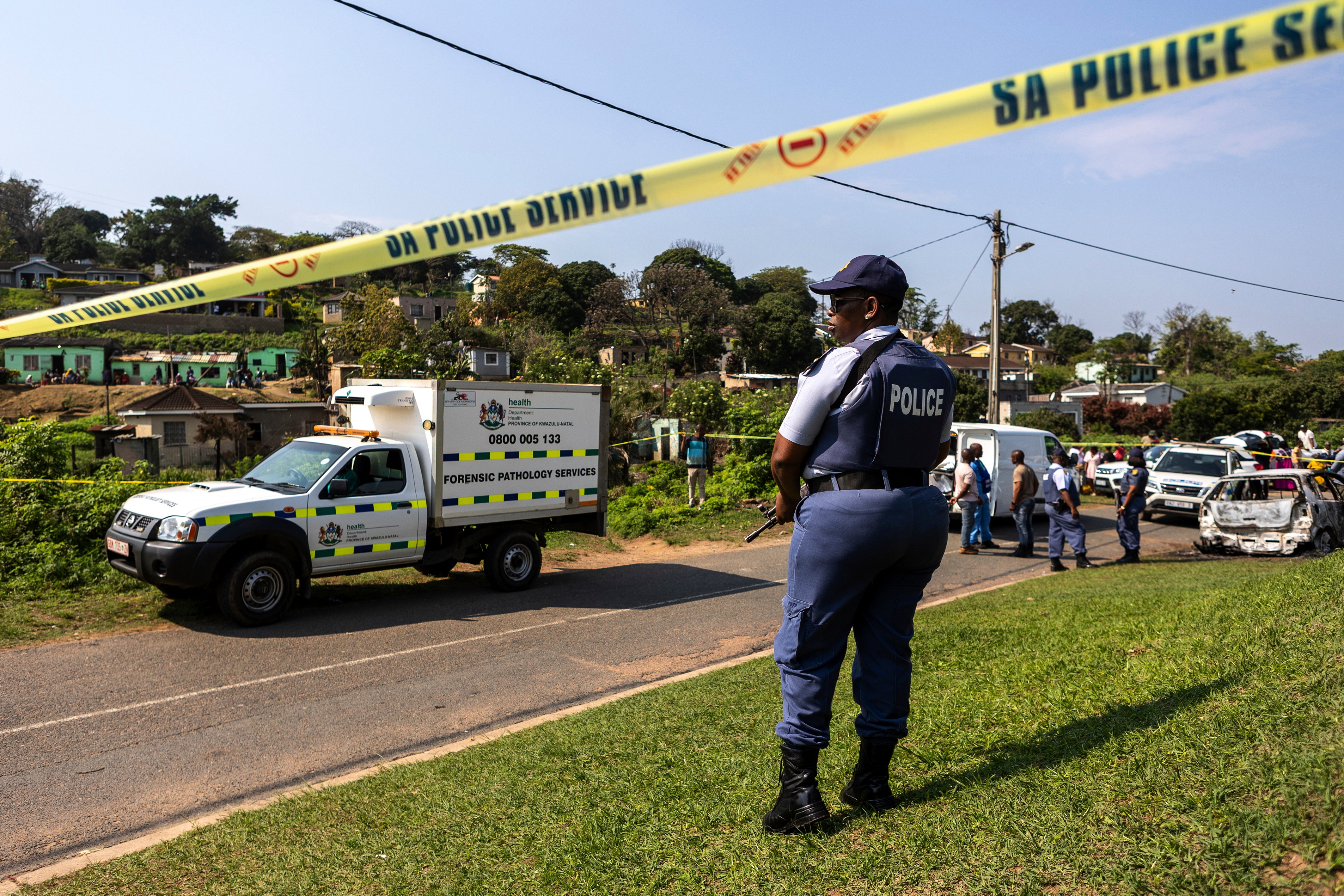 South Africa reels from spate of mass shootings that killed 38 people in a weekNPR World
 Iran Seeks U.S. Clarification After Trump Rejects Cease-Fire ProposalNew York Times World
 Swiss voters set to reject tighter neutrality rules in referendumAl Jazeera
 Ten climbers missing after avalanche hits Himalayan base campBBC World News
 Political rallies fill Brazil’s streets a week before electionsAl Jazeera