
Africa: Cotton Farmers Could Earn From Soil Carbon Credits
What the report says
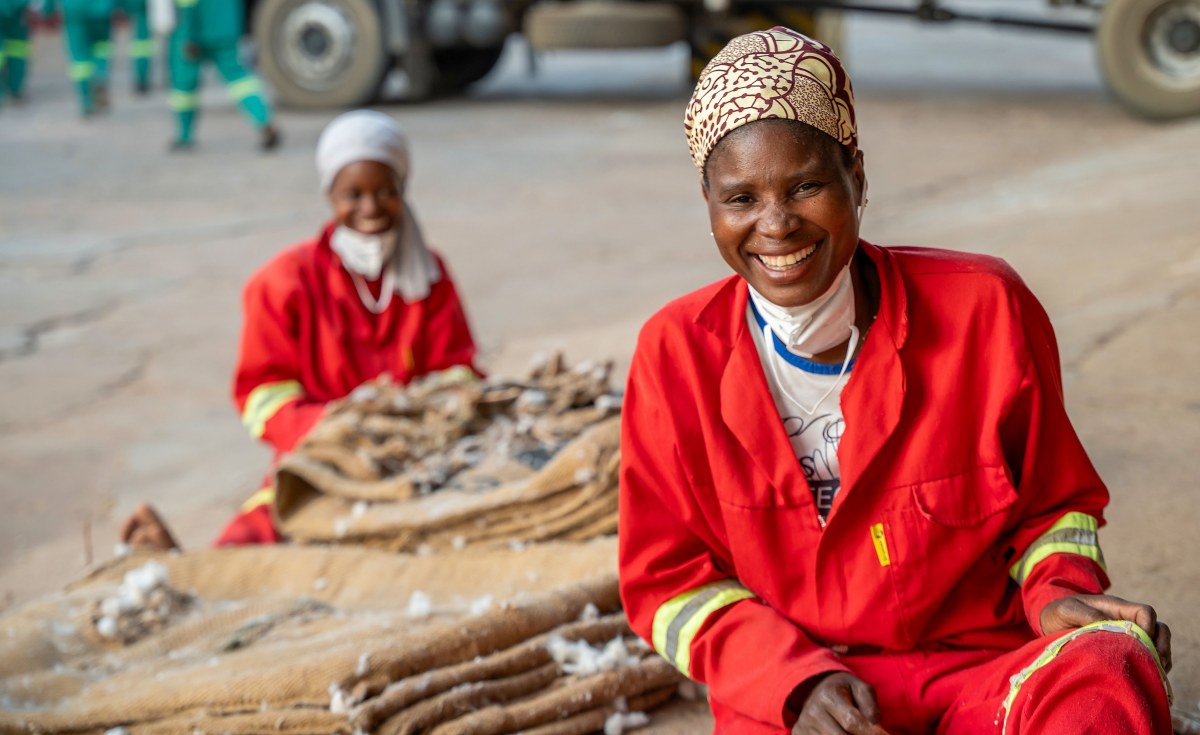
AllAfrica, publishing a Bird Story Agency report dated 30 July 2026, says the International Cotton Advisory Committee is developing a soil-carbon credit scheme that could allow cotton farmers to earn income not only from harvested fibre but also from carbon stored in their fields. The proposal, first announced by ICAC on 30 April, would reward farmers who adopt practices such as cover cropping, reduced ploughing, and applying biochar made from cotton stalks and other agricultural residues.
The report says eligible farmers could receive as much as $200 per hectare in additional income, depending on verified carbon gains and market conditions. ICAC describes the effort primarily as a soil-health and regenerative agriculture programme, with carbon finance intended to help farmers afford and sustain the changes. The committee has hired carbon market firm Merago to help monitor soil conditions, align projects with international standards, and manage certified credit sales.
A pilot approach in Uzbekistan is seen as easier to test because cotton is grown there on large, state-organised farms. Africa presents a more complex challenge: the report cites GIZ estimates that the continent accounts for about 10% to 15% of global raw cotton exports, while roughly four million households grow cotton, often on small plots. That makes measurement, verification and farmer aggregation more expensive and complicated, especially in countries such as Benin, Burkina Faso, Mali and Côte d'Ivoire.
The article also notes wider concerns about credibility in carbon markets, after earlier forest-credit projects faced scrutiny over whether claimed emissions reductions were real. ICAC has not set a timetable for issuing credits, saying removals must first be documented, verified and certified. If workable, the model could be significant for African smallholders, particularly where depleted cotton soils have room to rebuild carbon and fertility.
Loading debate for this article…
Other publishers covering this story
No additional verified coverage is currently clustered with this report.
Related reporting
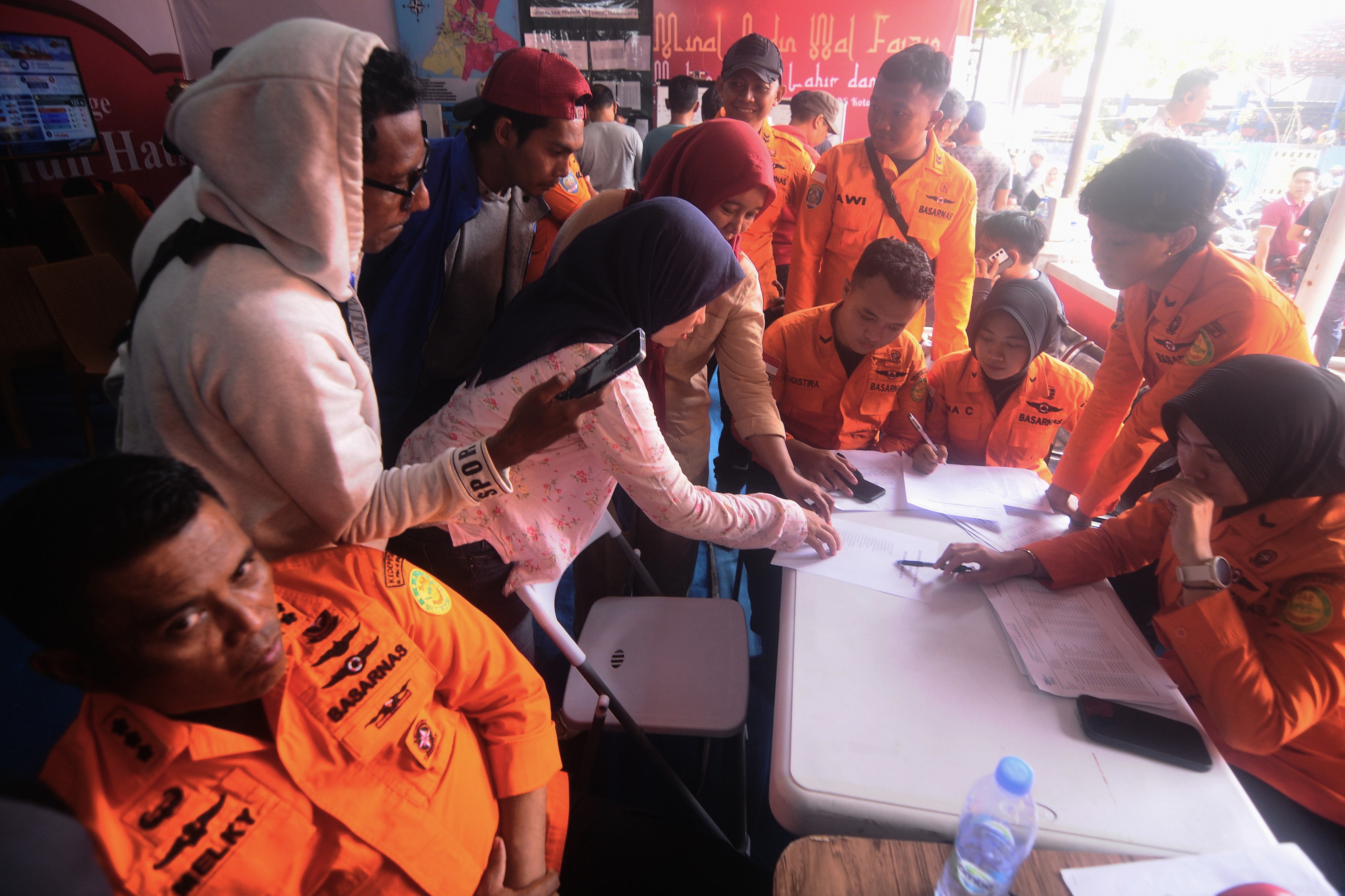 Indonesian passenger ship overturns, sparking search for about 130 missingNPR World
 Israeli attack on Gaza kills two PalestiniansAl Jazeera
 A kingdom within a republic: Inside Uganda’s BugandaAl Jazeera
 How Iran’s Hard-liners Blew Up the Peace Deal with TrumpNew York Times World
 Trump’s Canadian Tariffs Tear at Bond Between Twins Towns in Ontario and MichiganNew York Times World
 How One Man’s Quest for a Musketeer’s Bones Got Him Locked UpNew York Times World