A Rare and Deadly Cancer May Have an Unexpected New Vulnerability - SciTechDaily
What the report says
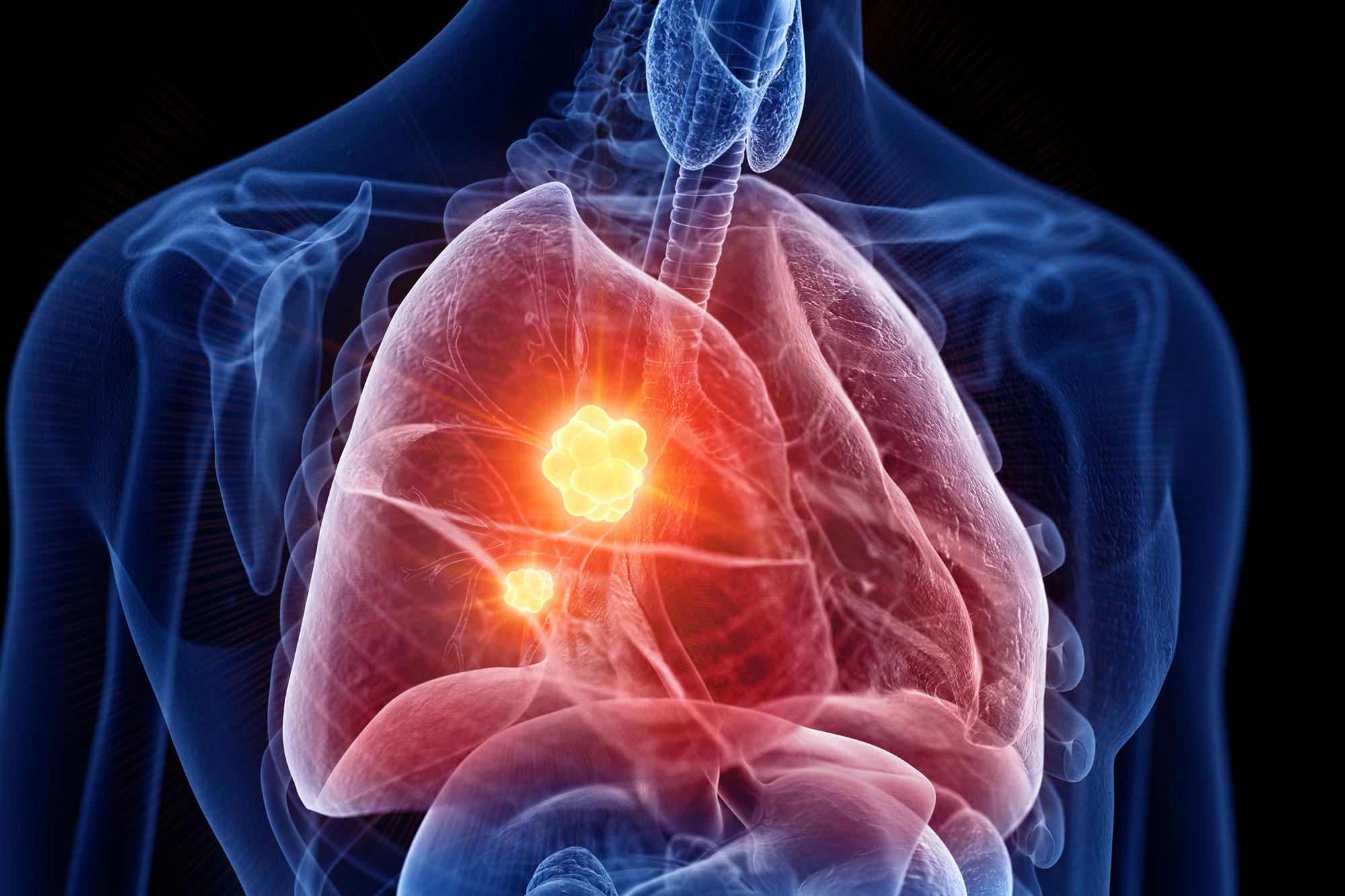
SciTechDaily reported that University of Vermont researchers and collaborators have identified a potential vulnerability in mesothelioma, a rare and aggressive cancer most often linked to asbestos exposure. The work, published in Nature Communications, focuses on disrupting cancer cells’ energy-related defenses rather than supplementing antioxidants, an approach that earlier cancer research often explored with limited success.
The strategy targets PRX3, an antioxidant enzyme inside mitochondria that helps tumor cells survive the damaging reactive oxygen species produced by their accelerated metabolism. According to the report, RS Oncology developed an experimental treatment, RSO-021, based on thiostrepton, a naturally occurring antibiotic that can inhibit PRX3. Laboratory and animal findings cited by SciTechDaily suggested that removing or blocking PRX3 impaired mesothelioma cell growth and tumor formation.
In a phase one trial in the United Kingdom, patients with relapsed mesothelioma received RSO-021 directly into the chest through a catheter. SciTechDaily reported disease control in 67% of participants, with some tumor shrinkage, and said the treatment was generally well tolerated. At a 90-milligram dose, the study met safety and tolerability goals, with no deaths attributed to the drug. The report said 15 participants had an average progression-free period of 4.2 months, while overall survival appeared better than typically expected with current options.
The findings matter because mesothelioma has few effective treatments and poor long-term survival. SciTechDaily said a phase two trial has been completed, with results expected at an oncology meeting later this year. Researchers are also exploring improved PRX3 inhibitors and possible use in other cancers, though those applications remain investigational.
Loading debate for this article…
Other publishers covering this story
No additional verified coverage is currently clustered with this report.
Related reporting
 Nation Media Group Uganda Resumes OperationsSoftPower News
 256 Express guide: one platform for travel, delivery, cargo, stays and food discovery in Uganda256 Express
 Can Botswana’s EV Ambitions spark a new manufacturing economy?The Independent Uganda
 Microsoft touts cost-saving AI model for cybersecurity - CNBCCNBC
 Samsung Galaxy S27 Pro and S27 Ultra battery capacities leak - GSMArena.com news - GSMArena.comGSMArena.com
 Update: Xbox Online Services Fully Restored After Hours-Long Outage - Game InformerGameinformer.com