
Zimbabwe: MP Says Learners, Teachers Stranded in Rural Kariba Ahead of Schools Reopening
What the report says
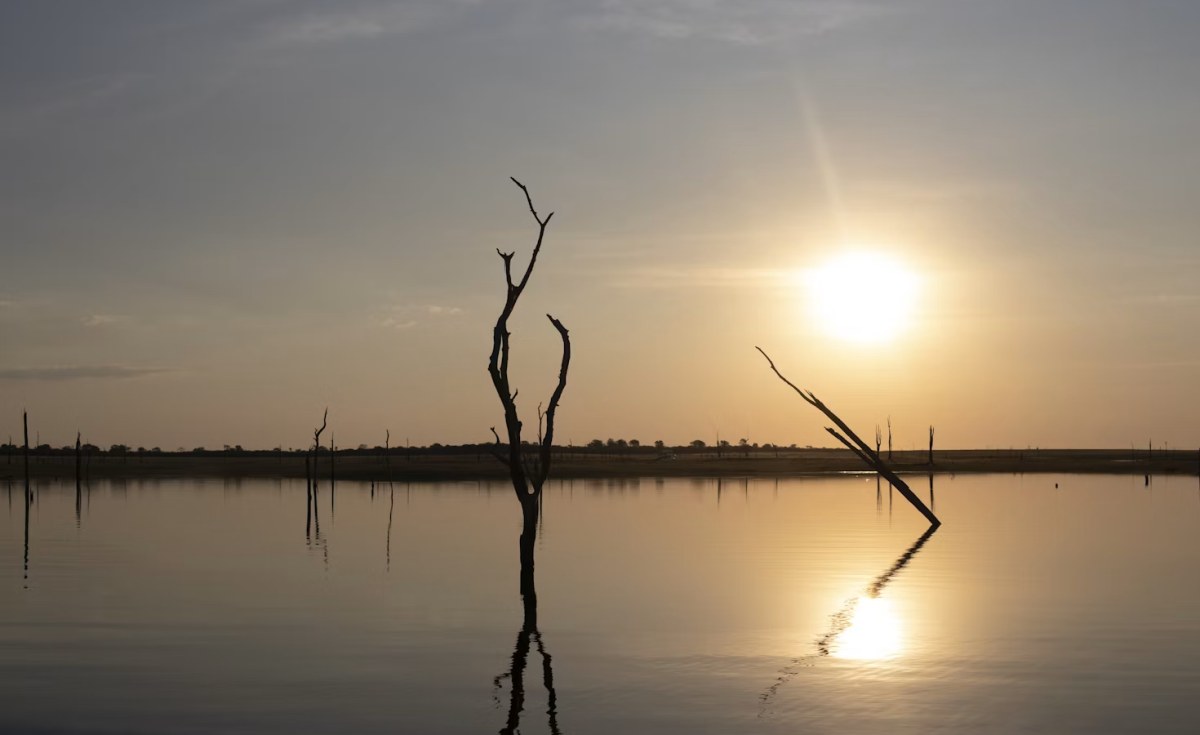
Learners and teachers in Nyaminyami, a rural area of Kariba in Zimbabwe’s Mashonaland West province, are reported to be stranded just before schools reopen on 8 September 2026. The New Zimbabwe article distributed by AllAfrica says the disruption follows the sinking of the government-owned Mbuya Nehanda ferry on Lake Kariba last month, which had been the cheapest link between Kariba urban and communities such as Mola and Chalala.
With ferry access cut off, affected families now face a costly road detour via the Karoi-Siakobvu-Mola route. The report says many pupils and teachers had traveled to Mola for the holidays and cannot afford the alternative transport, leaving them unable to return in time for the start of term. Parents quoted in the piece argue that rural communities are being neglected and that the loss of the ferry has made safe school travel difficult.
Citizen Coalition for Change MP Mutsa Murombedzi is reported to have urged the government to provide an emergency shuttle for returning learners and teachers and to improve the Karoi-Binga road so more transport operators can use it safely. The article also notes that authorities had previously rejected a private operator’s proposal on safety grounds. Separately, presidential spokesperson George Charamba said President Emmerson Mnangagwa had ordered the government to seek boats and ferries for inland waterways, especially Kariba, and that a two-stage probe is under way. The piece says the timeline for relief remains unclear.
Loading debate for this article…
Other publishers covering this story
No additional verified coverage is currently clustered with this report.
Related reporting
 Meta strikes deal to stop Mark Zuckerberg leaving California over billionaire taxBBC World News
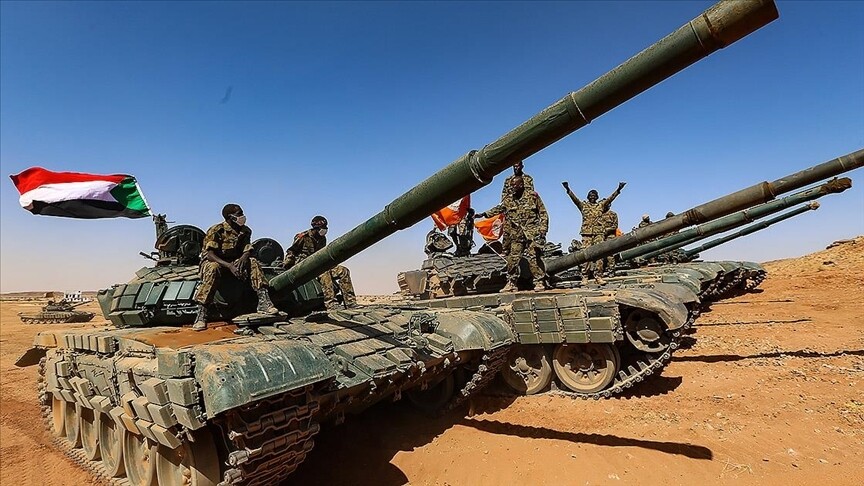 Sudanese army retakes 2 strategic areas in Blue Nile state, downs droneAnadolu Agency Africa
 Crowd of 50 beats foreigner to death in South AfricaBBC Africa
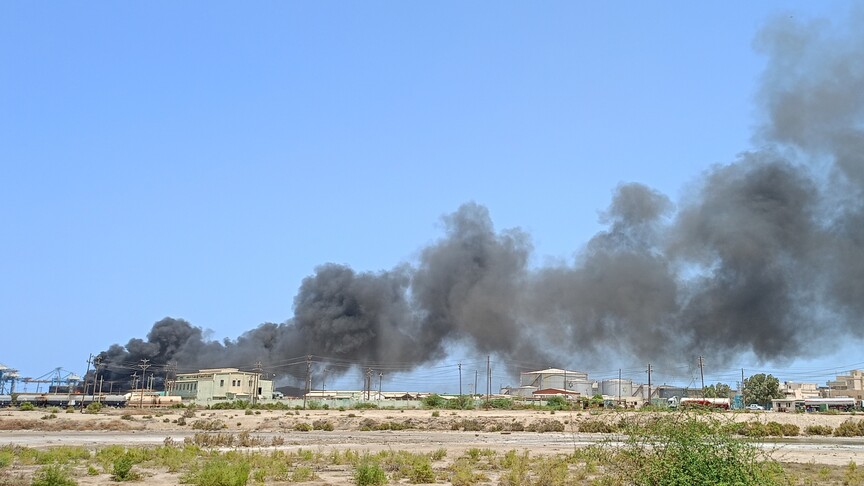 Red Cross warns aerial attacks in Sudan cause rise in civilian harmAnadolu Agency Africa
 In the Wake of Riots, French Authorities Ban Some ProtestsNew York Times World
 Ebola Outbreak in Africa Reaches Widest Expansion EverNew York Times World