
Zimbabwe: Mnangagwa's Daughter-in-Law Tells Court Fake ID Could Be AI-Made As Bail Proceedings Drag On

What the report says
Kelsea Tafirenyika, the daughter-in-law of Zimbabwean President Emmerson Mnangagwa, will remain in custody over the weekend while a magistrate considers her bail application, according to the report carried by AllAfrica from New Zimbabwe. The case is being heard before Magistrate Francis Mapfumo, with Tafirenyika represented by a team of lawyers including Admire Rubaya, Everson Chatambudza, Malvern Mapako and Kangai.
Her defense raised a new argument over an identity document allegedly found in the name of Gertrude Baeza, suggesting it may have been created with artificial intelligence. That document has led to a separate charge under Zimbabwe’s Civil Registry Act. The state opposed bail, with investigating officer Gift Machipisa arguing that Tafirenyika is a flight risk because of assets he said are held outside Zimbabwe.
The report said police allege she acquired properties worth about US$9 million using proceeds from supposed drug activity, accusations she denies. In her bail submissions, Tafirenyika said the properties cited by investigators were gifts from her husband, Collins Takunda Mnangagwa, and claimed her arrest was being influenced by people opposed to the First Family. The hearing is part of a wider case that also includes money-laundering allegations, after she was re-arrested shortly after being released on remand.
Loading debate for this article…
Other publishers covering this story
No additional verified coverage is currently clustered with this report.
Related reporting
 After Lockdown, Sea of Protesters Flows Through India’s CapitalNew York Times World
 UK PM Andy Burnham vows to renegotiate post-Brexit trade deal with EUAl Jazeera
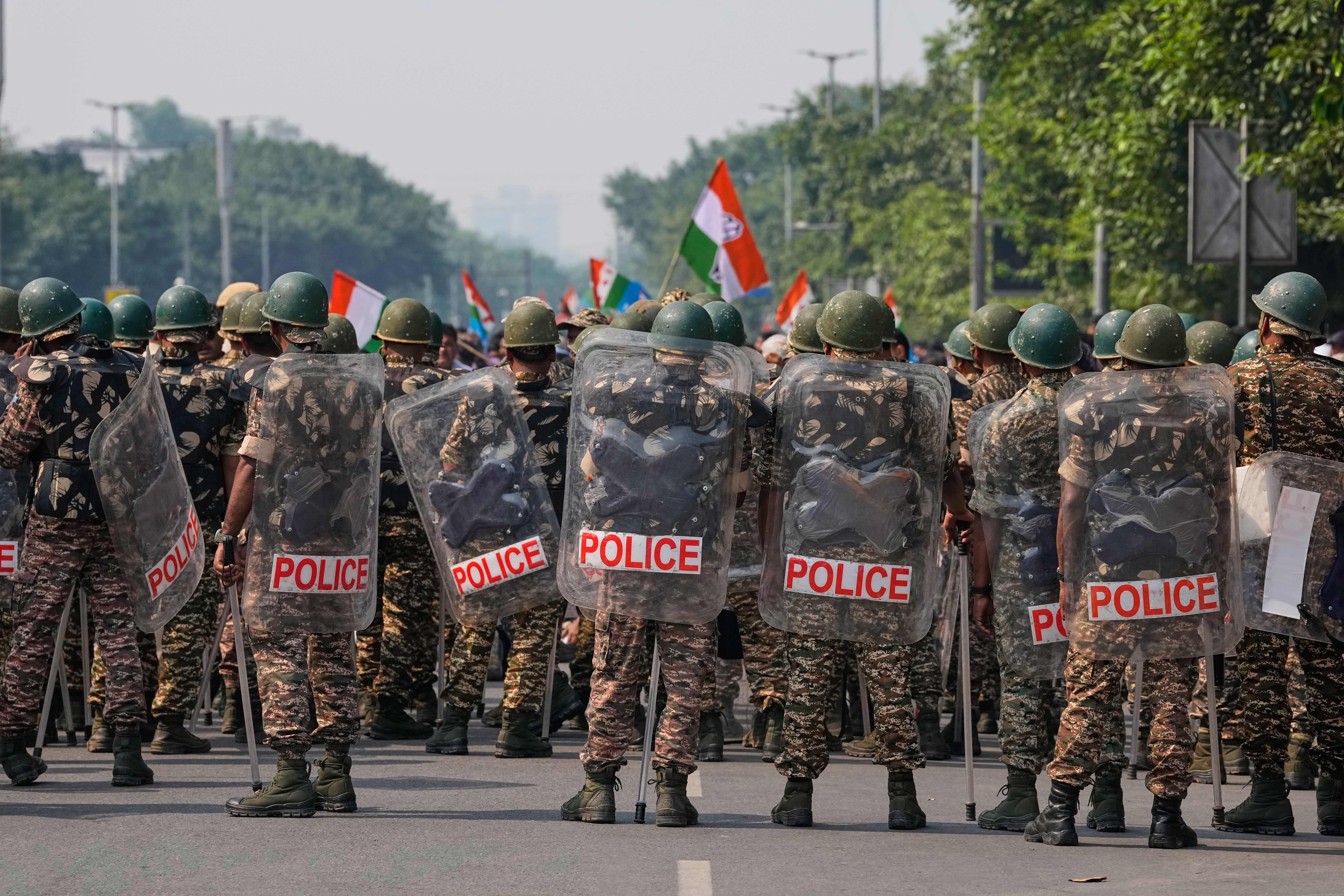 India's opposition parties march to top court as protests over voter lists escalateNPR World
 Watch: What could Trump's energy ceasefire mean for Ukraine?BBC World News
 France school shooting: Police detain pupil after two injuredAl Jazeera
 The ICJ’s Rohingya ruling will test the OIC’s promisesAl Jazeera