
Zimbabwe: Kariba Ferry Disaster Becomes Zimbabwe's Deadliest With 92 Confirmed
What the report says
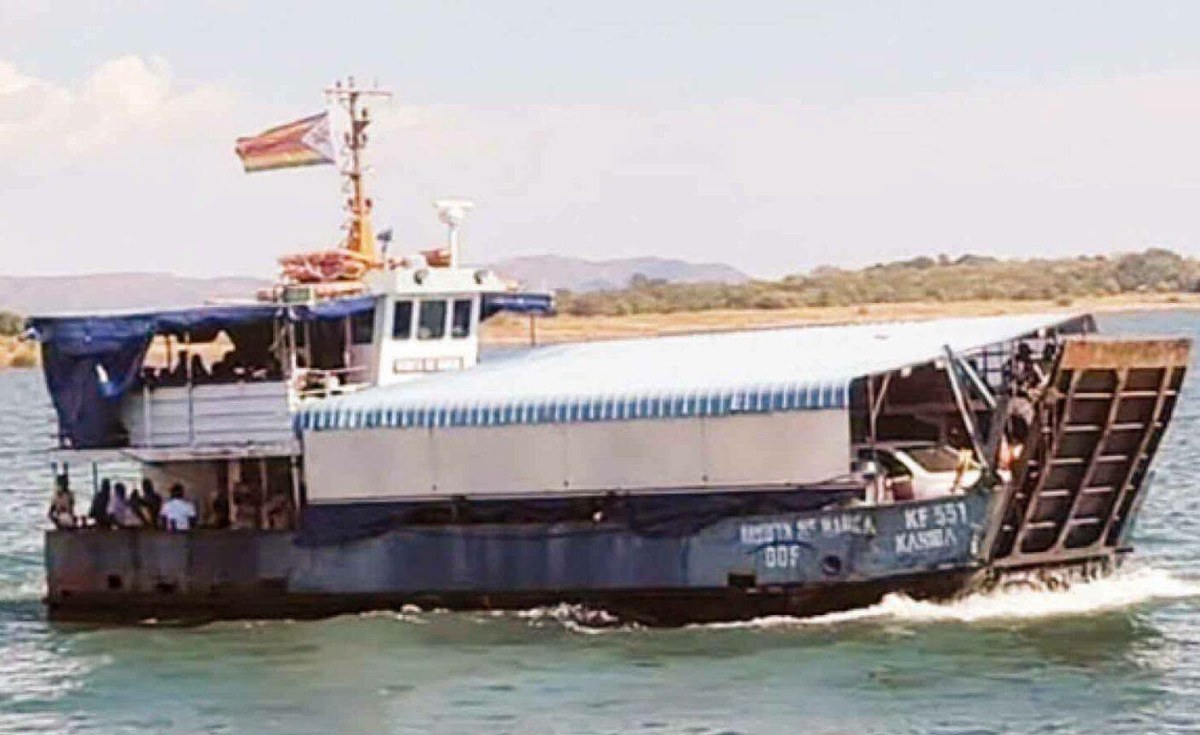
Zimbabwe’s Kariba ferry disaster has become the country’s deadliest transport tragedy, with the confirmed death toll rising to 92, according to reporting from The Herald distributed by AllAfrica. The update, published on 18 August 2026, said divers recovered eight more bodies as search and recovery efforts continued on Lake Kariba and nearby areas.
Authorities said some remains were being found farther from the crash site, including around Long Island and King’s Camp, with bodies drifting toward the Zambian border. Mashonaland West Provincial Affairs and Devolution Minister Marian Chombo said six bodies had not yet been identified and urged relatives to come forward. She also noted that decomposition was making identification harder and that DNA testing might be needed in some cases.
The report said about 67 people had been rescued, and the ferry’s passenger count was estimated at 168, though officials suggested the total could rise because some travelers, especially traders, may not have been listed by family members. The vessel was used by people traveling home for school holidays, traders heading to fishing camps, and buyers transporting fish for resale, reflecting its role as a low-cost link for communities along the Kariba-Chalala route.
The tragedy has now surpassed the 1991 Nyanga bus disaster, which killed 89 people, and has prompted concern for families still waiting to identify loved ones. In general terms, large recovery operations after water accidents can take days or longer, especially when remains are dispersed by currents and conditions are difficult.
Loading debate for this article…
Other publishers covering this story
No additional verified coverage is currently clustered with this report.
Related reporting
 I opened cockpit door of plane while being attacked, Indian pilot tells ModiBBC World News
 Africa: All of Africa Today - October 2, 2026AllAfrica
 Miami judge rules federal noncitizen voting law violates US ConstitutionAl Jazeera
 Greece pushes EU to suspend asylum during mass migration surgesAl Jazeera
 Election debate cancelled in Brazil, bomb scare outside Supreme CourtAl Jazeera
 Asian Games 2026: Taiwan’s gender-row boxer Lin Yu-ting wins gold medalAl Jazeera