
World's first transmissible cancer in a freshwater fish discovered: What scientists know about this rare - The Times of India
What the report says
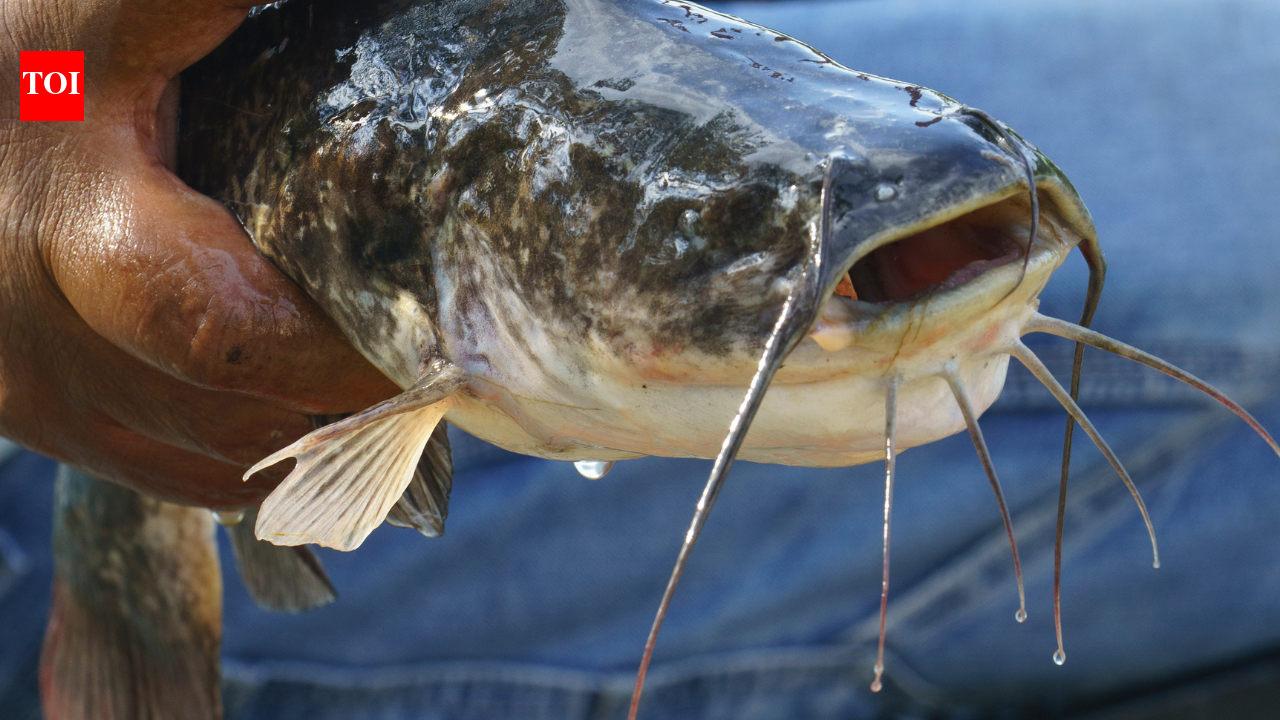
The Times of India reported that a study published in Nature has identified a rare transmissible melanoma in brown bullhead catfish from Lake Memphremagog, which spans Vermont in the United States and Quebec in Canada. According to the report, researchers concluded that the tumours were not separate cancers arising in individual fish, but part of a single cancer cell lineage moving between animals. The finding is described as the first known transmissible cancer in a fish and the first documented in a freshwater ecosystem.
The evidence cited by TOI comes from genomic comparisons of tumour and healthy tissue. Tumours from different catfish reportedly shared large numbers of genetic variants that were not present in the host fish’s normal tissue, indicating that the cancer cells themselves were being passed on. Naturally occurring transmissible cancers are extremely uncommon; the article notes that similar diseases have previously been found in dogs, Tasmanian devils and several marine shellfish species.
How the disease spreads remains unresolved. The report says scientists are considering possible routes such as close contact during spawning, exposure through water, or contact with lake sediment, especially because brown bullheads lack protective scales and live near the bottom. These possibilities were presented as hypotheses, not confirmed pathways.
TOI reported that the melanoma was first noticed around 2012 and that about 30% of brown bullheads in the lake were affected by 2015. The long-term impact on the fish population is still unknown. The study did not find evidence that the cancer poses a risk to humans, and the article frames the discovery as important for wildlife conservation and for understanding how cancer cells can evolve and evade immune defences.
Loading debate for this article…
Other publishers covering this story
No additional verified coverage is currently clustered with this report.
Related reporting
 Tororo Hospital Upgrade Raises Hope for Better Healthcare in BukediNile Post
 Mothers forced to share beds, sleep on floor at Bulucheke Health Centre IVThe Independent Uganda
 The overlooked realities of breast cancer in UgandaThe Independent Uganda
 Parents Urged to Vaccinate Children Against PolioNile Post
 Kilembe Hospital Targets December Readiness Ahead of 2027 Mining RestartNile Post
 REPORT: 90% of Ugandans can’t wash their hands properlyThe Independent Uganda