
Why You Wake Up Earlier As You Get Older - HuffPost

What the report says
HuffPost reports that waking earlier with age is often a normal part of the aging process rather than simply a personal habit. The article cites Cindy Lustig, a psychology professor at the University of Michigan, and Dr. Sairam Parthasarathy, director of the Center for Sleep and Circadian Sciences at the University of Arizona Health Sciences, who explain that sleep timing changes as the body and brain age.
According to HuffPost, the brain may become less effective at processing “time giver” cues that help regulate the circadian clock, including daylight, sunset, meals, activity and social routines. Parthasarathy said age-related changes in the brain and nerves can make these signals less reliable, which can lead older adults to feel sleepy earlier in the evening and wake earlier in the morning.
The report also highlights vision changes as a possible contributor. Lustig said reduced light stimulation reaching the brain can affect the circadian clock. Parthasarathy noted this can be especially relevant for people with cataracts, because less evening light entering the eyes may cause the brain to interpret sunset as happening earlier, prompting earlier melatonin release. HuffPost cites the National Institutes of Health for the context that cataracts affect more than half of Americans age 80 and older.
For people who want to shift their schedule later, HuffPost says experts suggest using bright light in the early evening, including outdoor light before sunset or bright indoor screens or lamps, while keeping lights on after sunset. The article also says avoiding alcohol before bed, exercising and getting morning sunlight may support better sleep quality and circadian rhythm alignment.
Loading debate for this article…
Other publishers covering this story
Related reporting
 Mothers forced to share beds, sleep on floor at Bulucheke Health Centre IVThe Independent Uganda
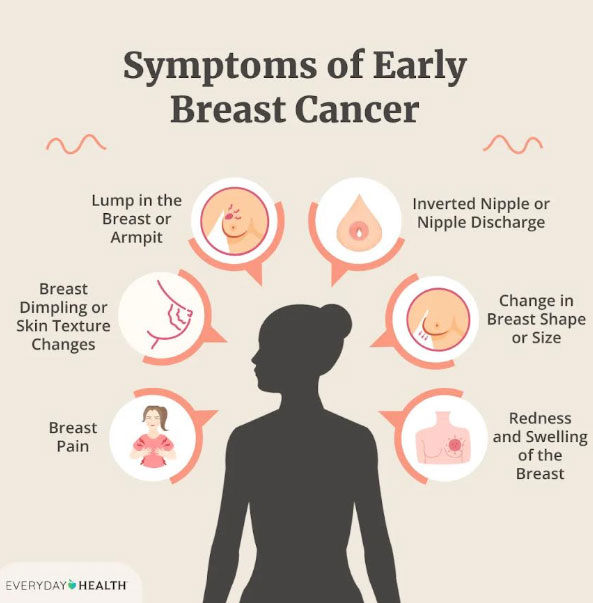 The overlooked realities of breast cancer in UgandaThe Independent Uganda
 Parents Urged to Vaccinate Children Against PolioNile Post
 Kilembe Hospital Targets December Readiness Ahead of 2027 Mining RestartNile Post
 REPORT: 90% of Ugandans can’t wash their hands properlyThe Independent Uganda
 Ebola: Health workers must maintain high index of suspicion, experts declareThe Punch