
Why is Britain refusing to pay slavery reparations?

What the report says
Al Jazeera’s report examines the long-running debate over whether Britain should pay reparations for its role in slavery and colonial exploitation. The piece centers on the argument that, when slavery was abolished, the British state compensated enslavers rather than the people they had enslaved, a historical choice that continues to shape calls for repair today. The article frames the issue as both moral and political: whether an apology alone can address harms that were structural, economic and intergenerational.
The discussion comes amid renewed public attention to Britain’s colonial legacy and pressure from campaigners, descendants of enslaved people and some historians who argue that symbolic acknowledgment is not enough. According to the publisher, the question is not only about past wrongdoing but also about what responsibility a modern government has for the lasting effects of slavery, including wealth disparities and institutional inequality.
Al Jazeera’s framing suggests that the current refusal to commit to reparations reflects a broader resistance among British officials to formal compensation claims. The report is relevant because it highlights a debate taking place in Britain and across former slave-trading powers over how nations should respond to historical injustice. While the article snippet is brief, it underscores the central controversy: whether apology, education and commemoration can substitute for financial repair and policy action.
Loading debate for this article…
Other publishers covering this story
No additional verified coverage is currently clustered with this report.
Related reporting
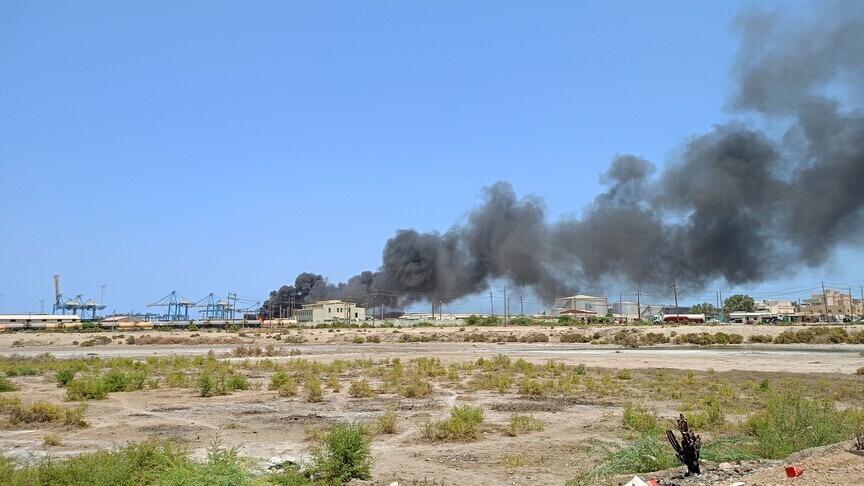 9 civilians killed in RSF drone attack in Sudan's Blue Nile state: OfficialAnadolu Agency Africa
 Three workers die at Tata’s iPhone parts plant in India’s Tamil NaduAl Jazeera
 Police officer dies and another injured after backpack explosion in OviedoBBC World News
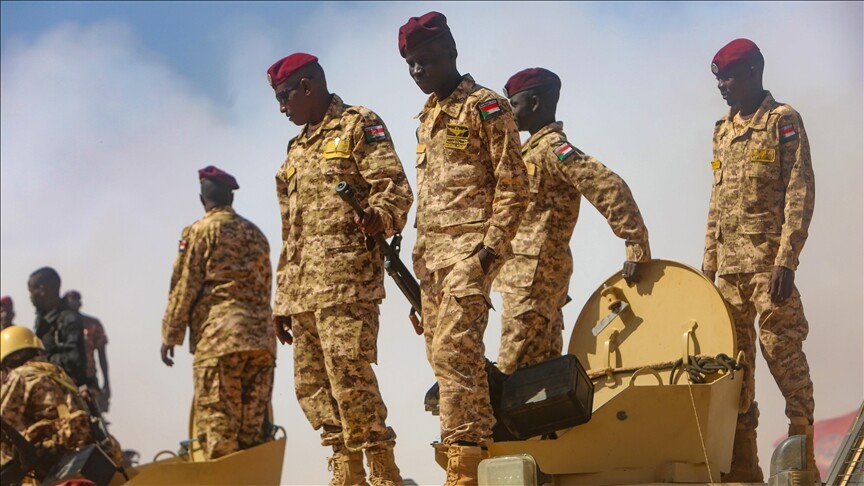 Senior RSF commander defects to Sudanese army after 13 years with paramilitary groupAnadolu Agency Africa
 Are your supplements fake?Al Jazeera
 Nigeria: 2027 Politics Watch - From INEC's 1.6m Voter-Register Clean-Up to Wike's ₦10m PledgeAllAfrica