
Why Iran-US negotiations keep failing
What the report says
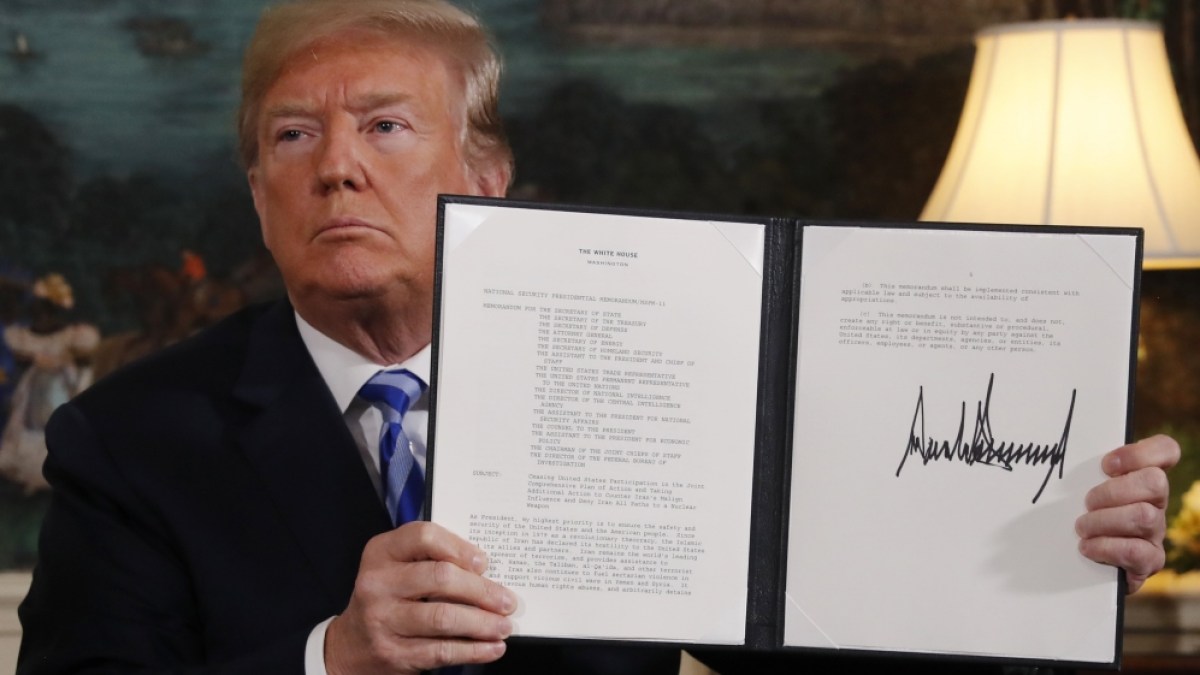
Al Jazeera’s Mahjoob Zweiri argues that repeated Iran-US talks have stalled less because of the wording of draft agreements than because each side approaches negotiations through a long memory of betrayal and mistrust. The article says Washington’s outlook was shaped by the 1979 seizure of the US embassy in Tehran, while Iran’s stance hardened after years of US pressure, especially after Washington left the 2018 nuclear deal and later expanded its demands beyond the nuclear issue.
The piece says several negotiation efforts have taken place since the start of the war, but only one memorandum of understanding, signed in Islamabad on June 18, was completed and it collapsed within days. Al Jazeera reports that this interim deal sought to address both sides’ core concerns, including limits on Iran’s enriched uranium stockpile, sanctions relief tied to implementation, and assurances on sovereignty and nonaggression. It also notes that ballistic missiles were left out of the text.
According to the article, the agreement failed when Tehran paused its participation in talks over the absence of a ceasefire in Lebanon. The author says that episode reinforced Iranian doubts that a US promise alone can prevent renewed conflict. Since then, the dispute has centered increasingly on sequencing: Washington wants Iranian nuclear steps first, while Tehran wants sanctions relief and security guarantees before it makes concessions. The broader significance, the article argues, is that the real obstacle is trust, not just policy details.
Loading debate for this article…
Other publishers covering this story
No additional verified coverage is currently clustered with this report.
Related reporting
 Major fire breaks out in Alberta after deadly incident at military baseNPR World
 Uganda’s Hyper Kids caught in Brazilian political storm after paid campaign videoSqoop Uganda
 WNBA Finals: Gabby Williams leads Valkyries to nervy Game 1 win over DreamAl Jazeera
 Israel’s ties with Europe are fraying. Can its election change that?Al Jazeera
 Daniel Dubois defeats Fabio Wardley to retain WBO heavyweight boxing titleAl Jazeera
 Guatemalan former prosecutor shot dead at sports centreAl Jazeera