Why Hormuz remains high risk for ships despite US claims of mine-clearing

What the report says
US President Donald Trump said on social media that the US Navy had removed or detonated all sea mines in the Strait of Hormuz and warned that any new mine-laying would be met with destruction. Iran’s deputy foreign minister, Kazem Gharibabadi, rejected that claim and said the waterway remains closed, even after Iran and Oman said they had agreed to a temporary transit route and a joint mine-clearing project.
Al Jazeera reported that analysts see the US assessment as plausible for the main shipping lanes, but not enough to make the strait fully safe. They warned that drifting or uncharted mines could still exist outside closely monitored routes, and that Iran can deploy more. The article also notes that mines are only one risk factor, with the broader threat of renewed fighting and fresh sanctions continuing to weigh on shipping decisions.
The Strait of Hormuz is one of the world’s most important energy chokepoints, carrying a large share of Gulf oil and gas exports before the conflict. Since the war began, war-risk insurance costs for vessels crossing the route have risen sharply, making many operators reluctant to return to normal traffic levels. The report says mine clearance is a difficult and costly task, and even limited uncertainty can disrupt trade because a single suspected mine can halt movement.
The piece also places the dispute in the context of regional naval activity, with the US and European forces deploying mine-countermeasure assets and underwater drones while officials continue to assess the condition of the strait.
Loading debate for this article…
Other publishers covering this story
No additional verified coverage is currently clustered with this report.
Related reporting
 Bayeux Tapestry's London tour spurs enthusiasts to Battle of Hastings reenactmentNPR World
 Real Madrid beat Villarreal 1-0 but Vinicius sent off for hair pullAl Jazeera
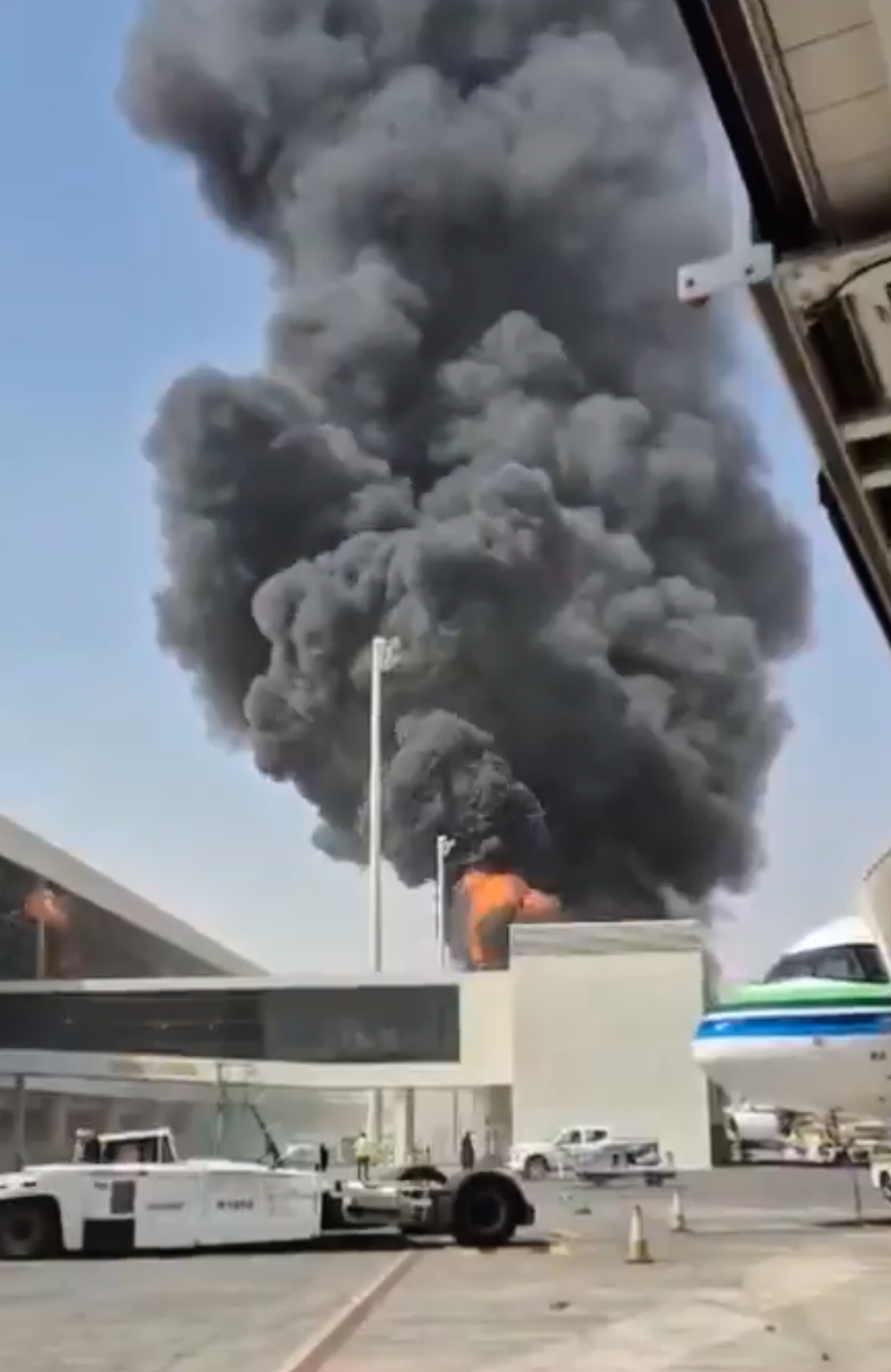 Trump weighs joining the fight against Houthis after Riyadh airport attackNPR World
Protests against voter roll revisions rock capital of world's largest democracyNPR World
Trump weighs joining the fight against Houthis after Riyadh airport attackNPR World
Protests against voter roll revisions rock capital of world's largest democracyNPR World
 Hundreds of doctors demand World Medical Association suspend IsraelAl Jazeera
 Malawi motorists queue for days as fuel shortage bitesAl Jazeera