Why Do Psychiatric Disorders Persist in Humans? - Nautilus | Science
What the report says
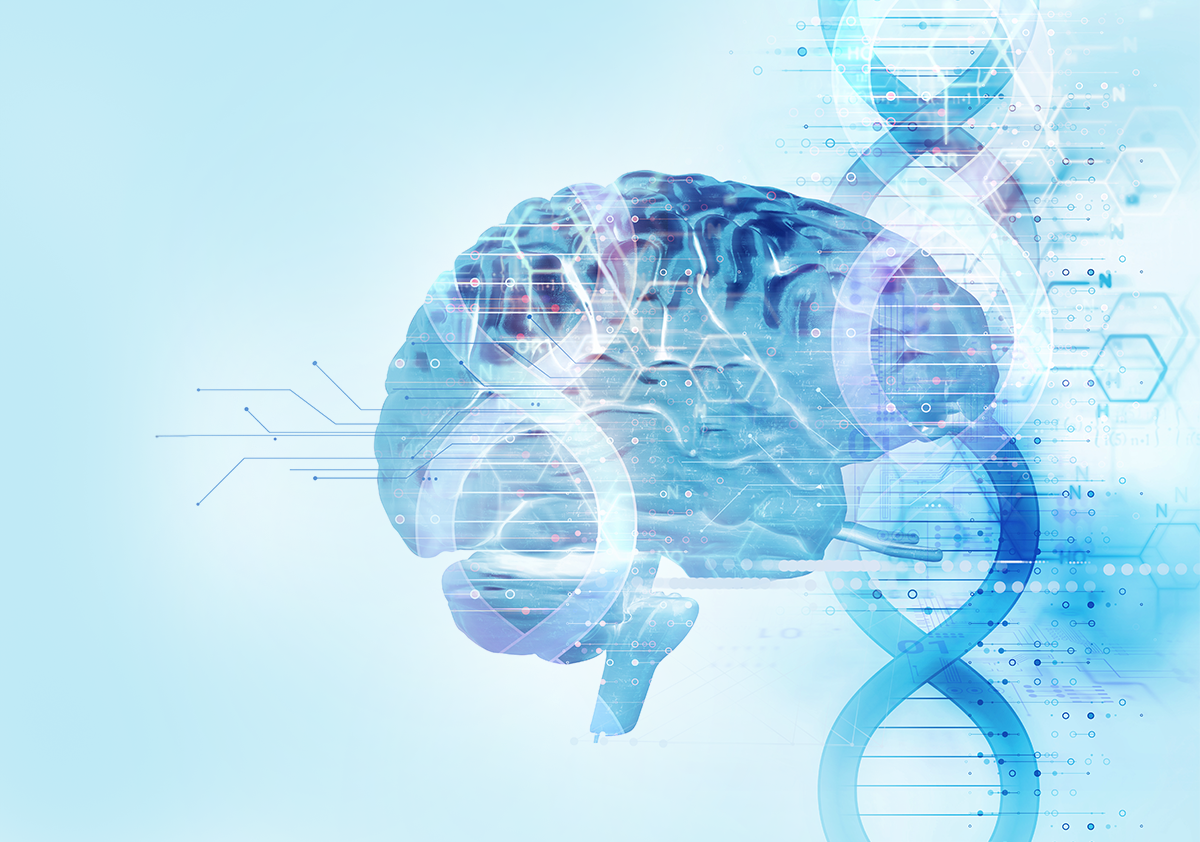
Nautilus reported on July 27 that a large Nature Communications study is revisiting a long-running question in psychiatry and evolution: why genetic variants associated with disorders such as schizophrenia, bipolar disorder, autism and ADHD remain common despite the serious difficulties these conditions can cause. The article, by Kristen French, centers on an interview with study author Diego Londoño-Correa, a psychology graduate student at the University of Texas at Austin.
According to Nautilus, the study examined genetic links in European populations between psychiatric conditions and more specific dimensions of intelligence, rather than treating intelligence as a single overall measure. The traits discussed include reaction time, fluid reasoning — such as logic and pattern-finding — and crystallized knowledge, or accumulated learning. Londoño-Correa said earlier work may have missed important differences because broad intelligence scores can obscure narrower cognitive patterns.
The reported findings are presented as a possible explanation for an evolutionary puzzle: genetic risk for some psychiatric disorders may overlap with traits that can be advantageous in certain contexts. Nautilus notes prior research suggesting people at genetic risk for schizophrenia may show deficits on standard intelligence measures while also having links to educational attainment, and that relatives of people with schizophrenia have been reported as overrepresented in creative or artistic occupations.
The article also discusses pleiotropy, the idea that one gene can influence multiple traits, as a reason evolution may not be able to separate beneficial effects from harmful ones cleanly. The findings do not mean psychiatric disorders are beneficial overall; Nautilus frames the conditions as often debilitating, while exploring how complex genetic trade-offs could help explain their persistence.
Loading debate for this article…
Other publishers covering this story
Related reporting
 Blend your way through smoothies to better health - Daily MonitorDaily Monitor
 NMS Pledges to Address Medicine Shortages, Delivery Delays in WakisoNile Post
Charcoal Grill serves up healthier dining - Daily MonitorDaily Monitor
NMS Pledges to Address Medicine Shortages, Delivery Delays in WakisoNile Post
Charcoal Grill serves up healthier dining - Daily MonitorDaily Monitor
 Blood Test Reveals The Heartbreaking Truth After Millennial Dad Keeps Finding Weird Bruises All Over His Body - Bored PandaBoredpanda.com
 Tick bite, rare bacteria found in dogs at center of Chatham County medical mystery - WRALWRAL.com
 Mum died from aggressive cancer after nine-month wait for test results - au.news.yahoo.comBBC News