
What to know about the West African economic summit seeking regional reform

What the report says
France 24 Africa reported that the 69th summit of the Economic Community of West African States, or ECOWAS, took place on July 19 in Freetown, Sierra Leone, with regional reform presented as a central theme. The report, issued July 21, said Sierra Leone’s President Julius Maada Bio, the outgoing chair of the ECOWAS Conference of Heads of State and Government, opened the discussion by urging major changes within the West African organization.
The summit also brought a leadership transition: the Senegalese head of state assumed ECOWAS’s rotating presidency. France 24 said the gathering was further shaped by sharp criticism from Guinea, which objected to sanctions the bloc has imposed in recent years. The article did not provide details on any specific reform package adopted, nor did it identify new enforcement measures or final summit resolutions.
The meeting matters because ECOWAS is a key regional body for economic coordination, political consultation and crisis response in West Africa. Based on general context beyond the brief France 24 text, the bloc has faced growing pressure over how to balance integration, democracy and security concerns with disputes about penalties on member states. The Freetown summit therefore appears to have served as both a leadership handover and a forum for renewed debate over the organization’s direction.
Loading debate for this article…
Other publishers covering this story
No additional verified coverage is currently clustered with this report.
Related reporting
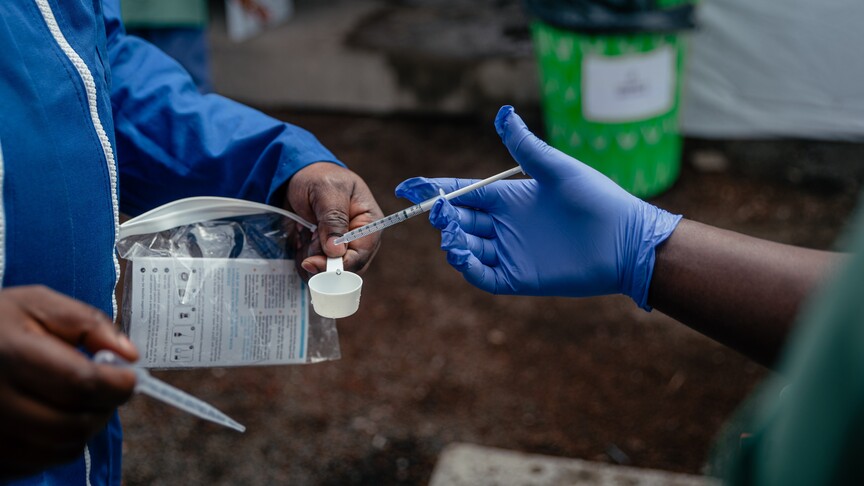 New Ebola vaccine trial launched in DR CongoAnadolu Agency Africa
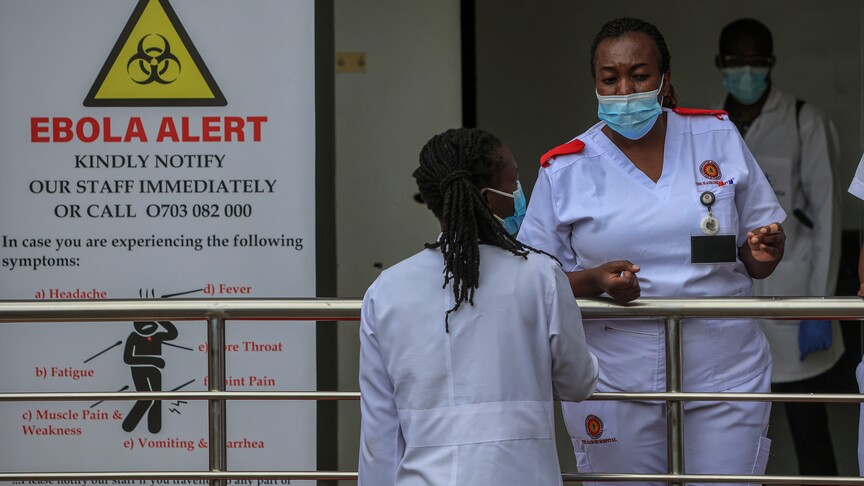 Kenya records second Ebola death, a 65-year-old womanAnadolu Agency Africa
 Argentinian judge drops fraud investigation into Milei over crypto scandalAl Jazeera
 Syrians protest Israel’s incursions near occupied Golan HeightsAl Jazeera
 WHO announces start of Ebola vaccine clinical trial in DR CongoAl Jazeera
 At least 9 killed in clashes in Ethopia, driving more than 2,000 to flee to KenyaAnadolu Agency Africa