
What is the pneumonic plague?
What the report says
NPR World says the ancient disease plague has returned to attention after the death this month of a Russian laboratory worker. The report is framed around a broader explanation of pneumonic plague, the lung-based form of the infection, and why the case has renewed interest in a disease more often associated with historical outbreaks than modern headlines.
The primary event described is the death of a lab worker in Russia, which prompted questions about whether the illness involved plague and, specifically, the pneumonic form. NPR’s piece focuses on what pneumonic plague is, how it differs from other forms of plague, and why it is considered especially concerning because it affects the lungs and can spread differently than bubonic plague.
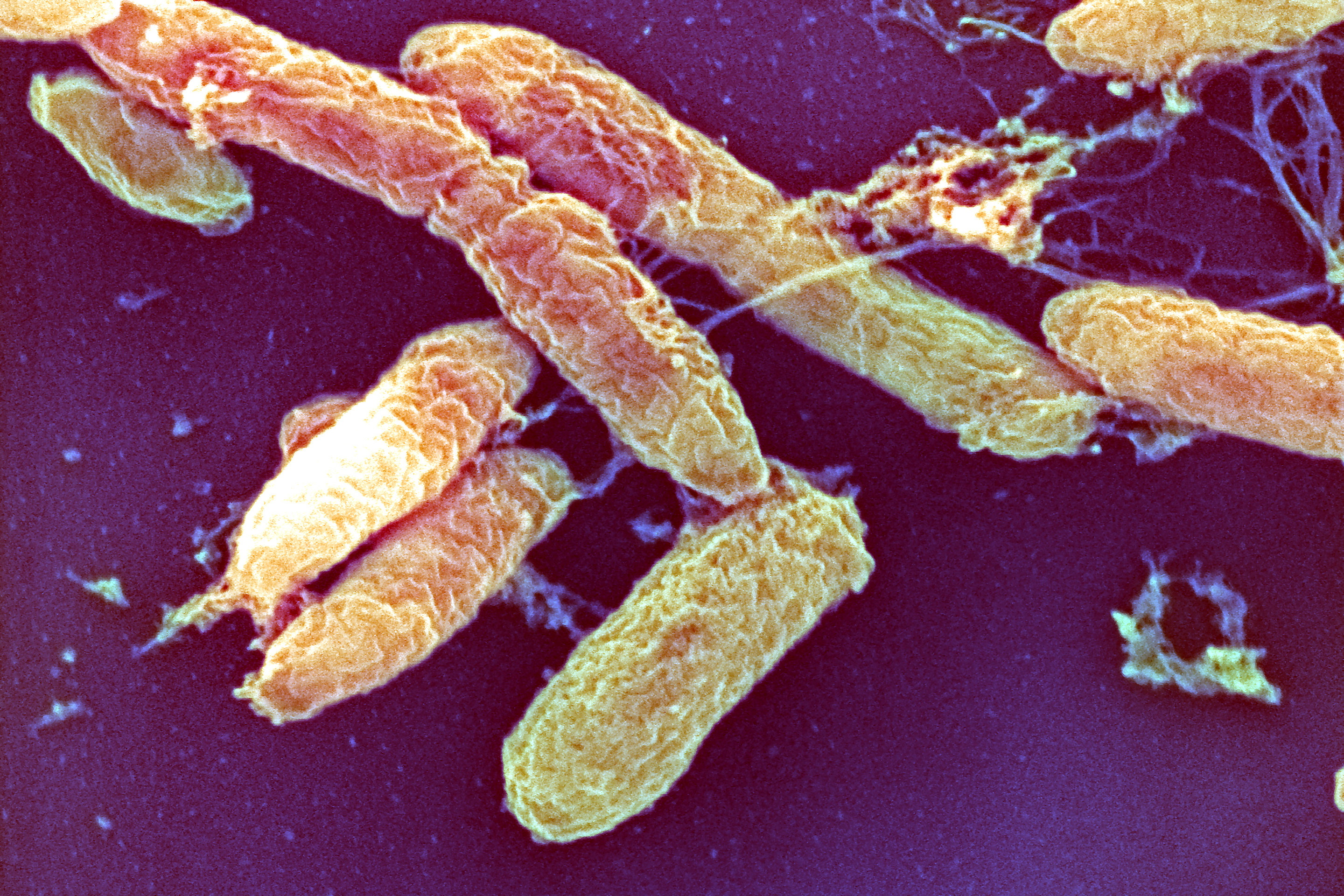
Background on plague is relevant here: plague is caused by the bacterium Yersinia pestis and has three main forms, with pneumonic plague being the rarest and most dangerous when it infects the respiratory system. Cases are uncommon in many places, but the disease still appears in some regions around the world, which is why health officials and the public pay attention when a possible case is reported.
The story matters because it links a modern laboratory death to an old but still serious infectious disease, helping readers understand why public health officials monitor suspected plague cases closely and why the term “pneumonic plague” raises immediate concern.
Loading debate for this article…
Other publishers covering this story
No additional verified coverage is currently clustered with this report.
Related reporting
 Pro-Palestine university groups march in London on October 7 anniversaryAl Jazeera
 Group of 20 graduates rescued after being abducted in NigeriaBBC Africa
 Trump on why he thinks he deserves the Nobel Peace PrizeAl Jazeera
 Africa: World Cotton Day - The Real Value of Africa's Cotton Comes After the HarvestAllAfrica
 South Africa host Australia who battle more than ‘Sandpapergate’ memoriesAl Jazeera
 Harmanpreet Kaur: The captain who changed how India’s women played cricketAl Jazeera